Plitvice Lakes in Winter: The Complete Guide to a Frozen Wonderland (2026)
There is a version of Plitvice Lakes National Park that fewer than five percent of its annual visitors ever see. It exists between November and March, when the summer crowds vanish, the boardwalks go silent, and the park undergoes one of the most dramatic seasonal transformations in all of Europe. Waterfalls that thunder with meltwater in June freeze into towering curtains of ice. The turquoise lakes steam in the sub-zero air. Snow blankets the beech forests and dusts the wooden walkways, and the only sound is the crunch of your boots and the distant rush of water still forcing its way through ice.
Winter at Plitvice is not the easy, postcard-perfect visit you see in summer travel brochures. The days are short, the temperatures are genuine, the trail access is limited, and the facilities are minimal. But for those willing to layer up, strap on ice cleats, and embrace the cold, winter Plitvice delivers something no summer visit can: total solitude in one of the most beautiful landscapes on Earth, at a fraction of the cost.
This guide covers everything you need to plan a winter visit — month-by-month weather data, which trails and facilities are open, a complete packing checklist, winter photography strategies, accommodation options, sample itineraries, and an honest assessment of whether winter Plitvice is right for you.
What's Open and Closed in Winter
Understanding what operates during the winter season is the single most important piece of planning for a November–March visit. The park remains open year-round, but the winter experience is fundamentally different from summer in terms of accessibility.
Park Opening Hours (November–March)
Winter operating hours are significantly shorter than summer:
| Period | Park Hours | Ticket Office | Last Entry |
|---|---|---|---|
| November 1–March 31 | 8:00 AM – 4:00 PM | 8:00 AM – 2:00 PM | 2:00 PM |
The ticket office closes two hours before the park gates, so if you're arriving after lunch, purchase your tickets online in advance. The park itself closes at 4:00 PM — staff will ask you to begin making your way toward the exit by 3:30 PM.
Which Entrances Are Open
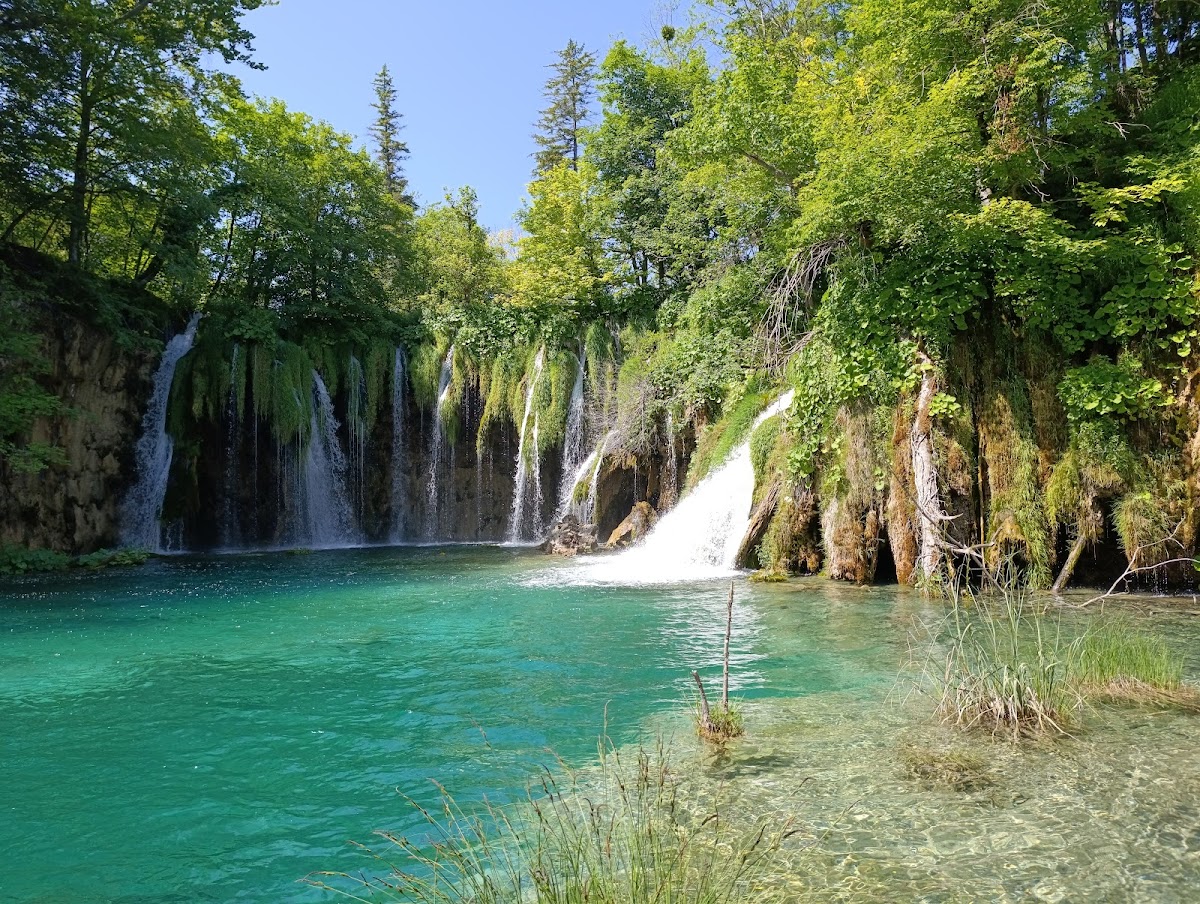
Entrance 1 is the primary winter entrance and is always open during operating hours. It provides direct access to the Lower Lakes circuit, Veliki Slap (the Great Waterfall), and the core winter experience.
Entrance 2 may be open on some winter days depending on staffing and conditions, but it is not guaranteed. Plan your visit around Entrance 1 — if you're driving, park in the Entrance 1 car park and work from there. Winter parking at Entrance 1 is free from December 1 through March 14, which is another small perk of the off-season.
Which Routes Are Accessible
The park's trail system is divided into the Upper Lakes (Gornja jezera) and Lower Lakes (Donja jezera), connected by Lake Kozjak.
Open in winter:
- Lower Lakes circuit (Routes A and B): The core Plitvice experience — boardwalks winding along the cascading lower lakes, the canyon viewpoints, and Veliki Slap. Park staff maintain these paths, clearing snow and applying grit when needed. This circuit takes 1.5–3 hours depending on your pace and photography stops.
- Veliki Slap viewpoint and approach: The 78-meter Great Waterfall is accessible year-round and is arguably more impressive in winter with its ice framing.
- Select elevated viewpoints: Key overlooks above the Lower Lakes canyon are usually kept open.
Closed in winter (typically November through mid-March):
- Upper Lakes boardwalks: The narrow elevated boardwalks through the Upper Lakes become dangerously icy and snow-covered. Access is restricted for safety reasons.
- Several forest trails: Some of the longer hiking routes through the surrounding forest are closed due to snow accumulation.
Important: Trail availability changes daily based on weather conditions. Always check the official park website or call the visitor center on the morning of your visit before driving out.
Boat and Train Operations
The electric boat service across Lake Kozjak is generally suspended from November through mid-April when conditions make the crossing impractical. However, on some milder winter days — particularly in November and late March — a limited boat service may operate on a reduced schedule. Do not plan your visit around the boat being available in winter.
The panoramic train (shuttle between Entrance 1 and Entrance 2) may run on a reduced schedule depending on weather and ground conditions. When it does operate in winter, departures are approximately every 30–60 minutes rather than the continuous summer service.
Facilities Available
Winter facilities are minimal compared to summer:
- Visitor center at Entrance 1: Open during park hours. Sells tickets, provides maps, and has basic information.
- Toilets: Available at Entrance 1 and at a few points along the Lower Lakes circuit.
- Cafés and restaurants: Most facilities inside the park close for winter. A small café or kiosk near Entrance 1 may operate on limited hours, but do not count on it. Bring your own food and hot drinks.
- Souvenir shops: Mostly closed.
The bottom line: treat a winter visit as a self-sufficient outing. Bring everything you need — food, water, hot drinks in a thermos — and don't expect to buy anything once you're inside the park.
Winter Magic: What to Expect
Winter at Plitvice is not a diminished version of the summer experience — it's a completely different one. The park reveals textures, colors, and atmospheres that are invisible the rest of the year. Here's what makes the cold months special.
Frozen Waterfalls and Ice Formations
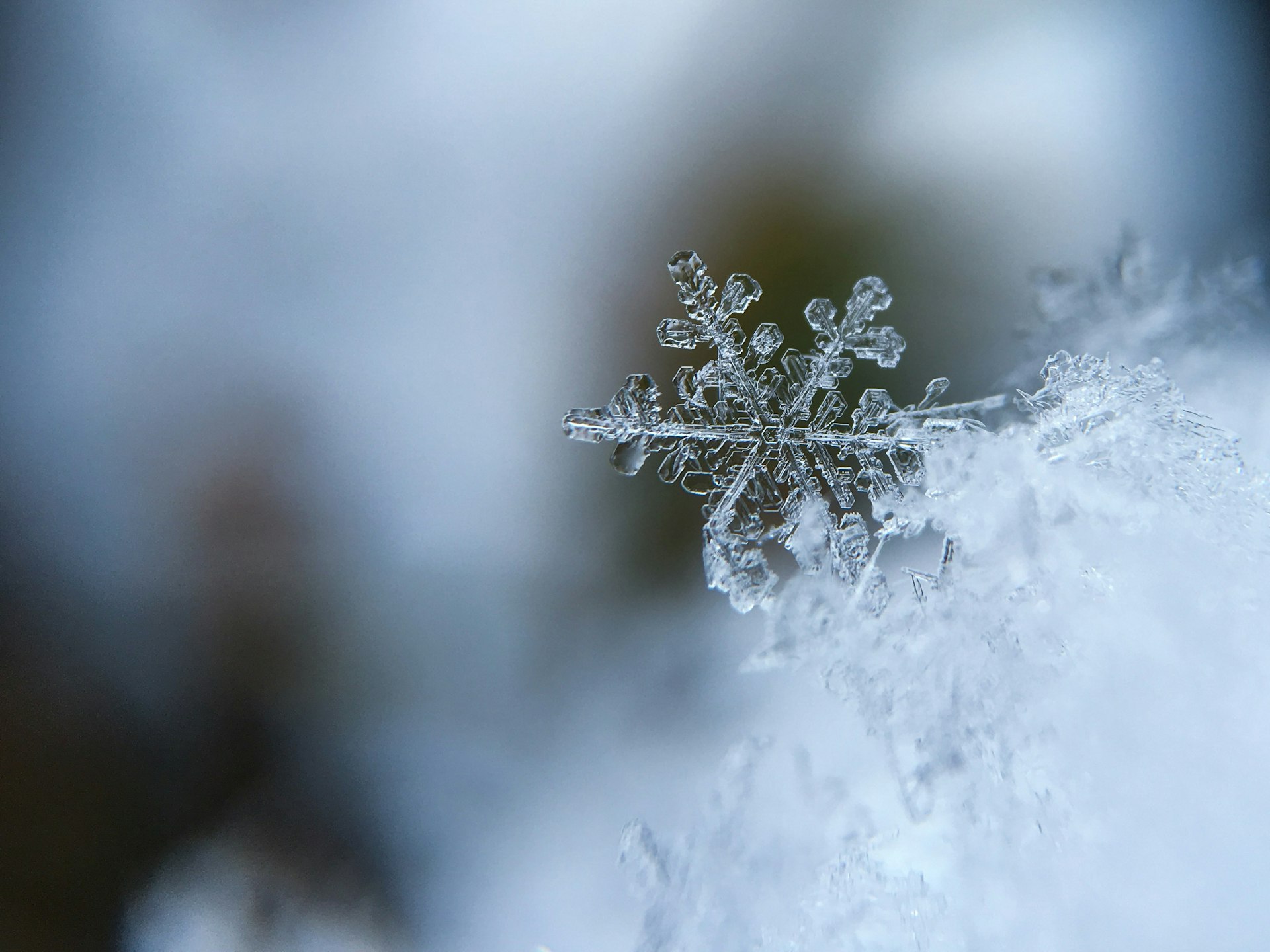
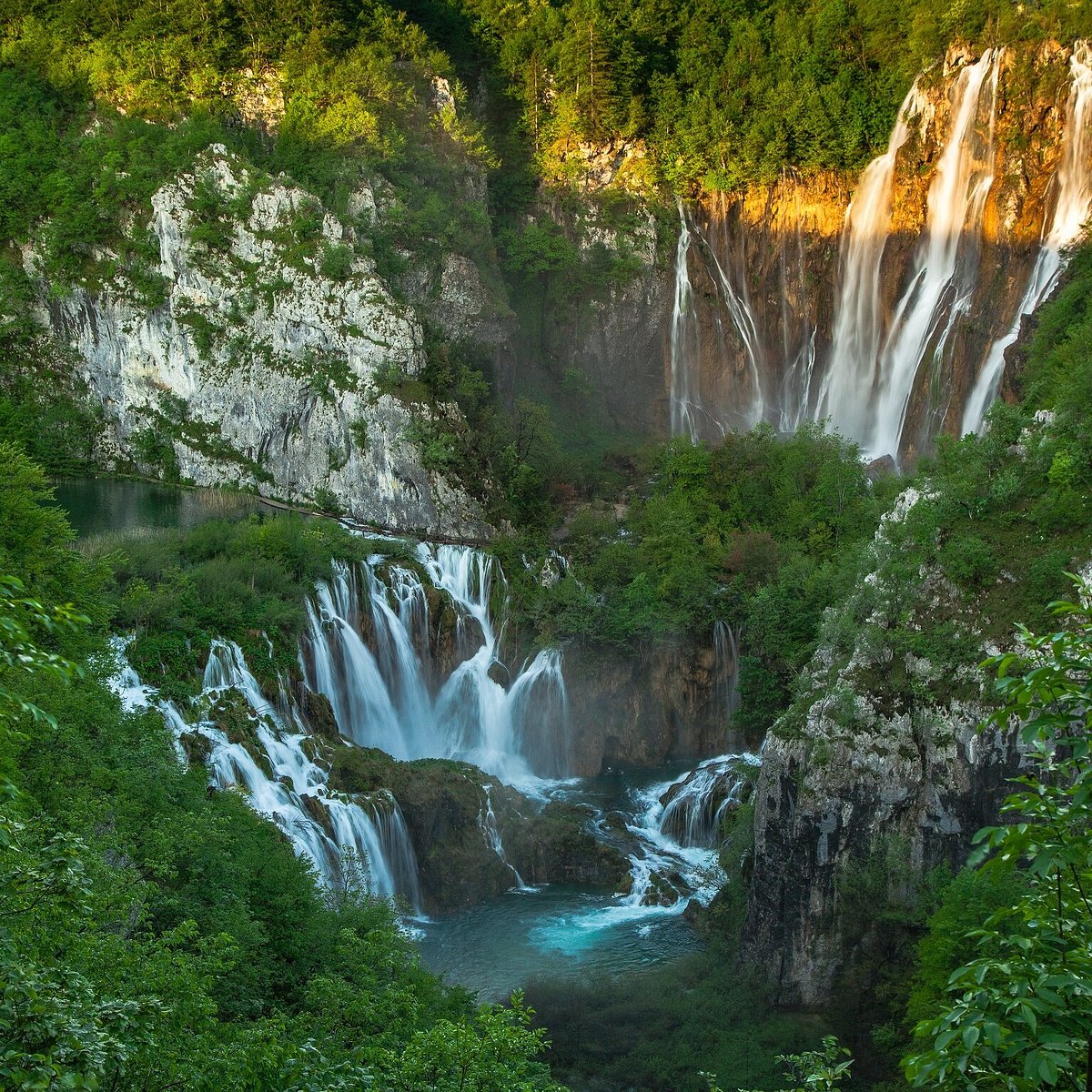
This is winter Plitvice's defining spectacle and the reason photographers and nature lovers make the trip despite the cold. As temperatures drop below freezing, the spray from cascades crystallizes on surrounding rock, vegetation, and travertine barriers. Over weeks of sustained cold, these crystals grow into massive icicle curtains, frozen columns, and surreal ice walls.
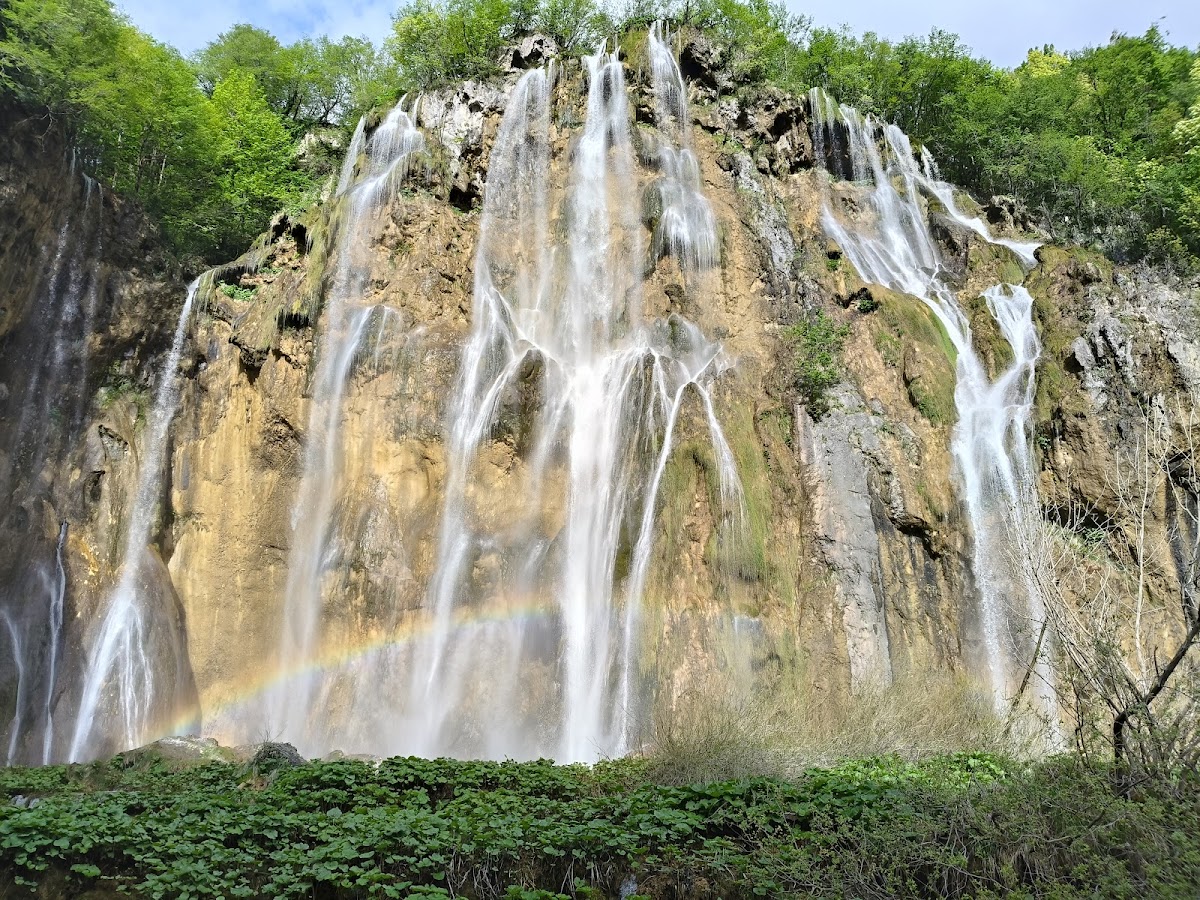
Veliki Slap (78 meters) rarely freezes completely — the water volume is too great — but it develops dramatic ice framing around its edges. The contrast of flowing water surrounded by enormous icicles is Plitvice's most iconic winter image.
The smaller cascades between the lower lakes are where the real magic happens. Some freeze entirely during January cold snaps, transforming into abstract blue-white ice sculptures that look more like modern art installations than natural formations. The travertine barriers — the living limestone dams that separate the lakes — develop layered ice shelves, frozen drip formations, and translucent icicle curtains that catch and refract the winter light.
Ice formations peak in January and early February during sustained sub-zero periods. By late February, warming cycles begin to break them down, though partial formations persist into March.
Snow-Covered Trails
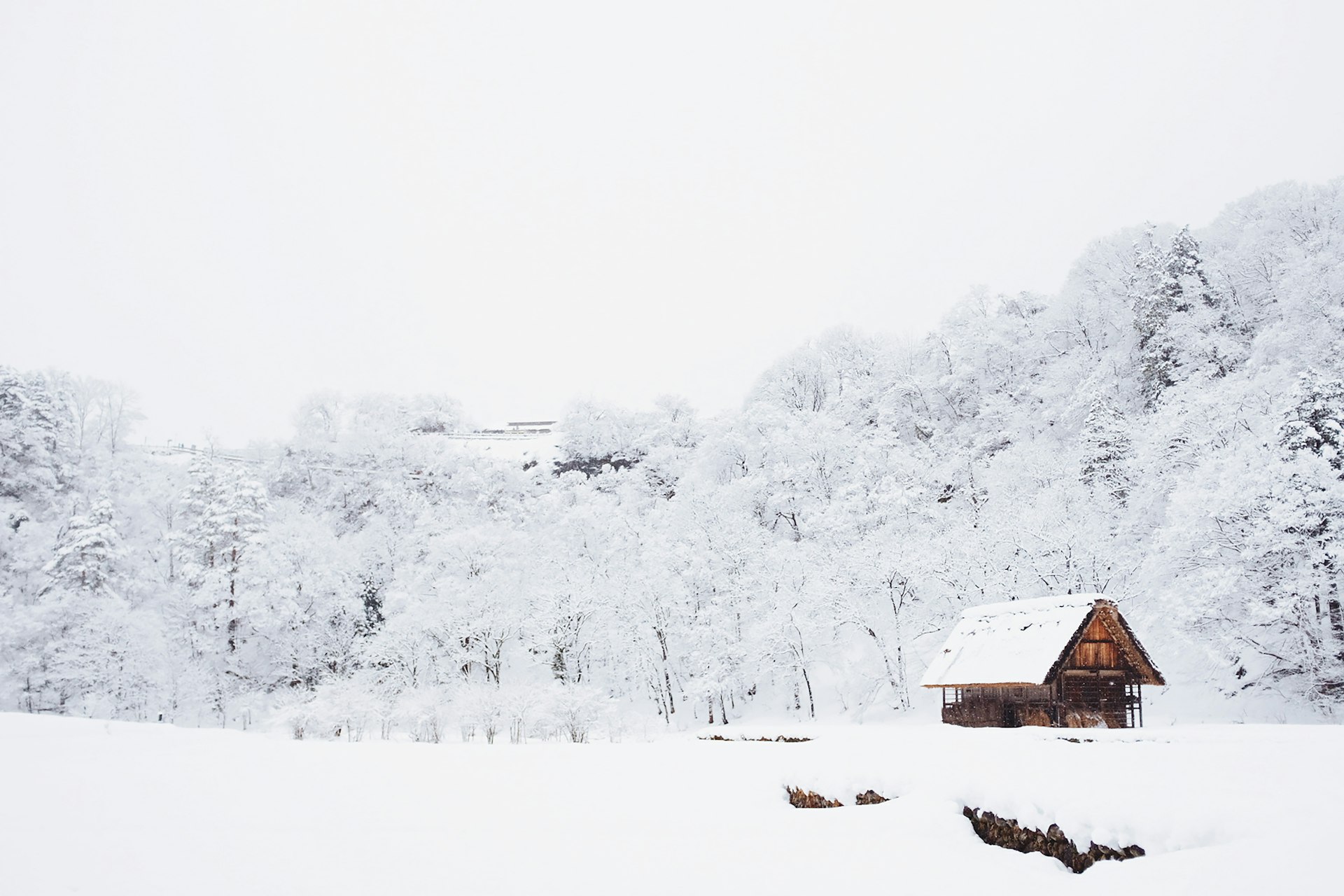
Fresh snowfall transforms the park into a monochromatic wonderland. The wooden boardwalks are dusted white, the beech trees stand as dark silhouettes against the snow, and the turquoise lakes provide the only intense color in an otherwise black-and-white landscape. After a heavy snowfall, the silence is absolute — the snow absorbs sound, and you can hear your own heartbeat on the boardwalks.
Snow cover is common from December through February, with accumulations of 20–40 cm on the ground being typical in January. The park sits at an elevation of 500–640 meters in a continental-mountain climate zone, which means genuine, sustained winter conditions rather than the occasional dusting coastal Croatia might receive.
Winter Wildlife
With fewer visitors disturbing the landscape, winter is one of the best times to spot wildlife at Plitvice. Species you might encounter include:
- European brown bears — While they typically hibernate, mild winter days can bring them out, particularly in November and March.
- Wolves — Plitvice's wolf packs are more active in winter, though sightings from the tourist trails are extremely rare.
- Deer and wild boar — Commonly seen at dawn and dusk near the forest edges.
- Birds — Dippers (the small brown birds that dive into streams), grey herons along the lake edges, and various woodpecker species are active all winter. The reduced foliage makes birdwatching significantly easier than in summer.
- Trout — The exceptionally clear winter water makes fish easier to spot in the lakes and streams.
Fewer Crowds: The Numbers
The contrast with summer is staggering. Plitvice Lakes receives approximately 1.5 million visitors annually, with the vast majority concentrated between June and September. On a peak July day, the park may see 10,000–15,000 visitors. On a January weekday, you might share the Lower Lakes circuit with 30–50 other people.
This means no queuing for photos, no shuffling single-file on crowded boardwalks, no sold-out timed-entry slots, and no fighting for parking spaces. You can stand at a viewpoint for twenty minutes composing the perfect photograph without anyone walking through your frame.
The one exception is the Christmas–New Year holiday period, which brings a modest spike in visitors (both Croatian families and European tourists). Even then, "crowded" in winter Plitvice terms is still quieter than a Tuesday morning in October.
Photography Opportunities Unique to Winter
Winter creates photographic compositions that are physically impossible at any other time of year:
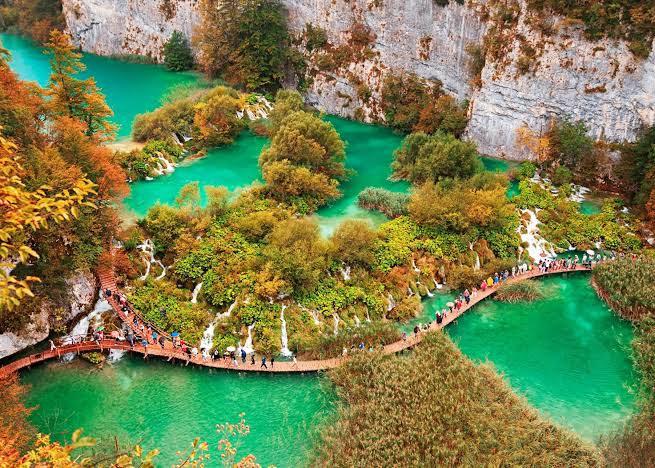
- Frozen cascade textures: Macro-level ice formations on travertine barriers — translucent icicles, layered ice shelves, crystalline spray patterns.
- Steaming lakes: On sub-zero mornings, the lake surface produces an ethereal mist as warmer water meets freezing air.
- Minimalist compositions: Bare branches, white snow, and turquoise water reduce the scene to essential elements — clean, striking, modern.
- Snow-dusted boardwalks as leading lines: The wooden walkways create perfect compositional guides through the winter landscape.
- Ice-framed waterfalls: The contrast of moving water within a frame of frozen ice is unique to sustained cold periods.
For a deep dive into photo techniques at Plitvice, see our complete photography guide.
Practical Information
What to Wear: The Layering System
Winter at Plitvice demands serious cold-weather preparation. You'll be outdoors for 2–4 hours in temperatures that can drop well below freezing, on surfaces that are frequently icy and wet. Cotton kills comfort in these conditions — everything should be wool, synthetic, or technical fabric.
Base layer (moisture management):
- Merino wool or synthetic thermal top (long-sleeve)
- Merino wool or synthetic thermal leggings
- Wool or synthetic hiking socks (avoid cotton at all costs)
Mid-layer (insulation):
- Fleece jacket or merino wool sweater
- Insulated vest for core warmth (optional but recommended)
Outer layer (weather protection):
- Waterproof, windproof winter jacket — either insulated or shell over a down jacket
- Waterproof over-trousers or insulated hiking pants
Extremities (where you lose most heat):
- Warm beanie or thermal hat that covers your ears
- Insulated, waterproof gloves — consider liner gloves underneath for dexterity when handling cameras
- Scarf, buff, or balaclava for face and neck protection
- Waterproof insulated hiking boots — this is the single most important item. Ankle-height minimum, with aggressive tread for icy surfaces
What to Bring: Winter Gear Checklist
Beyond clothing, pack these essentials:
- ✅ Ice cleats / microspikes — Strap-on traction devices (Yaktrax, Kahtoola Microspikes, or similar) that grip to icy boardwalks. These cost €15–30 and make an enormous difference. Strongly recommended.
- ✅ Trekking poles — With snow baskets attached. Essential for stability on icy and uneven surfaces.
- ✅ Thermos with hot drink — Tea, coffee, or hot chocolate. You won't find an open café inside the park.
- ✅ High-energy snacks — Chocolate, nuts, energy bars, dried fruit. You'll burn more calories in the cold.
- ✅ Hand warmers — Disposable or rechargeable. Invaluable for keeping fingers functional, especially for photographers.
- ✅ Headlamp or flashlight — Winter daylight is short. If you enter at 1:00 PM, you may be walking out in twilight.
- ✅ Extra camera batteries — Cold drains lithium-ion batteries dramatically. Keep spares in an inside pocket close to your body.
- ✅ Waterproof phone case or ziplock bag — Snow, ice melt, and cold condensation are hard on electronics.
- ✅ Small backpack — To carry all of the above, plus shed layers as you warm up from walking.
- ✅ Park map — Download or screenshot the trail map before your visit. Cell signal inside the park can be spotty.
Safety Considerations
Winter conditions at Plitvice create real hazards that summer visitors never encounter:
Icy boardwalks: The wooden walkways become slippery when wet, and treacherous when icy. Park staff grit and clear the open paths, but ice can reform quickly. Walk slowly, use trekking poles, and wear ice cleats. This is not an exaggeration — a fall on an icy boardwalk above the canyon could result in serious injury.
Closed sections exist for a reason: If a trail is marked as closed, do not attempt it. The Upper Lakes boardwalks are closed in winter because snow and ice on those narrow, elevated walkways create genuine fall hazards. Respect the barriers.
Hypothermia risk: If you get wet (from rain, snow, or a fall into shallow water) and can't get warm quickly, hypothermia is a real possibility in sub-zero temperatures. Carry a spare base layer in a waterproof bag.
Driving conditions: Roads to Plitvice can be icy and snow-covered. Winter tires are legally required in Croatia from November 15 to April 15. If renting a car, confirm winter tires are fitted. Carry snow chains as a backup if driving from the coast. For transport options, see our guide on getting to Plitvice.
Emergency preparedness: Cell signal is unreliable inside the park. Let someone know your plans and expected return time. The visitor center at Entrance 1 has staff who can assist in emergencies.
Best Routes for Winter
With the Upper Lakes and boat service typically closed, your winter options center on the Lower Lakes circuit from Entrance 1.
Route A (recommended for winter, 2–3 hours): The classic Lower Lakes loop. From Entrance 1, descend to Veliki Slap, follow the boardwalks along the lower cascades, and return via the canyon-edge path. This route covers Plitvice's most dramatic scenery and is the best-maintained path in winter.
Route B (extended, 3–4 hours, conditions permitting): Extends Route A with a longer loop that may include portions around Lake Kozjak, depending on conditions. Check with staff at the entrance which sections of Route B are open on the day of your visit.
Winter tip: Start with Veliki Slap while your energy is high and the morning light angles into the canyon. Work your way along the lower cascades, taking your time at each viewpoint. Return via the elevated path above the canyon for wider panoramic views.
Temperature Data: Month by Month
Understanding the temperature progression from November through March helps you choose the right month for your visit and pack appropriately.
| Month | Avg High | Avg Low | Precipitation | Snow Likelihood | Daylight Hours |
|---|---|---|---|---|---|
| November | 9 °C (48 °F) | 2 °C (36 °F) | ~100 mm | Possible, not guaranteed | ~9.5 hours |
| December | 5 °C (41 °F) | -2 °C (28 °F) | ~90 mm | Common | ~8.5 hours |
| January | 4 °C (39 °F) | -4 °C (25 °F) | ~80 mm | Heavy, frequent | ~9 hours |
| February | 6 °C (43 °F) | -3 °C (27 °F) | ~75 mm | Moderate to heavy | ~10.5 hours |
| March | 10 °C (50 °F) | 1 °C (34 °F) | ~80 mm | Possible, decreasing | ~12 hours |
November is the transition month — autumn colors may linger in early November, while late November brings the first frosts and occasional snow. It's the mildest winter month but also the least "wintery" in terms of ice formations and snow cover.
December brings genuine winter. Snow is common, ice formations begin appearing, and the landscape shifts to its winter character. The week between Christmas and New Year brings a small visitor bump.
January is the coldest, snowiest, and most dramatic month. Expect heavy snow cover, the most impressive frozen waterfall formations, and the fewest visitors. Cold snaps can push temperatures below -10 °C.
February begins the slow thaw. Dramatic freeze-thaw cycles create dynamic conditions — waterfalls may partially melt during the day and refreeze at night. Daylight increases noticeably by late February.
March is the transition out of winter. Snow cover thins, the Upper Lakes typically reopen in the second half of the month, and spring conditions return. Early March still feels like winter; late March increasingly like spring.
Winter Photography Guide
Winter is arguably the most rewarding season for photography at Plitvice. The crowds are gone, the light is soft and diffused, and the frozen landscape offers compositions impossible at any other time of year.
Best Spots for Winter Shots
1. Veliki Slap (Great Waterfall) — The iconic winter shot. The 78-meter waterfall framed by massive icicles is the definitive Plitvice winter image. Best captured from the viewing platform at the base. On overcast days, the ice glows blue-white without harsh shadows — actually preferable to direct sunlight for this shot.
2. Lower Lakes cascades — Frozen travertine barriers. The boardwalk section between Gavanovac and Kaluđerovac lakes passes dozens of small cascades that freeze partially or completely. This is where you'll find the most varied ice formations — icicle curtains, frozen shelves, and translucent ice walls. Bring a macro lens.
3. Canyon viewpoints — Winter panoramas. The elevated viewpoints above the Lower Lakes canyon offer sweeping views of the snow-covered landscape. On clear days after fresh snowfall, the contrast between white snow, dark forest, and turquoise water is extraordinary.
4. Boardwalk leading lines. The snow-dusted wooden boardwalks winding through bare winter trees create compelling compositional guides. Shoot these early in the morning when the snow is undisturbed by foot traffic.
5. Lake surfaces — Steaming water. On the coldest mornings (below -5 °C), the lake surfaces produce visible mist as the relatively warmer water meets freezing air. Combined with snow-covered banks, this creates an ethereal, almost otherworldly atmosphere. Best captured at first light.
Lighting Conditions
Winter light at Plitvice is dramatically different from summer:
- The sun sits low all day, creating long shadows and warm side-lighting even at midday. This is actually advantageous — the canyon walls are side-lit for much of the day, revealing texture and depth.
- Overcast days are excellent for ice and waterfall photography. Diffused light eliminates harsh shadows and allows the translucent quality of ice to show through. Don't skip your visit just because it's cloudy.
- Blue hour lasts longer in winter. The extended twilight periods before sunrise and after sunset produce beautiful cool-toned light that complements the ice and snow.
- Golden hour is brief but spectacular. When the winter sun does break through, it paints the snow and ice in warm tones that last only 15–20 minutes.
Equipment Tips for Cold Weather
Cold weather is hard on both equipment and photographers. Prepare accordingly:
- Batteries: Cold drains lithium-ion batteries at roughly twice the normal rate. Carry at least two spares and keep them in an inside pocket close to your body heat. Rotate batteries — swap a warm spare in when the current one drops below 30%.
- Condensation: Moving from cold outdoor air to a warm car or building causes immediate condensation on lens elements and sensor. Place your camera in a sealed plastic bag before going indoors and let it warm up gradually (30–60 minutes).
- Tripod: Essential for the low-light conditions. Metal tripod legs conduct cold painfully — wrap the upper sections with foam grip tape or use a tripod with rubber-coated legs.
- Lens cloth: Keep several dry microfiber cloths accessible. Snow melt and spray will constantly hit your front element.
- Gloves: Use a liner glove + outer glove system. Remove the outer glove for precise camera controls, keeping the thin liner on for some warmth.
- Polarizing filter: Cuts glare from ice and snow, deepens the turquoise water color, and is essential for shooting through icy surfaces.
Sunrise and Sunset Times (Winter Months)
Plan your photography windows around these approximate times:
| Month | Sunrise | Sunset | Golden Hour Window |
|---|---|---|---|
| November | 6:30 AM | 4:30 PM | Brief, ~20 min each |
| December | 7:15 AM | 4:10 PM | Brief, ~15 min each |
| January | 7:20 AM | 4:30 PM | Brief, ~15 min each |
| February | 6:50 AM | 5:15 PM | Lengthening, ~20 min each |
| March | 6:10 AM | 5:55 PM | Moderate, ~25 min each |
Note: The park opens at 8:00 AM, so you'll miss sunrise unless you're already inside (not possible in winter). However, the soft morning light between 8:00 and 10:00 AM is excellent, and the low sun angle means "golden hour quality" light persists well past actual golden hour.
Where to Find Ice Formations
Ice formations develop predictably in certain areas:
- Travertine barriers between lower lakes: First to freeze, most varied formations. Check the barriers between Milanovac, Gavanovac, and Kaluđerovac lakes.
- Veliki Slap edges: Massive icicle curtains form around the waterfall's base and sides during sustained cold.
- Small side cascades: The tiny feeder streams and drip falls along the canyon walls freeze completely, creating delicate crystal curtains.
- Splash zones: Areas where waterfall spray hits rock or vegetation develop layered ice accumulations that can grow several centimeters per day during cold snaps.
For comprehensive camera settings and composition techniques, see our Plitvice Lakes Photography Guide.
Accommodation in Winter
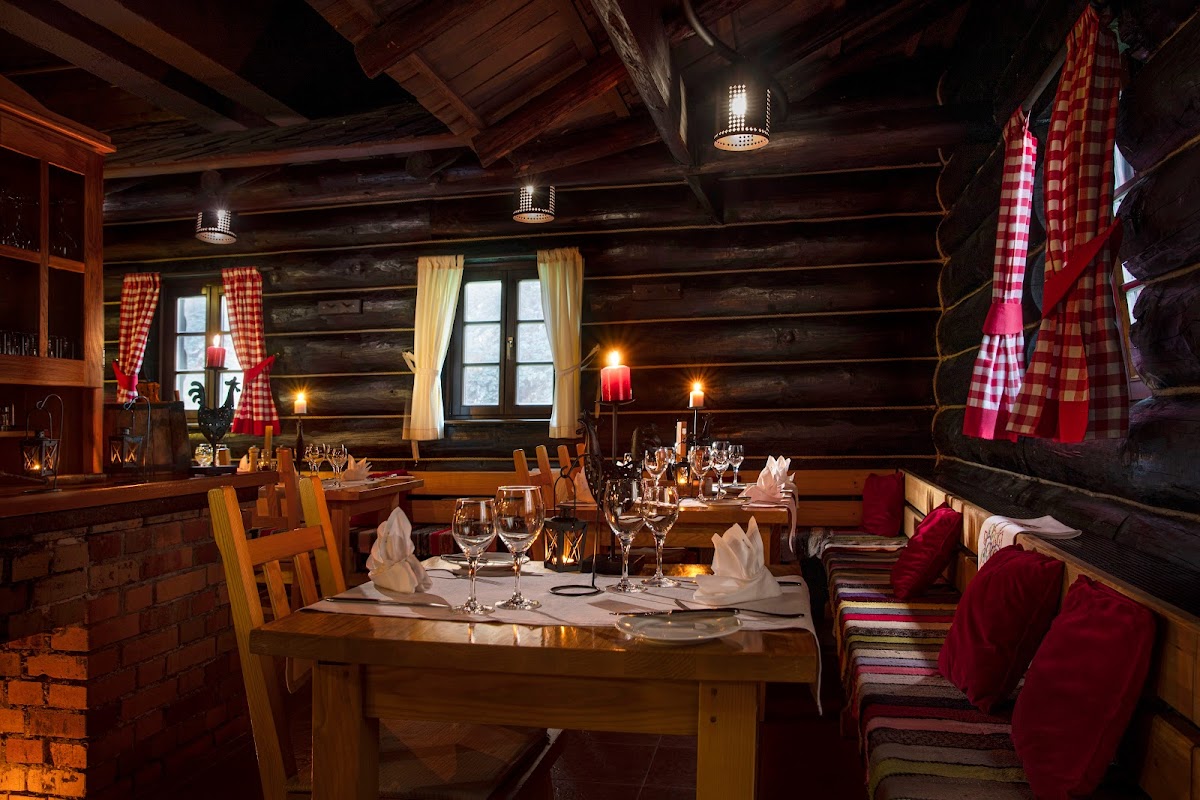
Finding accommodation near Plitvice in winter requires more planning than summer because many properties close for the off-season. The upside: properties that remain open offer significantly reduced rates.
Which Properties Stay Open
Hotels:
- Hotel Jezero — The park's flagship hotel, located within the park boundary, operates year-round. It's the most convenient winter option — you can walk to Entrance 2 in minutes. Expect winter rates 30–50% lower than peak summer pricing.
- Hotels in Rakovica, Korenica, and Slunj — Several properties in these nearby towns stay open year-round, offering budget to mid-range options. Rakovica is approximately 12 km from Entrance 1; Korenica is about 17 km away.
Guesthouses and private accommodation:
- Many family-run guesthouses (sobe) close from November through March, but those in Rakovica and along the main road to Plitvice often remain open. Contact properties directly to confirm winter availability.
- Booking platforms show reduced inventory in winter — book early if you want a specific property.
Self-catering apartments:
- Available year-round through platforms like Booking.com and Airbnb. These are a particularly good winter option because you can prepare hot meals and warm up after your park visit.
Off-Season Rates
Winter accommodation near Plitvice typically costs 30–50% less than summer rates:
- Budget guesthouses: €30–50 per night for a double room
- Mid-range hotels: €60–90 per night
- Hotel Jezero: €80–130 per night (depending on room type)
These rates make a winter Plitvice trip remarkably affordable — combine cheap accommodation with €10 park tickets and free parking, and a couple can visit for under €100 total for a day trip or under €200 including an overnight stay.
Pros and Cons of a Winter Visit
Who Should Visit in Winter
Winter Plitvice is ideal for:
- Photographers seeking unique frozen landscapes without crowds blocking every shot
- Introverts and solitude seekers who want to experience nature without masses of tourists
- Budget travelers — €10 tickets, free parking, and 30–50% off accommodation
- Repeat visitors who've seen summer Plitvice and want an entirely different experience
- Adventurous travelers who enjoy challenging weather and feel comfortable in winter mountain conditions
Who Should Wait for Summer
Consider a warmer visit if:
- You want to see the complete park — the Upper Lakes, boat ride, and full trail system are only available April through October
- You travel with young children or elderly relatives — icy boardwalks and cold temperatures create genuine safety and comfort challenges
- You have mobility limitations — winter conditions make the already-uneven terrain significantly harder to navigate
- You're making a once-in-a-lifetime trip — if this is your only chance to visit, summer gives you access to the full park experience
- You dislike cold weather — this seems obvious, but 3 hours in sub-zero temperatures on icy boardwalks is not enjoyable if you genuinely don't like the cold
The Honest Bottom Line
Winter Plitvice is extraordinary but limited. You see roughly 40% of the park (the Lower Lakes) under conditions that are 100% unique. If you value atmosphere, photography, and solitude over comprehensiveness, winter wins. If you want the full experience with lakes, boats, and extensive hiking, summer is the answer.
Day-by-Day Winter Itinerary
Sample 1-Day Itinerary
A single day is enough to experience winter Plitvice thoroughly, given the limited trail access.
8:30 AM: Arrive at Entrance 1. Purchase tickets (or show pre-purchased online tickets). Pick up a park map and confirm which sections are open today.
8:45 AM: Begin descent toward Veliki Slap. The morning light is soft and the snow is fresh — take your time with photos on the way down.
9:15 AM: Arrive at Veliki Slap viewpoint. Spend 20–30 minutes photographing the ice-framed waterfall. The canyon walls catch early light beautifully.
9:45 AM: Continue onto the Lower Lakes boardwalk. Follow Route A along the cascading lower lakes, stopping at each travertine barrier to photograph the ice formations.
11:00 AM: Reach the midpoint of the Lower Lakes circuit. Find a bench or quiet boardwalk section for a thermos break — hot coffee with the frozen cascades as your backdrop.
11:30 AM – 1:00 PM: Complete the Lower Lakes loop, returning via the upper canyon path for panoramic views. Take the elevated trail back toward Entrance 1.
1:00 PM: Exit the park. Drive to a nearby restaurant in Rakovica, Korenica, or Slunj for a warming lunch of traditional Lika cuisine — lamb under the peka, bean stew, or grilled trout.
Afternoon: If time allows, visit Rastoke (30 minutes from Plitvice) to see its winter waterfalls, or drive back to your base city.
Sample 2-Day Itinerary
Two days allows a more relaxed pace and the opportunity to catch different weather conditions.
Day 1:
- Morning: Full Lower Lakes circuit via Route A (as described above).
- Afternoon: Lunch in Rakovica, then visit Rastoke village and its waterfalls. Check into accommodation.
- Evening: Dinner at a local restaurant — try Lička Kuća near the park for traditional dishes.
Day 2:
- Morning: Return to the park for a second visit (your €10 ticket is valid for the day of purchase only, so you'll need a new one). Focus purely on photography — revisit the best spots from yesterday with different light conditions. If yesterday was overcast, a clear morning gives dramatically different results.
- Late morning: Explore any sections of Route B that are open, or revisit Veliki Slap from different angles.
- Afternoon: Depart for your next destination.
Why two days? Winter weather is unpredictable. If Day 1 brings heavy snowfall or poor visibility, Day 2 is your backup for clear conditions. Even if both days are good, the different light and weather create entirely different photographic opportunities.
Nearby Winter Activities
Plitvice isn't the only attraction in the region during winter. A few worthwhile additions to round out your trip:
Rastoke in Winter
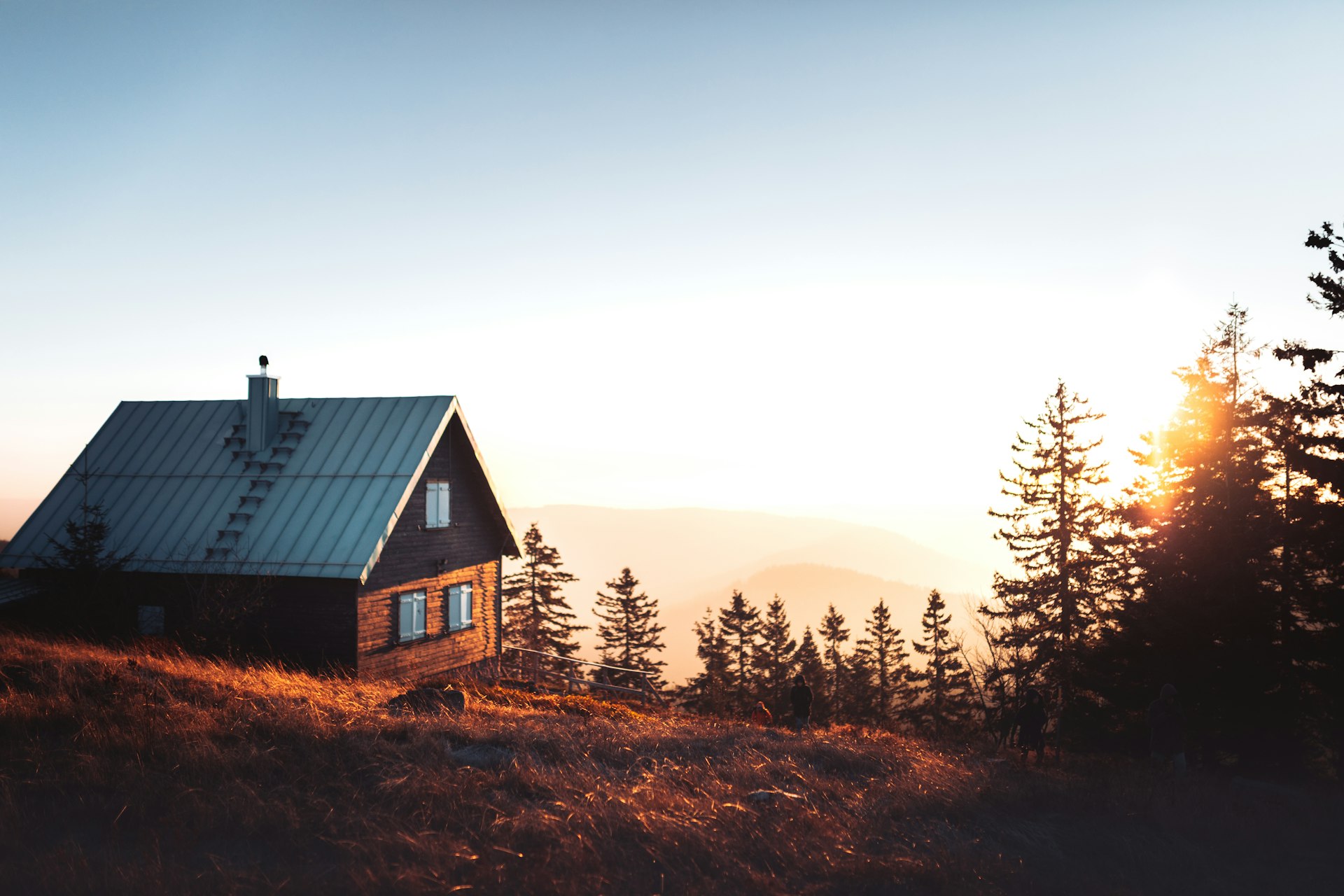
The village of Rastoke, located 30 minutes north of Plitvice near Slunj, is built around a series of waterfalls where the Slunjčica River cascades down to meet the Korana. In winter, Rastoke's waterfalls develop their own ice formations — smaller and more intimate than Plitvice's, but equally photogenic. The village is quieter in winter (many of the cafés and mills may be closed), but you can still walk along the river and photograph the frozen cascades. Entry to the village itself is free, though some viewing platforms charge a small fee.
Local Restaurants for Warming Up
After hours in the cold, a hot meal is essential. The best options near Plitvice:
- Lička Kuća — Traditional restaurant near Entrance 1, specializing in Lika regional cuisine. Lamb, polenta, and cheese are the highlights. Check winter opening hours in advance.
- Restaurants in Rakovica — Several family restaurants in this village (12 km from Plitvice) serve home-cooked Croatian food. Look for places offering peka (meat or octopus slow-cooked under a bell lid).
- Korenica restaurants — The small town of Korenica (17 km away) has a handful of restaurants open year-round. Hearty bean stew (grah) and grilled meats are winter staples.
- Rakija — Croatia's fruit brandy is practically medicinal in winter. A small glass of šljivovica (plum) or travarica (herbal) after your park visit is a local tradition.
Snowshoeing and Cross-Country Skiing
The hills and forests surrounding Plitvice offer informal snowshoeing and cross-country skiing when conditions allow. There are no marked resort trails, but local guesthouses sometimes offer snowshoe rental and guided walks through the winter forest. Ask your accommodation for current options.
Frequently Asked Questions
Is Plitvice Lakes open in winter?
Yes. The park is open year-round, including all winter months. Operating hours are shorter (8:00 AM to 4:00 PM), and access is limited to the Lower Lakes circuit, but the park does not close for winter except in extreme weather emergencies.
How much does it cost to visit Plitvice in winter?
Adult admission from November through March is €10 — the lowest rate of the year and one-quarter of the €40 summer price. Children aged 7–17 pay €5, and children under 7 enter free. Parking at Entrance 1 is free from December 1 through March 14.
Can I see frozen waterfalls at Plitvice?
Yes, but it depends on temperatures. Frozen waterfalls are most likely in January and February during sustained sub-zero cold spells. Smaller cascades can freeze completely; larger waterfalls like Veliki Slap develop impressive ice formations around their edges but rarely freeze entirely.
Do I need ice cleats for winter visits?
They are not required by the park, but they are strongly recommended. The wooden boardwalks become very slippery when icy, and ice cleats (microspikes) provide dramatically better grip. They're inexpensive (€15–30) and could prevent a dangerous fall.
Is the boat ride available in winter?
The electric boat across Lake Kozjak is generally suspended from November through mid-April. On occasional mild days, a limited service may operate, but do not plan your visit around it.
How long does a winter visit take?
With access limited to the Lower Lakes circuit, most visitors spend 2–3 hours in the park. Photographers may stretch this to 4 hours. The park is much smaller in winter than summer due to trail closures.
Can I visit Plitvice in winter without a car?
It's possible but challenging. Bus services from Zagreb and Zadar run year-round but with reduced winter schedules (1–2 departures per day rather than summer's 5–6). Confirm schedules in advance. Organized day tours from Zagreb operate in winter but less frequently than summer — check availability with tour operators. See our transport guide for full details.
What's the best month for winter Plitvice?
January for the most dramatic frozen waterfalls, heaviest snow, and fewest visitors. February for a slightly warmer experience with longer daylight hours while still seeing winter conditions. November and March are transition months — milder but less "wintery."
Is winter Plitvice safe for solo travelers?
Yes. The Lower Lakes circuit is well-maintained and patrolled by park staff. Stick to marked, open trails, wear appropriate gear, and let someone know your plans. Cell signal can be spotty inside the park, so don't rely on your phone for navigation.
Should I buy tickets online in advance for winter?
It's recommended but less critical than in summer. Winter tickets almost never sell out, and you can often buy at the gate. However, the ticket office closes at 2:00 PM — if you're arriving after that, you must have tickets purchased online in advance.
Planning your broader Plitvice trip? See our Complete Plitvice Lakes Travel Guide for year-round planning, our Best Time to Visit Guide for seasonal comparisons, and our Camping Guide for those considering a summer return.