How to Get to Plitvice Lakes: Complete Transportation Guide (2026)
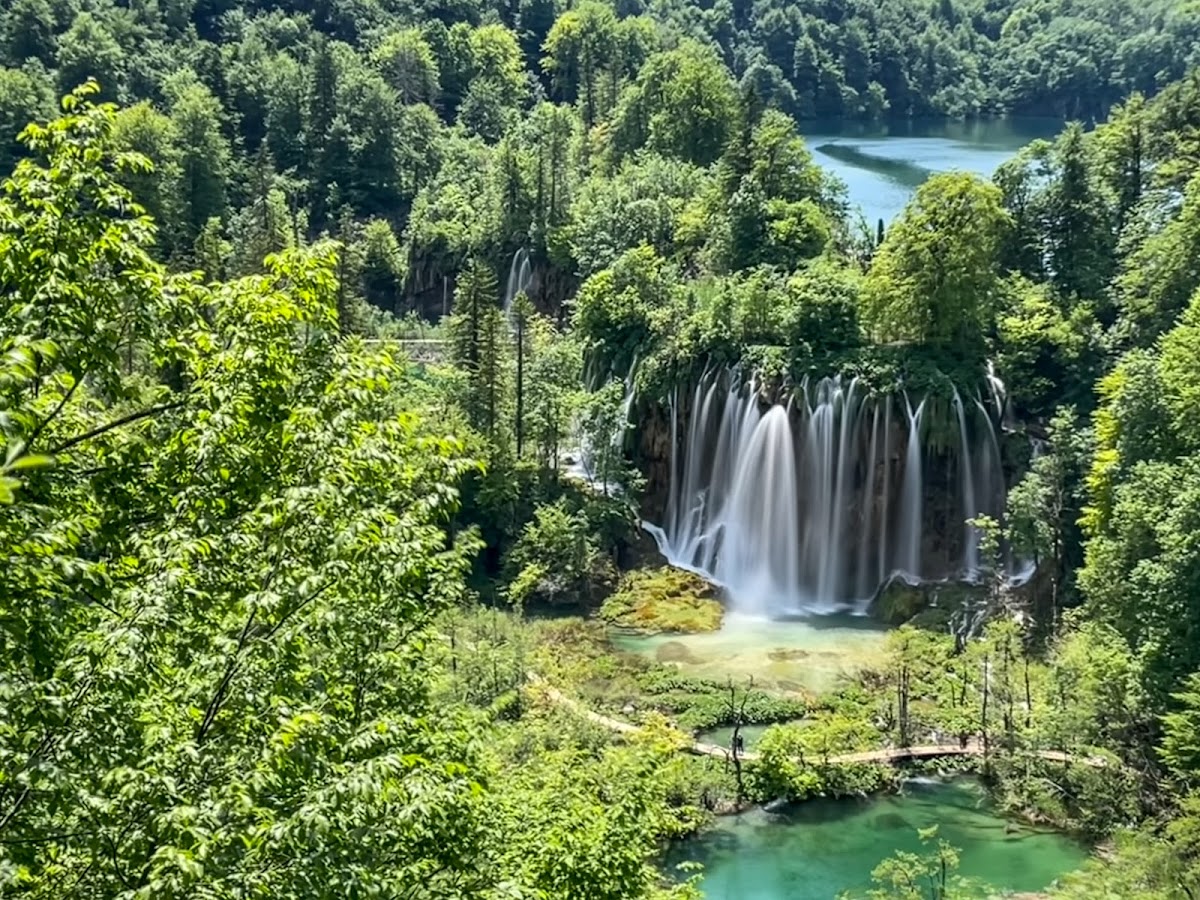
Plitvice Lakes National Park sits in the mountainous heart of inland Croatia, roughly halfway between the capital Zagreb and the Dalmatian coast. Despite its remote, forested setting among the Dinaric Alps, the park is surprisingly well connected — you can reach it from any major Croatian city by bus, car, or organized tour.
The park straddles the D1 national road (the old Zagreb–Split highway), approximately 135 km south of Zagreb, 118 km northeast of Zadar, and 240 km north of Split. There is no train station or airport at Plitvice — the nearest airport is Zadar (ZAD), about 1.5 hours away by car. Two main entrances serve visitors: Entrance 1 (Rastovača) near the Lower Lakes and Entrance 2 (Hladovina) near the Upper Lakes, both directly off the D1 road.
Whether you're coming from Zagreb on a quick day trip, driving up from Split along the coast, or planning a cross-border excursion from Slovenia or Bosnia, this guide covers every route, schedule, and cost you need to know for 2026.
From Zagreb to Plitvice Lakes
Zagreb is the most popular starting point for visiting Plitvice Lakes. At just 135 km and roughly 2 hours away, it makes an easy day trip or a convenient stop on the way south to the coast.

By Bus
Bus travel from Zagreb to Plitvice is the most popular option for visitors without a car. Multiple bus companies run the route daily, with the journey taking between 2 hours 15 minutes and 2 hours 45 minutes depending on traffic and the number of stops.
Key details:
- Frequency: Up to 15–18 daily departures in summer (June–September); 5–8 departures in winter
- First/last bus: Earliest departure around 05:45, latest around 21:30
- Duration: 2 hours 15 minutes to 2 hours 45 minutes
- Cost: €12–€16 one way (return tickets offer ~20% discount)
- Departure point: Zagreb Main Bus Station (Autobusni Kolodvor Zagreb)
- Arrival: Bus stops at both Entrance 1 and Entrance 2 of Plitvice Lakes
Bus companies: The main operators are Autopromet Slunj (the traditional local carrier) and FlixBus (modern coaches with Wi-Fi and air conditioning). Both run direct services.
Booking tips:
- Book online through FlixBus, Arriva Croatia, or GetByBus for the best prices
- Summer departures (especially morning buses at 07:00–09:00) sell out quickly — book 2–3 days ahead
- Buses stop on the main road right at the park entrances, so tell the driver which entrance you want
- Keep your ticket — you'll need it for the return trip if you bought a round-trip fare
Pro tip: Take an early morning bus (before 08:00) to arrive at the park by opening time. This avoids the midday crowds and gives you the full day to explore all the trails and lake routes.
By Car
Driving from Zagreb to Plitvice offers the most flexibility, especially if you want to stop along the way or visit at your own pace.
The route:
- Take the A1 motorway south from Zagreb toward Split/Karlovac
- Exit at Karlovac (about 50 km from Zagreb)
- Follow the D1 national road south through Slunj to Plitvice Lakes (approximately 85 km)
Details:
- Total distance: ~135 km
- Driving time: 1 hour 45 minutes to 2 hours 15 minutes
- Toll cost: ~€2.50 for the Zagreb–Karlovac motorway section; the D1 road from Karlovac to Plitvice is toll-free
- Fuel cost: Approximately €12–€15 one way for a standard car
The D1 road from Karlovac is a scenic two-lane highway winding through green hills and small villages. It's well-maintained but can be slow behind trucks. In summer weekends, expect some congestion near the park entrances.
Alternative route: Some GPS systems will suggest staying on the A1 motorway longer and exiting at Otočac or Gornja Ploča. This adds distance but avoids the D1 traffic. The toll is higher (~€6–€8) but travel time is similar.
Organized Tours from Zagreb
Day tours from Zagreb to Plitvice Lakes are extremely popular and offer a hassle-free experience, especially for solo travelers or those who prefer not to navigate unfamiliar roads.
What's typically included:
- Round-trip transportation in an air-conditioned minibus or coach
- Hotel pickup and drop-off in central Zagreb
- Licensed English-speaking guide
- Guided hike through the park (both Upper and Lower Lakes)
- Boat ride across Lake Kozjak and panoramic train ride
What's usually NOT included:
- Park entrance fee (€23–€40 depending on season)
- Lunch and drinks
Cost: €40–€70 per person for the tour itself, plus €23–€40 for park entry Duration: 10–12 hours (typically depart 07:00–08:00, return 18:00–19:00)
Popular operators include Gray Line Zagreb, local operators on GetYourGuide, and Viator.
Zagreb to Plitvice: Cost Comparison
| Method | One-Way Cost | Round-Trip Cost | Duration | Best For |
|---|---|---|---|---|
| Bus | €12–€16 | €20–€26 | 2h 15min–2h 45min | Budget travelers |
| Car | €15–€18 (fuel + toll) | €30–€36 | 1h 45min–2h 15min | Flexibility, families |
| Organized tour | €40–€70 + entry fee | Included (round-trip) | 10–12h total | Hassle-free experience |
| Private transfer | €120–€180 | €200–€300 | ~2h | Comfort, groups |
From Split to Plitvice Lakes
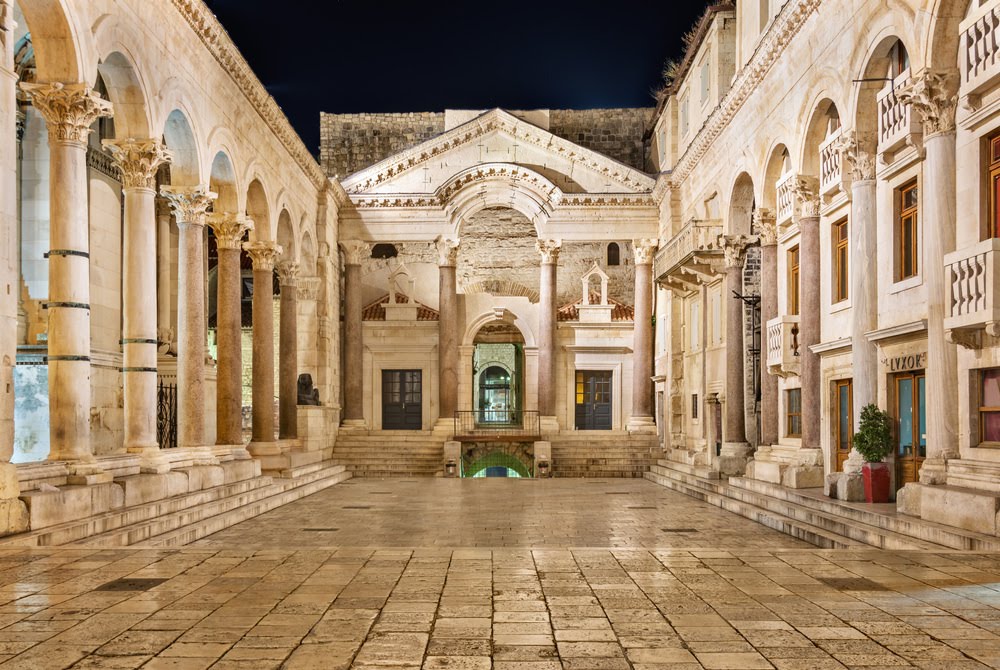
Split is the second most common starting point, especially for travelers exploring the Dalmatian coast. The journey is longer — about 240 km — but well worth the effort for a day trip or an overnight stay near the park.
By Bus
Direct buses run daily between Split and Plitvice Lakes, making this a practical option even without a car.
Key details:
- Frequency: At least 9 daily departures in summer, fewer in winter
- Operating hours: Buses run from approximately 07:00 to 20:00
- Duration: 3 hours 30 minutes to 5 hours 50 minutes (varies significantly by route)
- Cost: €15–€23 one way
- Departure point: Split Main Bus Station (Autobusni Kolodvor Split), near the Old Town and ferry port
- Arrival: Plitvice Lakes bus stops at Entrance 1 and Entrance 2
Bus companies: FlixBus is the most popular choice, offering newer coaches with Wi-Fi, USB charging, and air conditioning. Autotrans and Čazmatrans also run this route.
Booking tips:
- The fastest buses (3h 30min) take the inland motorway route — check the route when booking
- Slower buses (5h+) follow the old coastal road with more stops
- Book 3–5 days ahead in July and August — this is one of Croatia's busiest bus routes
- An early departure (07:00–08:00) gets you to Plitvice by late morning with the full afternoon to explore
By Car
Driving from Split to Plitvice gives you two main route choices, each with different advantages.
Route 1: Motorway via A1 (fastest)
- Take the A1 motorway north from Split toward Zagreb
- Exit at Gornja Ploča or continue to the Otočac exit
- Follow local roads to Plitvice Lakes
- Distance: ~264 km
- Driving time: 2 hours 45 minutes to 3 hours 15 minutes
- Toll cost: ~€10–€12 (Split to Gornja Ploča section on A1)
- Pros: Fastest route, modern highway, well-signed
- Cons: Higher toll costs, less scenic
Route 2: Inland via Sinj and Knin (toll-free)
- Drive east from Split through Sinj
- Continue through Vrlika and Knin
- Head north through Korenica to Plitvice Lakes
- Distance: ~237 km
- Driving time: 3 hours 15 minutes to 3 hours 45 minutes
- Toll cost: Free (no motorway tolls)
- Pros: No tolls, scenic mountain and valley landscapes, passes through historic Knin
- Cons: Slower, winding roads in sections, fewer rest stops
Our recommendation: Take the motorway if you're doing a day trip and want maximum time at the park. Take the inland route if you have time to enjoy the drive and want to save on tolls — it's one of Croatia's most underrated scenic routes, passing through the Dalmatian hinterland with views of the Dinara mountain range.
Organized Tours from Split
Day tours from Split to Plitvice Lakes are widely available but involve a long day — expect 12–14 hours round trip.
What's typically included:
- Round-trip transportation (air-conditioned bus or minibus)
- Hotel pickup and drop-off in Split
- Licensed guide in the park
- Boat ride and panoramic train ride within the park
What's usually NOT included:
- Park entrance fee (€23–€40)
- Food and drinks
Cost: €55–€85 per person (excluding park entry) Duration: 12–14 hours (typically depart 06:00–07:00, return 19:00–21:00)
Pro tip: Some operators offer a Split-to-Zagreb transfer via Plitvice Lakes — you spend 3–4 hours at the park, then continue to Zagreb. This is brilliant if you're already heading north, as it turns a transit day into a sightseeing highlight. Prices run €70–€120 per person including park time.
Split to Plitvice: Cost Comparison
| Method | One-Way Cost | Duration | Best For |
|---|---|---|---|
| Bus | €15–€23 | 3h 30min–5h 50min | Budget travelers |
| Car (motorway) | €20–€25 (fuel + toll) | 2h 45min–3h 15min | Speed, flexibility |
| Car (toll-free) | €12–€15 (fuel only) | 3h 15min–3h 45min | Scenic drive, budget |
| Day tour | €55–€85 + entry | 12–14h total | Hassle-free, guided |
| Private transfer | €200–€300 | ~3h | Comfort, groups |
From Zadar to Plitvice Lakes
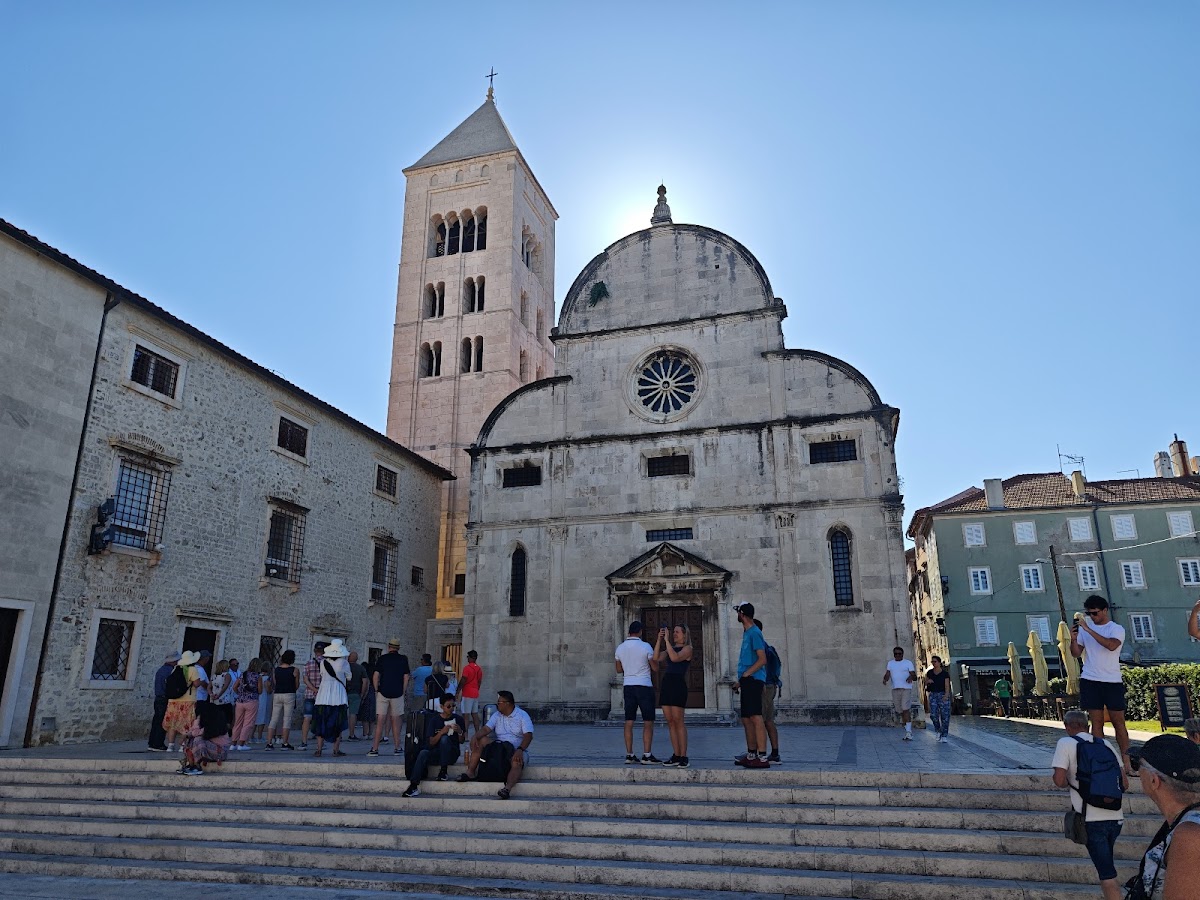
Zadar is the closest major city to Plitvice Lakes, making it an excellent base for a day trip. The park is just 118 km northeast, and Zadar Airport (ZAD) is the nearest airport to the park.
By Bus
Key details:
- Frequency: 7–10 daily departures in summer; 3–5 in winter
- Operating hours: Approximately 08:00 to 23:00
- Duration: 1 hour 45 minutes to 2 hours 50 minutes
- Cost: €13–€17 one way; ~€25 for a return ticket
- Departure point: Zadar Bus Station (Autobusni Kolodvor Zadar)
- Arrival: Both park entrances
Bus companies: FlixBus, Autopromet Slunj, and local carriers serve this route. FlixBus typically runs the fastest services (under 2 hours).
Booking tips:
- This is the shortest bus route to Plitvice — you can easily do a comfortable day trip
- Morning departures (08:00–09:00) are ideal; return buses run until late evening
- Buses heading toward Zagreb also stop at Plitvice, giving you more schedule options
By Car
The route:
- Take the A1 motorway north from Zadar toward Zagreb
- Exit at Gornja Ploča
- Follow the D1 road south to Plitvice Lakes
Details:
- Distance: ~118 km
- Driving time: 1 hour 20 minutes to 1 hour 45 minutes
- Toll cost: ~€6 for the motorway section (round trip ~€12)
- Fuel cost: ~€10–€12 one way
The drive is straightforward and well-signed. After exiting the motorway, the last 30 km on the D1 road pass through the Lika region — a landscape of rolling meadows and scattered villages with the Velebit mountains as a backdrop.
Day Tours from Zadar
Organized day tours from Zadar to Plitvice run daily in season and typically cost €45–€70 per person (excluding park entry). The short distance means a more relaxed schedule — you'll usually have 4–5 hours in the park compared to 3 hours on tours from Split.
Zadar to Plitvice: Cost Comparison
| Method | One-Way Cost | Duration | Best For |
|---|---|---|---|
| Bus | €13–€17 | 1h 45min–2h 50min | Budget, solo travelers |
| Car | €16–€18 (fuel + toll) | 1h 20min–1h 45min | Flexibility, families |
| Day tour | €45–€70 + entry | 8–10h total | Hassle-free experience |
From Dubrovnik to Plitvice Lakes
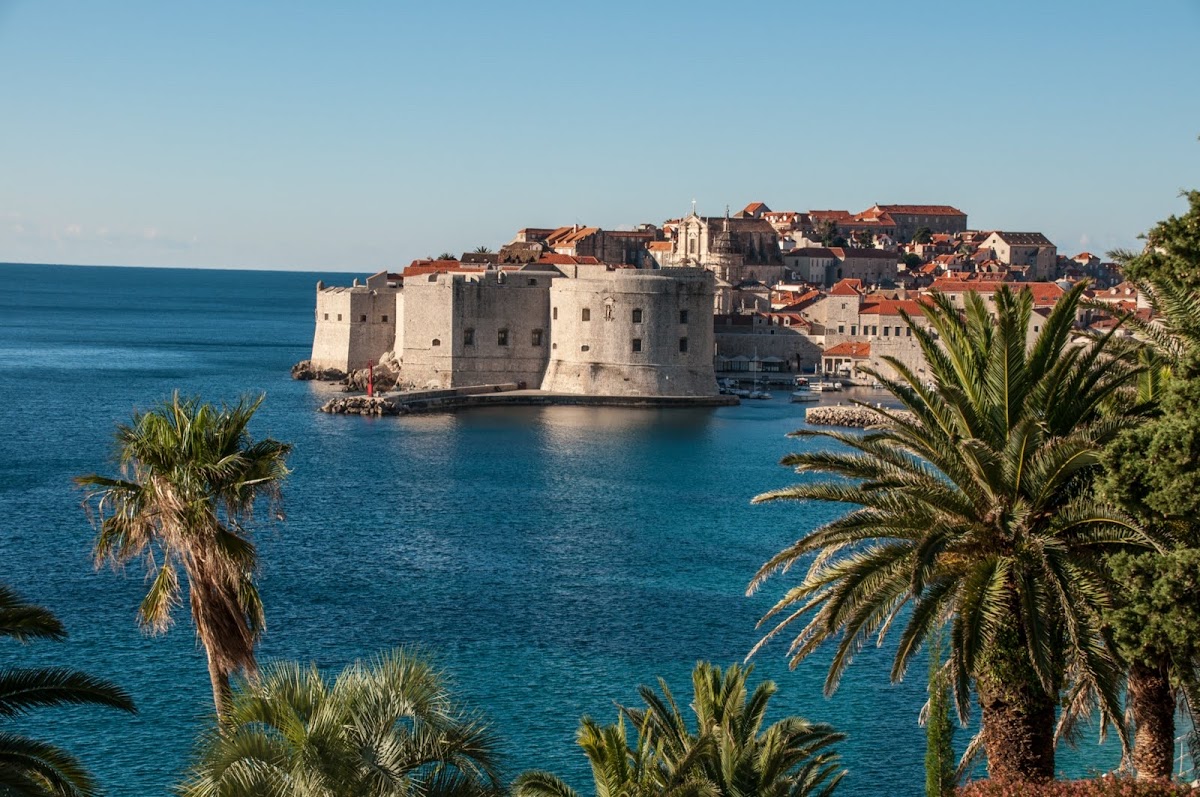
Dubrovnik is the most challenging starting point for Plitvice Lakes — the park is roughly 450 km away, and the journey takes 5–7 hours depending on your route. There are no direct buses, and the drive crosses through a small strip of Bosnia and Herzegovina near Neum.
By Bus
There is no convenient direct bus from Dubrovnik to Plitvice. Your options:
Option 1: Direct bus via coastal route
- One daily departure (operated by Globtour and similar carriers), arriving after approximately 9–10 hours
- Cost: €30–€45 one way
- This is a long, exhausting journey — not recommended as a day trip
Option 2: Transfer in Split
- Take a bus from Dubrovnik to Split (3.5–4.5 hours, €15–€22)
- Transfer at Split Bus Station to a Plitvice-bound bus (3.5–5 hours, €15–€23)
- Total journey: 8–10 hours with the transfer wait
- Total cost: €30–€45
Our recommendation: If starting from Dubrovnik, plan to spend a night in Split or Zadar and visit Plitvice the following day. This turns a grueling day trip into a pleasant two-day itinerary.
By Car
The route:
- Drive northwest from Dubrovnik along the coastal road (E65/A1)
- The road briefly enters Bosnia and Herzegovina at Neum (keep your passport handy — both border crossings take 10–30 minutes depending on season)
- Continue to Split, then take the A1 motorway north to Gornja Ploča
- Follow local roads to Plitvice Lakes
Details:
- Distance: ~450 km
- Driving time: 4 hours 30 minutes to 5 hours 30 minutes (add 20–60 minutes for border crossings in summer)
- Toll cost: ~€12–€16 for the Split–Plitvice motorway section
- Fuel cost: ~€35–€45
Important: You'll cross the Bosnia and Herzegovina border twice at Neum. EU/EEA citizens typically pass through quickly. Non-EU citizens should check visa requirements for Bosnia. Alternatively, the Pelješac Bridge (opened 2022) now allows you to bypass Neum entirely — take the bypass via the bridge to avoid border crossings.
Organized Tours
Due to the distance, very few operators offer Dubrovnik-to-Plitvice day tours. Those that do involve extremely early departures (04:00–05:00) and return late at night. More practical alternatives:
- Multi-day tours that include Plitvice as part of a Dubrovnik-to-Zagreb itinerary
- Transfer tours from Dubrovnik to Split or Zagreb with a Plitvice stop en route (€100–€180 per person)
Dubrovnik to Plitvice: Cost Comparison
| Method | One-Way Cost | Duration | Best For |
|---|---|---|---|
| Bus (direct) | €30–€45 | 9–10h | Budget (with patience) |
| Bus (via Split) | €30–€45 | 8–10h + transfer | More schedule flexibility |
| Car | €50–€65 (fuel + tolls) | 4h 30min–5h 30min | Road trip itinerary |
| Transfer tour | €100–€180 | 5–6h + park time | Combining with city transfer |
From Other Croatian & International Cities
From Rijeka
Rijeka, Croatia's main port city on the Kvarner Gulf, is about 200 km from Plitvice Lakes.
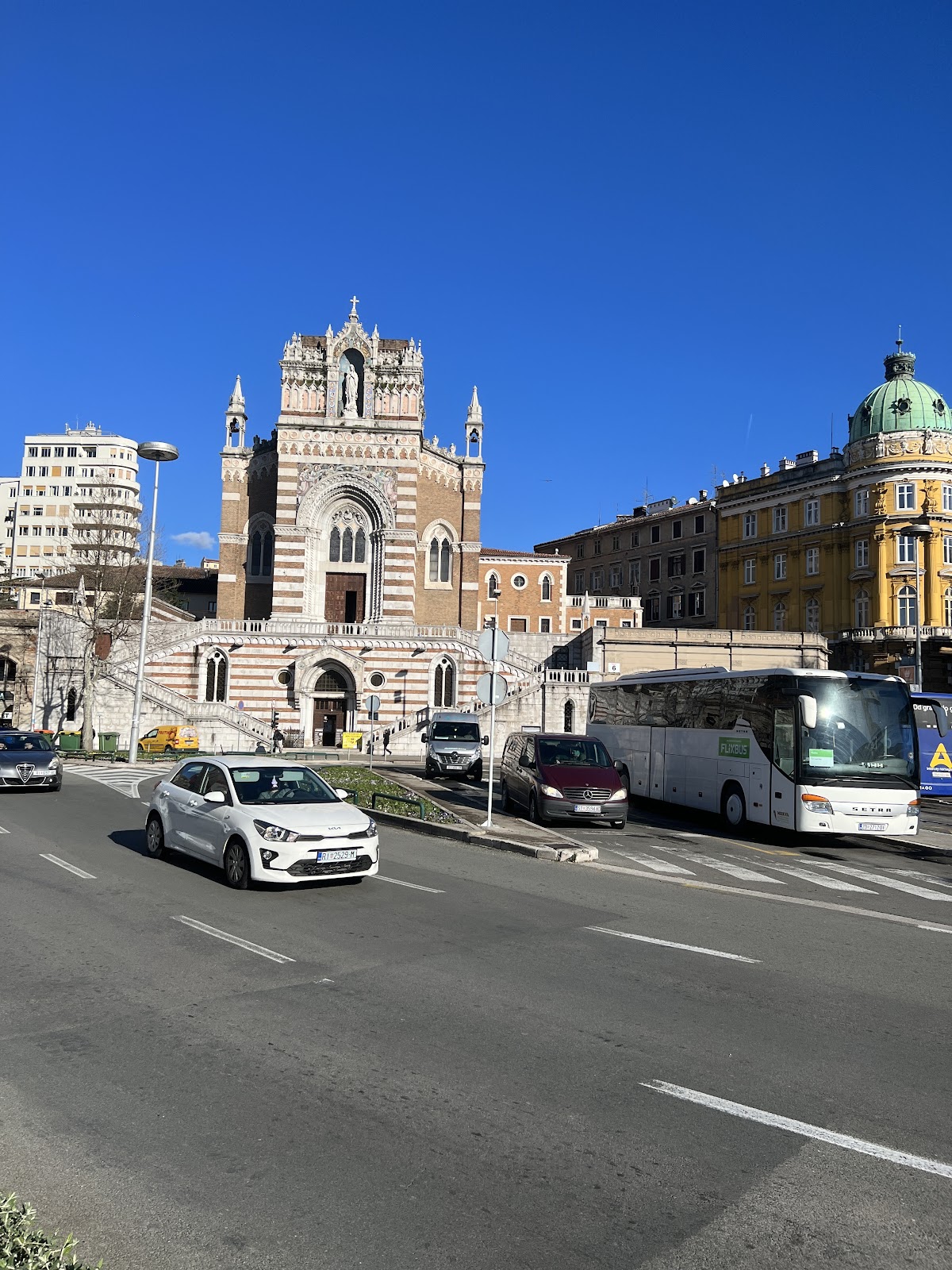
- By bus: 3 hours 45 minutes to 4 hours 40 minutes; 3 daily departures; €15–€25 one way
- By car: 2 hours 15 minutes to 2 hours 40 minutes via the A6 motorway to Zagreb, then A1 south to Karlovac and D1 to Plitvice. Tolls: ~€6–€8
- Day tours: Available from some operators, typically 10–11 hours round trip, €50–€75 per person (excluding park entry)
From Pula & Istria
Pula and the Istrian peninsula are about 230 km from Plitvice — a manageable drive but a long bus journey.
- By bus: Limited direct options; most require a transfer in Rijeka or Zagreb. Total journey 5–7 hours, €20–€30
- By car: 2 hours 45 minutes to 3 hours 15 minutes via Rijeka and the A6/A1 motorways. Tolls: ~€8–€12
- Recommendation: Plitvice works best as a stopover if you're driving between Istria and Dalmatia
From Osijek
Osijek in eastern Croatia (Slavonia) is about 350 km from Plitvice.
- By bus: Limited service, often requiring a transfer in Zagreb. Total journey 5–7 hours, €20–€30
- By car: 3 hours 30 minutes to 4 hours via the A3 and A1 motorways. Tolls: ~€12–€16
International: From Ljubljana, Slovenia
Ljubljana is approximately 230 km from Plitvice Lakes, making it a popular cross-border day trip.
- By bus: No direct bus; travel via Zagreb with a transfer. Total journey: approximately 5–6 hours. Cost: €15–€35
- By car: 2 hours 45 minutes to 3 hours 15 minutes via the A2 to Zagreb, then A1/D1 to Plitvice. You'll cross the Slovenia–Croatia border (EU Schengen, so minimal delays for EU passport holders). Tolls: Slovenian vignette (
€16 for 7 days) + Croatian motorway (€2.50)
International: From Sarajevo, Bosnia and Herzegovina
Sarajevo is approximately 327 km from Plitvice Lakes.
- By bus: Direct service available; journey takes approximately 6–7 hours. Cost: ~€25–€38
- By car: 4 hours to 4 hours 30 minutes via Bihać and the Croatian border crossing at Izačić. You'll need to clear Bosnia–Croatia customs. Roads in Bosnia are slower than Croatian motorways
- Border crossing: Non-EU citizens should check visa requirements for both Croatia and Bosnia
Complete Driving Guide to Plitvice Lakes
If you're renting a car or driving your own vehicle to Plitvice, here's everything you need to know about Croatian roads, tolls, parking, and winter driving.
Highway Tolls
Croatia uses a distance-based toll system on its motorways (no vignette). You collect a ticket when entering the motorway and pay when exiting. Payment options include cash (kuna or euros), credit cards, and ENC devices.
Key toll costs for passenger cars (2026 prices):
| Route | Motorway | Distance | Toll (approx.) |
|---|---|---|---|
| Zagreb → Karlovac | A1 | 50 km | €2.50 |
| Zagreb → Zadar | A1 | 253 km | €10.80 |
| Zagreb → Split | A1 | 380 km | €17.60 |
| Zagreb → Rijeka | A6/A1 | 135 km | €6.10 |
| Split → Gornja Ploča (for Plitvice) | A1 | ~200 km | €10–€12 |
ENC (Electronic Toll Collection): If you're driving extensively in Croatia, purchasing an ENC device saves 10–22% on tolls and lets you skip cash lanes. Available at toll stations, post offices, and ENC sales points. Note: A new digital toll system with e-vignettes is scheduled for launch in late 2026.
Parking at Plitvice Lakes
Both park entrances have large parking lots directly across the road from the entrance gates.
Parking rates:
- Low season (October–May): €1.50 per hour
- High season (June–September): €2.00 per hour
Practical info:
- You receive a ticket upon entry — pay at the automated machine or attendant booth before departing
- Both cash and credit cards are accepted
- Parking lots are large enough to find a space even on the busiest summer days
- Park at the entrance matching your ticket — the two entrances are too far apart to walk between, and there's no safe pedestrian path along the main road
- Plan to exit from the same entrance where you parked
- If you're staying at the park's on-site hotels (Hotel Jezero, Hotel Plitvice), they have their own parking
Gas Stations
There are no gas stations inside the park. The nearest fuel stops:
- INA station at Mukinje — about 3 km north of Entrance 2
- Stations in Korenica — 12 km north of the park, with INA and Petrol stations
- Stations in Slunj — 32 km north, on the route from Zagreb
- Recommendation: Fill up before arriving. The park area is rural, and the closest stations may have limited hours in winter
Winter Driving Tips
Plitvice Lakes sits at an elevation of 500–640 meters in a continental climate zone. Winters bring snow, ice, and fog — the D1 road to the park can be challenging from November to March.
Essential winter driving rules:
- Winter tires are mandatory in Croatia from November 15 to April 15 (or whenever winter conditions exist). Check rental car companies include them
- Carry snow chains as a backup — they may be required on the D1 in heavy snow
- The D1 between Karlovac and Plitvice can ice over at night — drive cautiously, especially on bridges and shaded curves
- Check road conditions on HAK (Croatian Auto Club) before departing
- Reduced visibility from fog is common in the Plitvice valley — slow down and use fog lights
- Park opening hours are shorter in winter (typically 08:00–16:00), so plan your drive to arrive early
Organized Tours: The Complete Overview
If you prefer someone else to handle the logistics, organized tours are a convenient and increasingly popular way to visit Plitvice Lakes.
Day Tours
From Zagreb: Most common option. Tours depart daily at 07:00–08:00, return by 18:00–19:00. Cost: €40–€70 per person (park entry fee of €23–€40 not included). Includes round-trip transport, guide, and typically covers both Upper and Lower Lakes with the boat ride and panoramic train.
From Split: Longer day (12–14 hours). Depart 06:00–07:00, return 19:00–21:00. Cost: €55–€85 per person (entry not included). Less time in the park (3–4 hours) due to travel distance.
From Zadar: Shortest day trip (8–10 hours). Most relaxed schedule with 4–5 hours in the park. Cost: €45–€70 per person (entry not included).
Multi-Day Tours
Several operators offer 2–3 day packages that combine Plitvice with other destinations:
- Zagreb + Plitvice + Split (2 days): Popular with travelers moving between cities. Overnight near the park, visit in the morning, continue to Split. ~€150–€250 per person
- Croatian highlights (5–7 days): Multi-city tours including Dubrovnik, Split, Plitvice, and Zagreb. Ranges widely from €500–€1,500+ depending on accommodation and group size
- Nature-focused (3 days): Combines Plitvice with Krka National Park. €200–€400 per person
Pros & Cons of Organized Tours
Pros:
- No driving stress or navigation concerns
- Expert guides provide historical and ecological context
- Hotel pickup/drop-off included
- Guaranteed park entry (guides know optimal routes and timing)
- Good for solo travelers — shared costs make it affordable
Cons:
- Fixed schedule — you can't linger at your favorite spots
- Less park time than independent visitors (especially from Split)
- Park entrance fee usually not included — adds €23–€40 per person
- Group sizes vary (6–50 people depending on operator)
- Early morning departures required
Complete Cost Comparison: All Routes at a Glance
| Origin → Plitvice | Bus (one-way) | Car (fuel + tolls) | Day Tour | Duration (bus) | Duration (car) |
|---|---|---|---|---|---|
| Zagreb | €12–€16 | €15–€18 | €40–€70 | 2h 15min–2h 45min | 1h 45min–2h 15min |
| Split | €15–€23 | €20–€25 | €55–€85 | 3h 30min–5h 50min | 2h 45min–3h 15min |
| Zadar | €13–€17 | €16–€18 | €45–€70 | 1h 45min–2h 50min | 1h 20min–1h 45min |
| Dubrovnik | €30–€45 | €50–€65 | N/A (multi-day) | 9–10h | 4h 30min–5h 30min |
| Rijeka | €15–€25 | €18–€22 | €50–€75 | 3h 45min–4h 40min | 2h 15min–2h 40min |
| Ljubljana | €15–€35 | €20–€30 | N/A | ~5–6h (via Zagreb) | 2h 45min–3h 15min |
Note: Day tour prices do not include the park entrance fee (€10–€40 depending on season).
Frequently Asked Questions
1. Is there a train to Plitvice Lakes?
No. There is no train station at or near Plitvice Lakes National Park. The Croatian railway network does not serve the Lika region where the park is located. Your options are bus, car, or organized tour.
2. What is the closest airport to Plitvice Lakes?
Zadar Airport (ZAD) is the nearest airport, approximately 118 km (1.5 hours by car) from the park. Zagreb Airport (ZAG) is the next closest at about 135 km (2 hours). Both airports have car rental agencies and good bus connections.
3. Can I do Plitvice Lakes as a day trip from Zagreb?
Absolutely — it's the most popular day trip in Croatia. By car, you can leave Zagreb at 07:00, arrive by 09:00, spend 5–6 hours in the park, and be back in Zagreb by 18:00. By bus, the same schedule works with slightly earlier departure. Organized tours handle all the timing for you.
4. Can I do Plitvice Lakes as a day trip from Split?
Yes, but it's a long day. You'll spend 6–7 hours in transit (round trip) and have 3–5 hours in the park. An organized tour is recommended from Split since they optimize the schedule. If driving, take the motorway for the fastest route.
5. Where does the bus stop at Plitvice Lakes?
Buses stop directly on the D1 road at both Entrance 1 and Entrance 2 of the national park. Bus stops are on both sides of the road, serving buses arriving from the Zagreb direction and the Zadar/Split direction. Tell the driver which entrance you want.
6. Should I book bus tickets in advance?
In summer (June–September), yes — especially for popular morning departures from Zagreb and Split. FlixBus and other carriers allow online booking. In the off-season, you can usually buy tickets at the bus station on the day of travel, but booking online is still advisable for peace of mind.
7. Is it better to drive or take the bus?
Drive if: You're traveling with family (cost-per-person drops significantly), want flexibility to arrive early or stay late, plan to combine Plitvice with other stops, or are visiting in winter when bus schedules are limited.
Take the bus if: You're a solo traveler or couple looking to save money, don't want to deal with parking and tolls, plan to enjoy a drink at lunch, or aren't comfortable with Croatian mountain roads.
8. Do I need to cross any borders to reach Plitvice?
Only if coming from Dubrovnik — the coastal road briefly enters Bosnia and Herzegovina at Neum. However, the Pelješac Bridge (opened 2022) now lets you bypass Neum entirely, staying within Croatia. From Ljubljana (Slovenia), you'll cross the Slovenia–Croatia border, which is quick for EU citizens since Croatia joined Schengen in 2023.
9. Which park entrance should I arrive at?
Entrance 1 (Rastovača) is best if you want to start with the Lower Lakes and the park's most famous waterfalls (including Veliki Slap, the largest waterfall). Entrance 2 (Hladovina) is better if you prefer to start with the Upper Lakes and work your way down. Both entrances have parking, ticketing, and facilities. Most organized tours and trail routes are designed to work from either entrance.
10. Can I store luggage at Plitvice Lakes?
Yes. There is a luggage storage facility available near the park entrances. This is particularly useful if you're visiting Plitvice as a stopover between cities (for example, on the way from Zagreb to Split). The cost is minimal (a few euros). Alternatively, some nearby hotels and guesthouses offer luggage storage for visitors even if you're not a guest — just ask politely.
Planning your full Plitvice experience? Read our Best Time to Visit Plitvice Lakes guide for month-by-month weather, crowd, and pricing breakdowns.