Visiting Plitvice Lakes in Winter: Your Complete December–February Guide (2026)
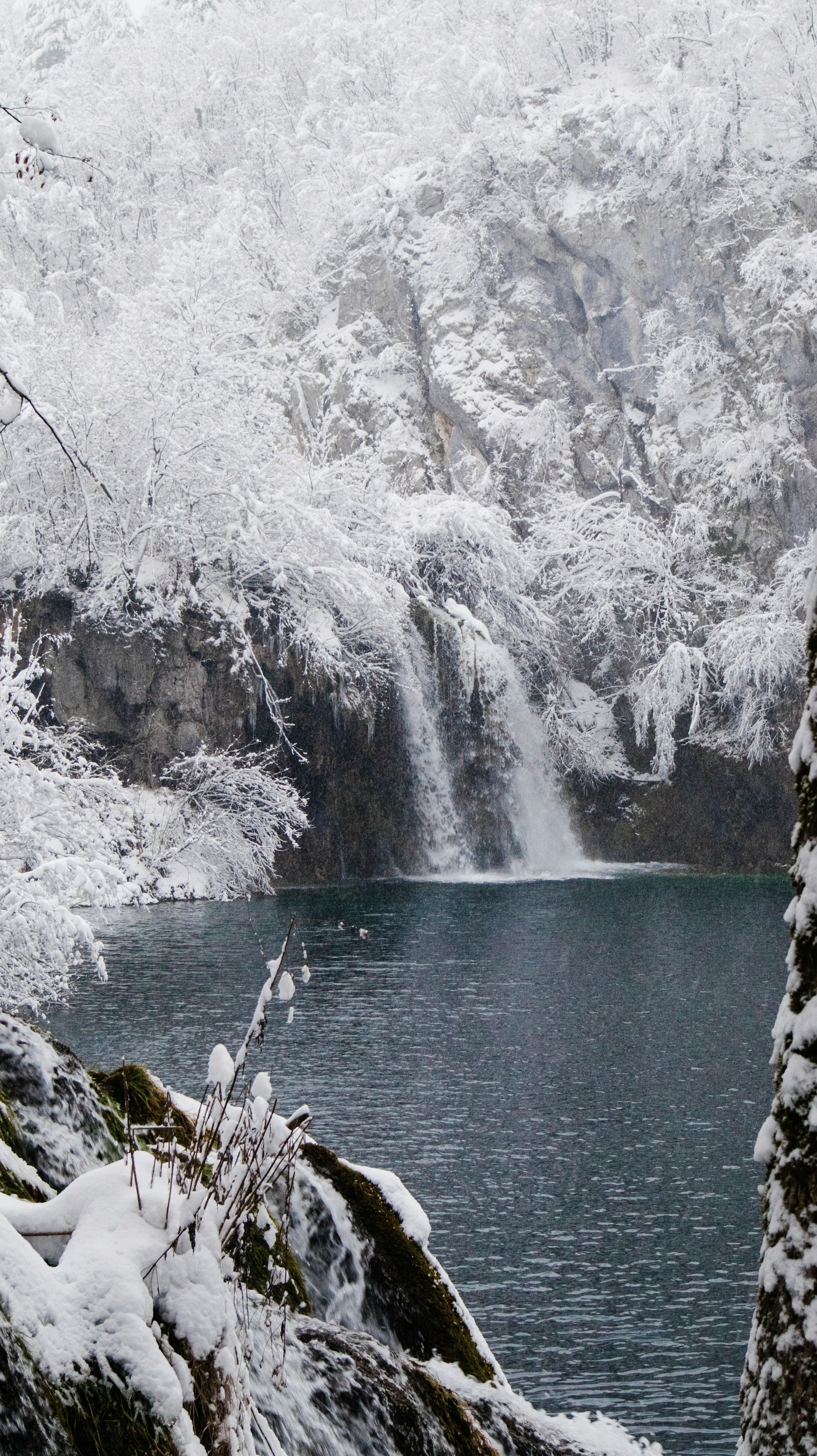
There is a version of Plitvice Lakes that most visitors never see — a silent, snow-covered landscape where waterfalls freeze into sculptural ice formations, the turquoise lakes steam in the cold air, and the only footprints on the boardwalks are your own. Winter at Plitvice is an entirely different experience from the summer postcard imagery, and for many visitors, it's the most magical.
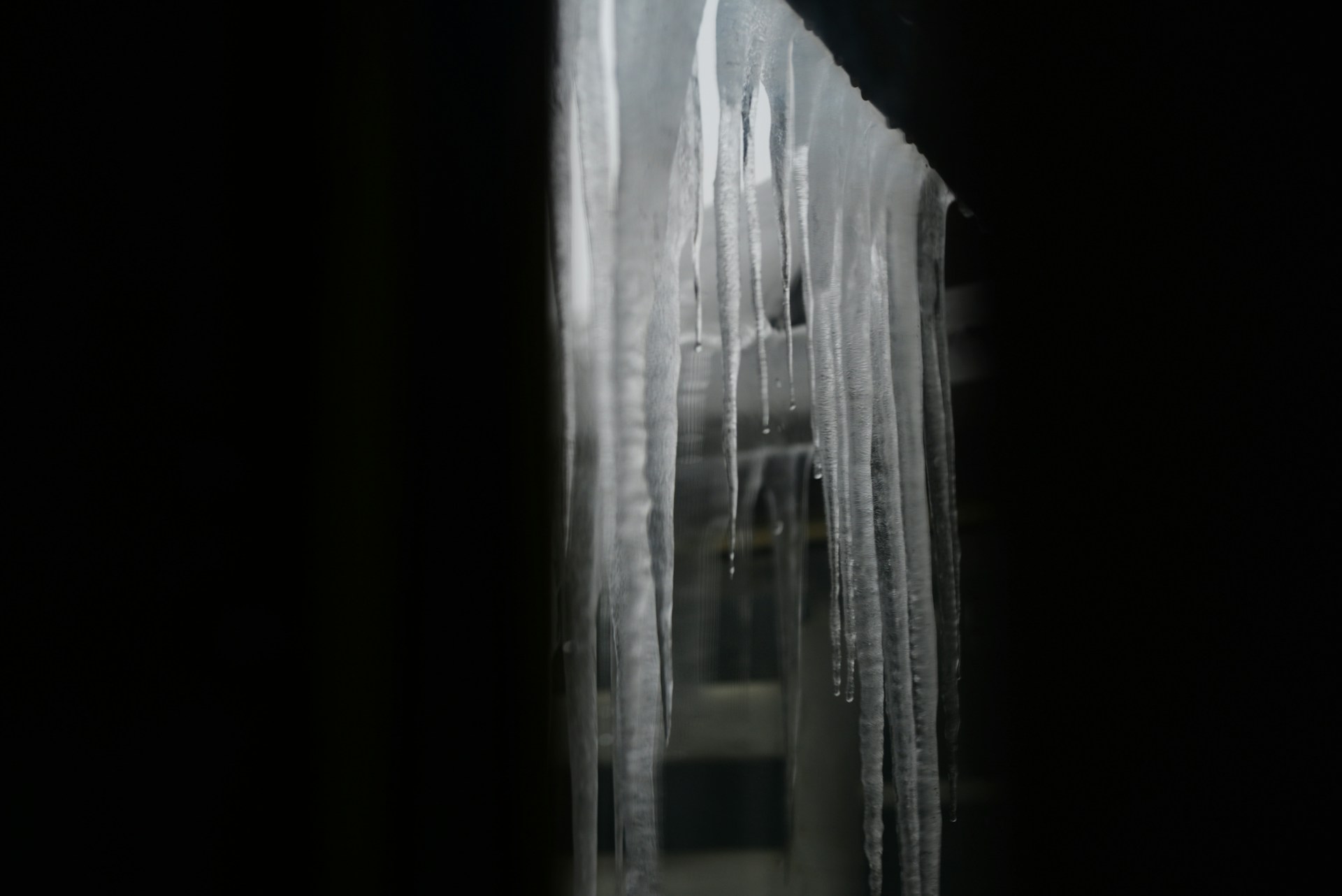
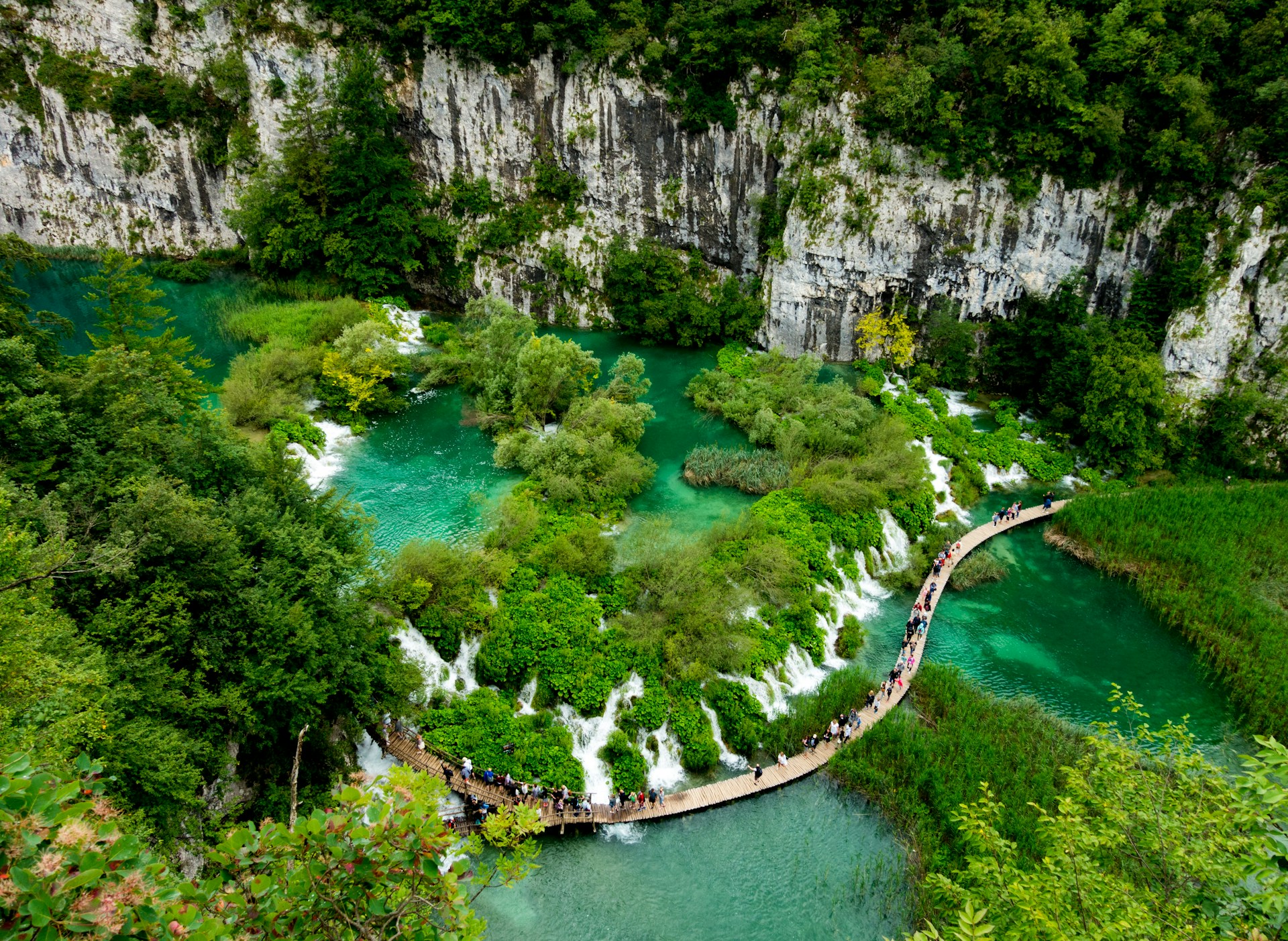
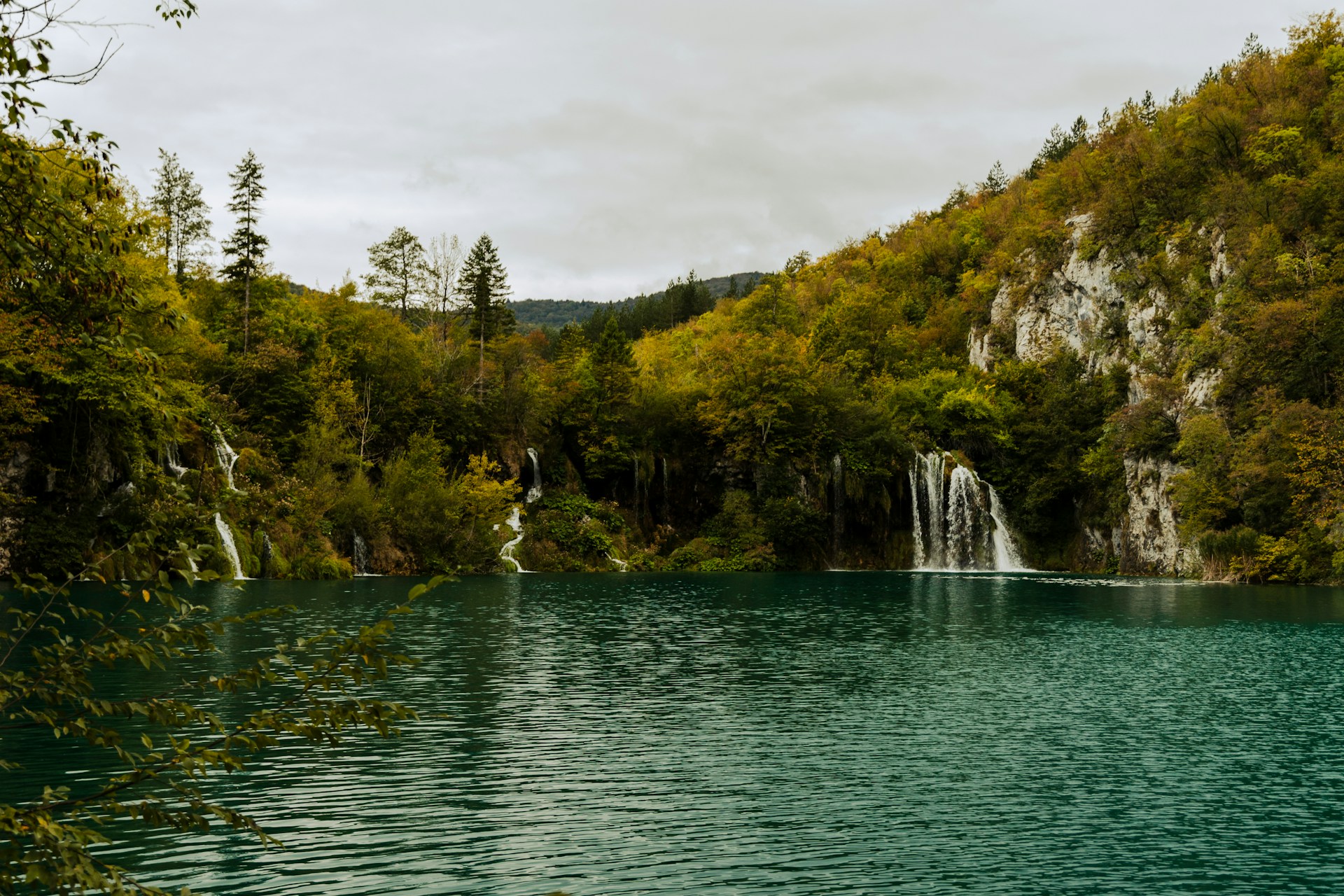
From December through February, the park enters its quietest season. Visitor numbers drop to a fraction of summer levels, ticket prices sit at the annual minimum of €10, and the forests take on a stark, monochromatic beauty that is both peaceful and dramatic. The trade-offs are real — shorter days, cold temperatures, limited trail access, and closed facilities — but for those willing to dress warmly and embrace the conditions, winter Plitvice is unforgettable.
This guide provides everything you need to plan a winter visit: detailed weather data, what to expect from the trails and facilities, photography strategies, essential packing, and tips to make the most of the park's quietest, most atmospheric season.
Weather & Climate in Winter (December–February)
Plitvice's inland, elevated position (500–640 meters) means genuine winters with snow, ice, and sub-zero temperatures. The continental-mountain climate delivers conditions significantly colder than coastal Croatia.
December
December marks the start of true winter. Average highs are around 5 °C (41 °F), with lows dropping to -2 °C (28 °F) overnight. Snow begins to accumulate, particularly in the second half of the month, and the first ice formations appear on smaller waterfalls and travertine barriers. Precipitation averages 80–100 mm (falling as rain or snow) across 12–14 days. Daylight is limited — sunrise around 7:30 AM, sunset by 4:15 PM — giving you roughly 8.5 hours of usable light.
January
January is the coldest month. Average highs reach only 4 °C (39 °F), and lows regularly hit -4 °C (25 °F), with occasional dips below -10 °C during cold snaps. Snowfall is frequent, and accumulation of 20–40 cm on the ground is common. The waterfalls display their most dramatic ice formations in January — some smaller cascades freeze almost entirely, while Veliki Slap and the major falls develop enormous icicle curtains. Rainfall/snowfall averages 70–90 mm across 11–13 days.
February
February begins to show the first signs of the thaw, though winter still has a firm grip. Average highs inch up to 6 °C (43 °F), with lows around -3 °C (27 °F). Snow cover begins to thin on lower paths, but the Upper Lakes area remains firmly in winter conditions. Days grow noticeably longer — by late February, you have about 10.5 hours of daylight. Late February can bring a mix of snow, rain, and even brief warm spells that create dramatic melt-and-freeze cycles on the waterfalls.
Summary table:
| Month | Avg High | Avg Low | Precipitation | Snow Cover |
|---|---|---|---|---|
| December | 5 °C | -2 °C | ~90 mm | Common |
| January | 4 °C | -4 °C | ~80 mm | Heavy |
| February | 6 °C | -3 °C | ~75 mm | Moderate |
Crowds & Ticket Prices
Winter is the most affordable and least crowded time to visit Plitvice Lakes. If budget and solitude are your priorities, this is the season.
Ticket Prices (2026)
- December–February: €10 per adult — the lowest tier available. Children (7–17) pay €5; under-7s enter free.
- At one-quarter the price of a summer ticket (€40), winter represents extraordinary value. A family of four saves over €100 compared to a July visit.
Timed-entry tickets are still required but are rarely a constraint — slots almost never sell out in winter. You can often purchase tickets on arrival, though online booking is still recommended for guaranteed access.
Crowd Levels
- December: Very low. The park sees only a small fraction of its summer visitors. You may share the Lower Lakes boardwalk with just a dozen other people on a weekday.
- January: Very low — the quietest month of the year. Entire sections of the accessible trails can feel completely private.
- February: Very low, with a slight uptick during school half-term holidays in some European countries.
Holiday exception: The week between Christmas and New Year's brings a modest spike in visitors (both domestic and international), but "busy" in winter Plitvice terms still means fewer people than a quiet October weekday.
What to See & Do
Frozen Waterfalls and Ice Formations
Winter's defining spectacle at Plitvice is the transformation of the park's waterfalls into extraordinary ice sculptures. The process is gradual: as temperatures drop below freezing, spray from the cascades forms icicles on surrounding rocks and vegetation. Over weeks of sustained cold, these icicles grow into massive curtains, columns, and frozen cascades.
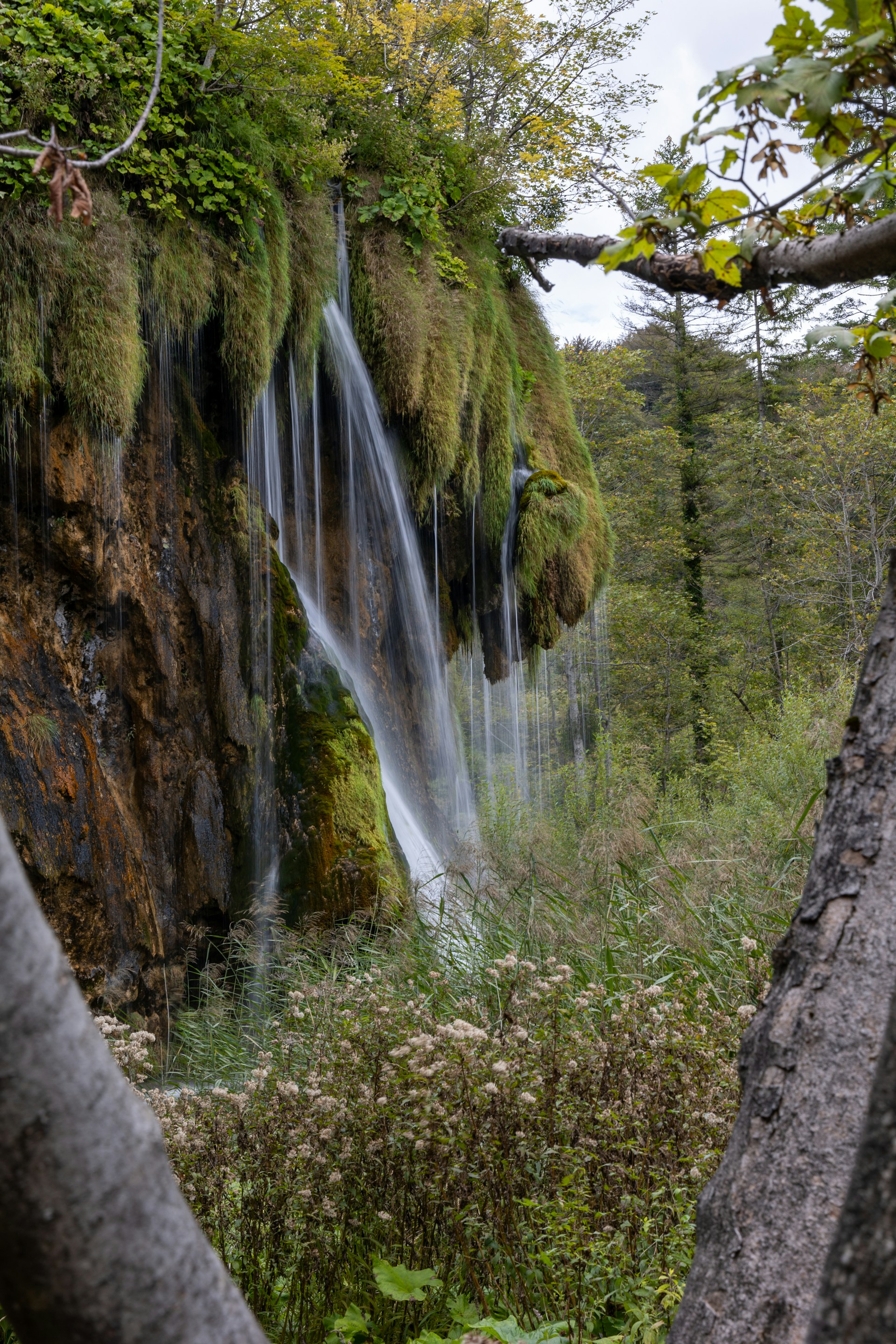
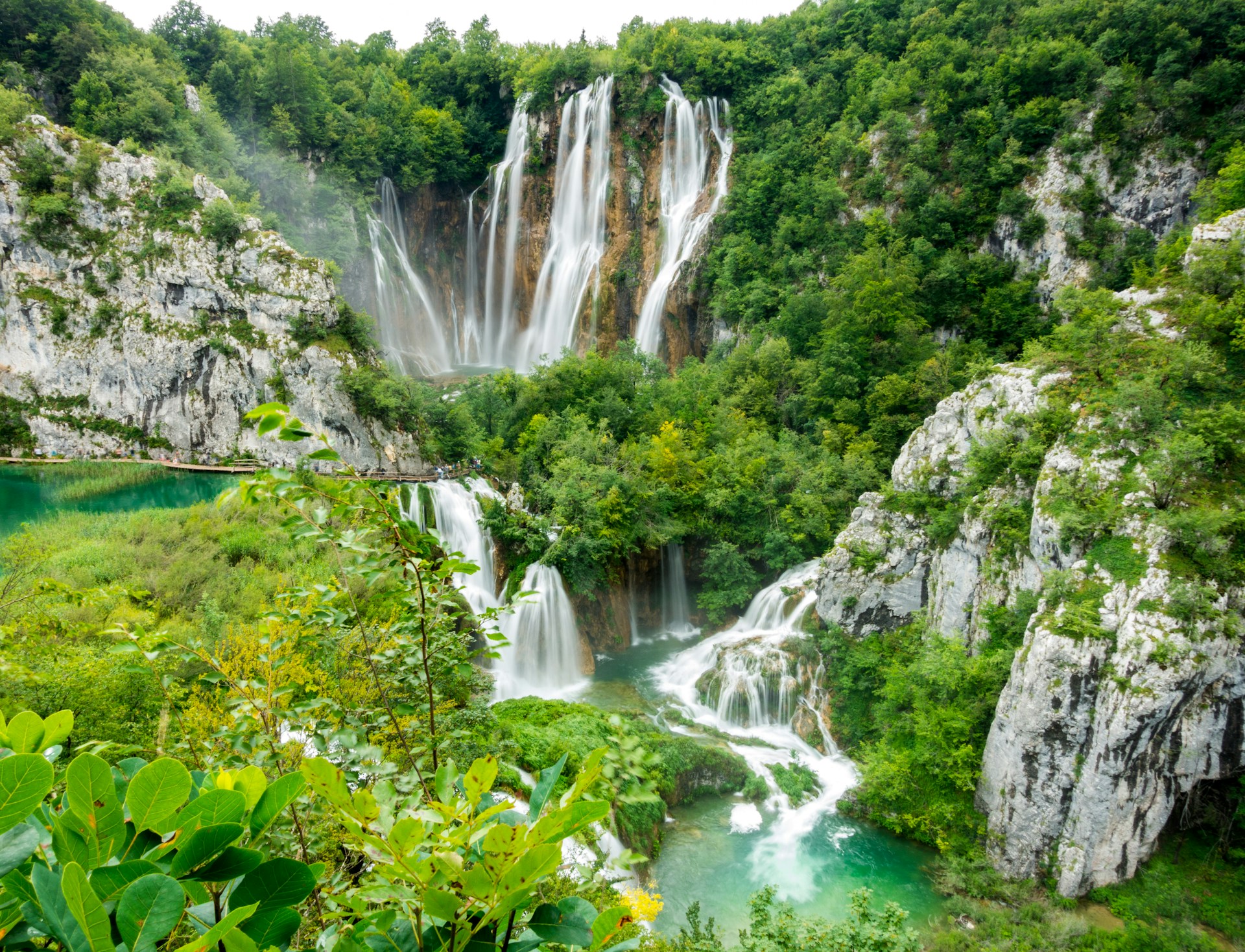
Veliki Slap (the Great Waterfall, 78 meters) rarely freezes completely — the volume is too great — but it develops dramatic ice framing around its edges, creating a visual contrast of flowing water surrounded by frozen sculptures. Smaller cascades in both the Upper and Lower Lakes do freeze entirely, turning into surreal blue-white ice walls.
The travertine barriers between lakes develop ice shelves and frozen drip formations that look like nature's own architecture. These details are unique to winter and impossible to see at any other time of year.
Accessible Trails in Winter
Not all of Plitvice's trails are open in winter. The park restricts access based on safety conditions — snow and ice on boardwalks create genuine hazards.
Typically open in winter:
- The Lower Lakes circuit (Routes A and B): The core experience, including the boardwalks along the lower cascades and the viewpoint at Veliki Slap. These paths are maintained and kept passable in most conditions.
- Select viewpoints: Key overlooks above the Lower Lakes canyon are usually accessible.
Typically closed in winter:
- Upper Lakes boardwalks: Snow accumulation and ice make these narrow boardwalks dangerous. Access is restricted from roughly December through March.
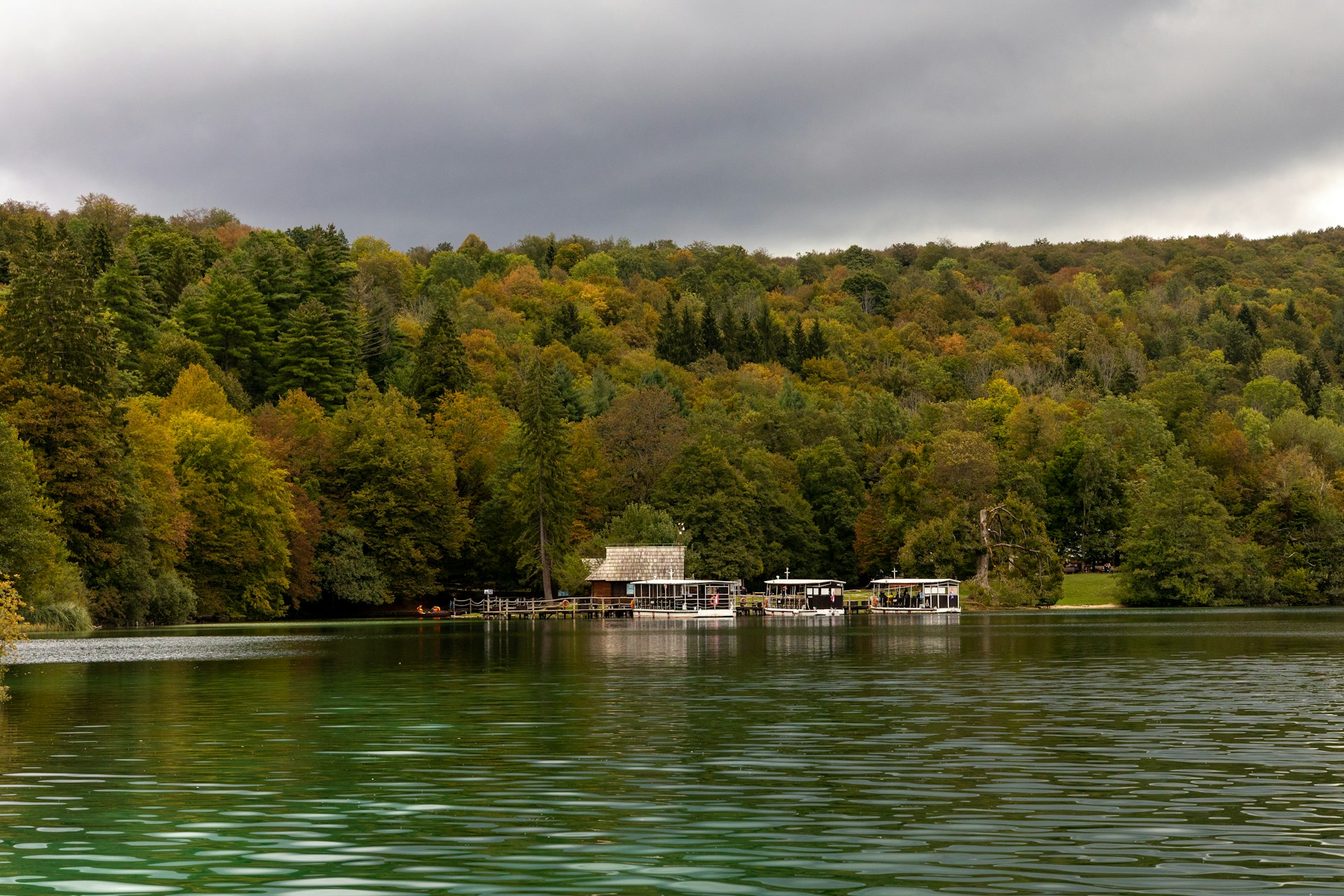
- Lake Kozjak boat service: Suspended for the season (typically November through mid-April).
- Panoramic train: May operate on a reduced schedule or be suspended depending on conditions.
Important: Trail availability changes day by day based on weather. Always check the official park website or call the visitor center on the morning of your visit.
The Plitvice Marathon (December)
Each December, the park hosts the Plitvice Lakes Marathon and Half-Marathon, typically held in the first or second weekend of the month. Runners follow a course through the surrounding forest and village roads (not the boardwalks). It's a small, scenic race that attracts runners from across Croatia and Europe. Even if you're not running, it's a lively atmosphere and a unique reason to visit in early December.
Surrounding Area in Winter
The Lika region embraces winter. Nearby activities include:
- Cross-country skiing in the fields and forest roads around the park
- Snowshoeing in the surrounding hills (equipment rental available in local villages)
- Traditional Lika cuisine — winter is the season for hearty lamb dishes, bean stews, and warming rakija (fruit brandy) at local taverns
- The charming village of Rastoke is quieter in winter but still beautiful, with its waterfalls occasionally developing ice formations of their own
Photography Opportunities
Winter at Plitvice is a paradise for photographers seeking something extraordinary. The frozen landscape offers compositions that are impossible at any other time of year.
Top winter shots:
- Frozen cascade close-ups — The ice formations on the travertine barriers are endlessly varied: translucent icicles, layered ice shelves, and frozen spray patterns that look like abstract art. A macro lens reveals stunning detail.
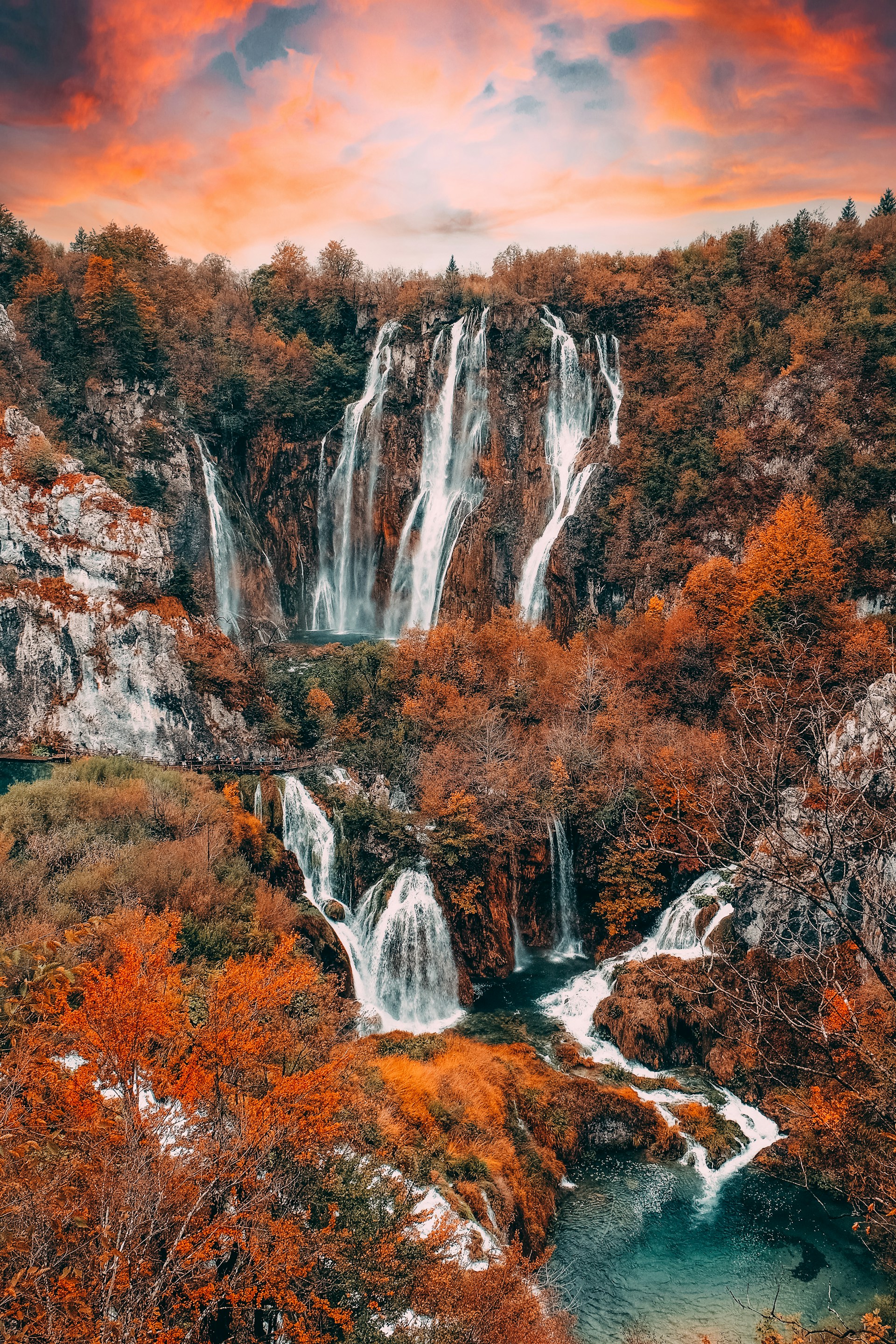
- Veliki Slap in ice — The Great Waterfall flowing through a frame of massive icicles is Plitvice's definitive winter image. Best captured on overcast days when the ice glows blue-white without harsh shadows.
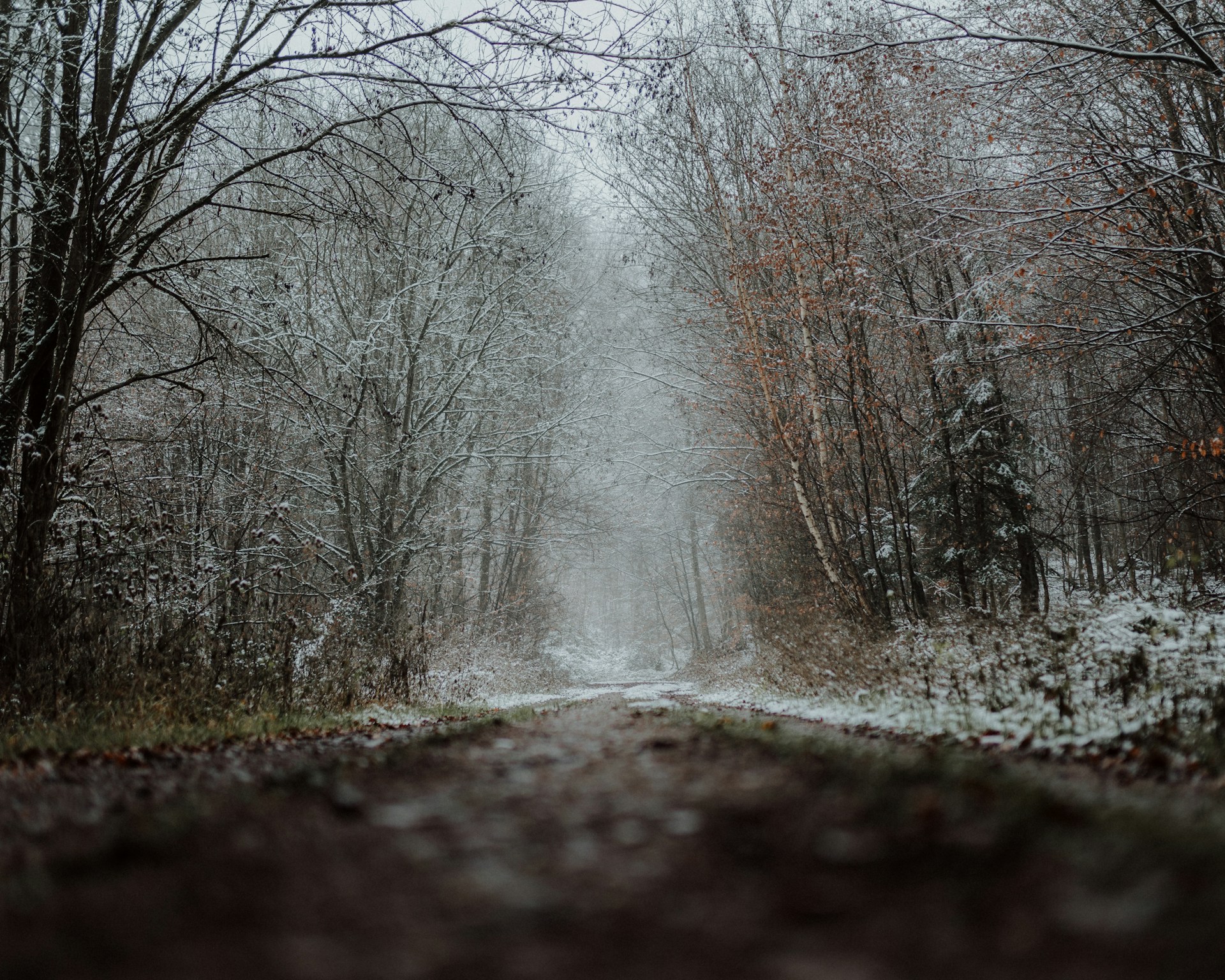
- Snow-covered boardwalks — The wooden boardwalks dusted with fresh snow, winding through bare winter trees, make for compelling leading-line compositions.
- Steaming lakes — On very cold mornings, the lake surface steams as warmer water meets frigid air. Combined with snow-covered banks, this creates an ethereal, otherworldly atmosphere.
- Minimalist landscapes — Bare branches, white snow, and turquoise water reduce the scene to essential elements — perfect for clean, modern landscape compositions.
Technical tips: Bring extra batteries (cold drains them fast — keep spares warm in your pocket). A polarizing filter cuts ice glare. Overexpose by +0.5 to +1.0 EV to compensate for snow (cameras tend to underexpose snowy scenes). A sturdy tripod is essential for the low-light conditions of winter's short days.
What to Wear & Pack
Winter at Plitvice requires serious cold-weather preparation. Temperatures below -5 °C are common, boardwalks are icy, and you'll be outdoors for several hours.
Clothing (layering system):
- Base layer: Merino wool or synthetic thermal top and leggings
- Mid-layer: Fleece jacket or insulated vest
- Outer layer: Waterproof, windproof winter jacket (insulated or with a down layer underneath)
- Legs: Insulated hiking trousers or thermals under waterproof outer trousers
- Feet: Waterproof insulated hiking boots — ideally with ice-grip soles or crampons/ice cleats that strap over boots (the boardwalks can be dangerously icy)
- Head/hands: Warm beanie, insulated waterproof gloves, scarf or balaclava
Essential gear:
- Trekking poles with snow baskets for stability on icy paths
- Crampon-style ice cleats (slip-on spikes) — highly recommended for boardwalk safety
- Thermos with hot drink
- High-energy snacks (chocolate, nuts, energy bars)
- Hand warmers (disposable or rechargeable)
- Extra camera batteries in an inside pocket
- Headlamp — winter daylight is short, and you may finish your visit in twilight
Pros & Cons of Visiting in Winter
Pros
- Lowest ticket prices — €10 per adult, the best value of any season
- Near-total solitude — experience the park almost privately
- Unique frozen landscapes — ice formations on waterfalls and travertine you can't see at any other time
- Extraordinary photography — dramatic, unique compositions
- No booking stress — tickets rarely sell out
- Authentic atmosphere — the park feels wild and untouched
Cons
- Limited trail access — Upper Lakes and some boardwalks are closed
- No boat service — Lake Kozjak crossing suspended
- Very short days — only 8–10 hours of daylight
- Genuine cold — temperatures regularly below freezing
- Icy conditions — boardwalks can be treacherous without proper footwear
- Limited facilities — most cafés and shops inside the park are closed
- Weather-dependent — heavy snowfall may close the park entirely on rare occasions
Tips & Recommendations
Check trail status before driving. Call the park visitor center or check the official website the morning of your visit. Heavy snow or ice storms occasionally close the park entirely, and you don't want to drive two hours to find a locked gate.
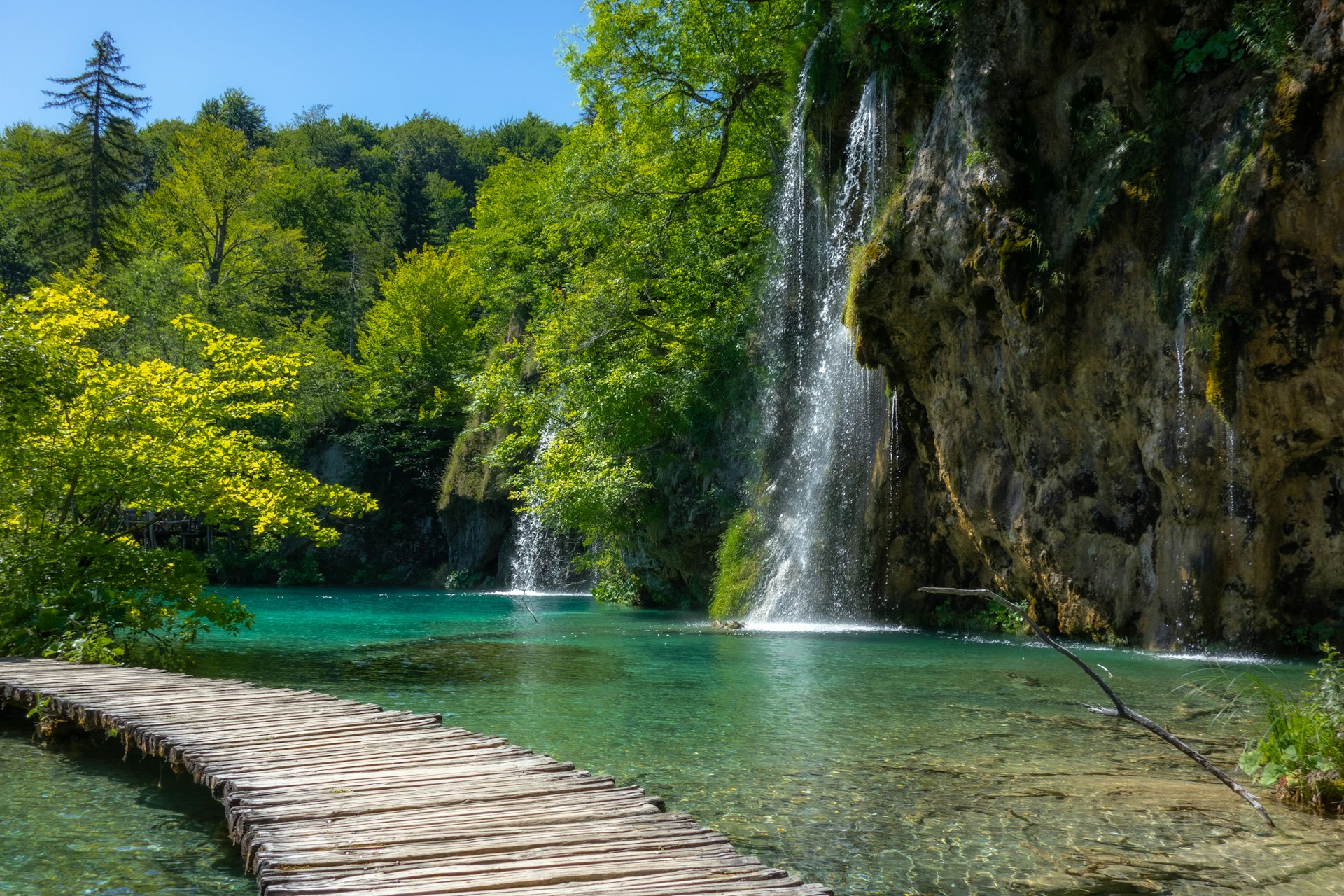
Winter visitors enjoy a quieter, more peaceful park experience. Photo by Ilse on Unsplash Invest in ice cleats. These strap-on traction devices (Yaktrax, Kahtoola Microspikes, or similar) cost €15–30 and make an enormous difference on icy boardwalks. They turn a nerve-wracking shuffle into a confident walk.
Arrive mid-morning. Unlike summer, there's no need to race to opening. Winter crowds are minimal, and the late-morning sun (10:00–11:00 AM) provides the best light as it angles into the Lower Lakes canyon.
Use Entrance 1 for the most efficient winter visit. Since the Upper Lakes and boat service are typically closed, Entrance 1 gives you direct access to the open Lower Lakes circuit and Veliki Slap.
Allow 2–3 hours. With limited trail access, a winter visit is shorter than summer. The Lower Lakes circuit takes 1.5–2.5 hours at a comfortable pace. Add time for photography stops.
Bring all your own food and hot drinks. Most facilities inside the park close in winter. A thermos of hot tea or coffee and some snacks make a huge difference to comfort and morale.
Drive carefully. Roads to Plitvice can be icy and snow-covered in winter. Winter tires are legally required in Croatia from November 15 to April 15. If renting a car, confirm it has winter tires.
Combine with a warm lunch in the area. After your park visit, head to a local restaurant in Korenica, Slunj, or Rakovica for traditional Lika cuisine — lamb under peka, bean stew, and warming rakija are the perfect antidote to a cold morning in the park.
Frequently Asked Questions
Does Plitvice Lakes close in winter?
No — the park is open year-round, including through winter. However, operating hours are shorter (typically 8:00 AM to 4:00 PM), and access is limited to the Lower Lakes circuit and select viewpoints. On rare occasions, extreme weather (heavy snowstorms) may force temporary closure.
Do the waterfalls freeze completely?
Smaller cascades and travertine barriers can freeze entirely during sustained cold spells in January. The major waterfalls, including Veliki Slap, don't freeze completely due to their high water volume, but they develop spectacular ice formations around their edges.
Is it safe to walk on the boardwalks in winter?
The park maintains the open boardwalks and applies grit/salt when conditions require it, but ice is always a possibility. Proper winter footwear with good grip is essential, and strap-on ice cleats are strongly recommended. Walk slowly and use trekking poles for stability.
Can I still take the boat across Lake Kozjak?
No. The electric boat service is suspended from approximately November through mid-April. In winter, you are limited to the Lower Lakes circuit accessible from Entrance 1.
Is winter worth it if I can't see the Upper Lakes?
Yes. The Lower Lakes and Veliki Slap are Plitvice's most dramatic features, and they're at their most unique in winter. The frozen ice formations, snow-covered landscape, and complete solitude create an experience that summer visitors simply don't get to have. Many repeat visitors say their winter trip was the most memorable.
What if it's raining instead of snowing?
Winter rain at Plitvice is cold and persistent, making the visit less pleasant than a snowy day. If the forecast shows rain, consider rescheduling by a day if possible. That said, the park is still beautiful in the rain — the waterfalls are more powerful, and the wet surfaces reflect beautifully. Just bring full waterproof gear.