Plitvice Lakes Wildlife & Nature Guide: Bears, Birds, Flora & Travertine
Plitvice Lakes National Park isn't just about waterfalls and turquoise water. Beneath the postcard-perfect surface lies one of Europe's most important biodiversity reserves — a UNESCO World Heritage Site since 1979, recognised not only for its extraordinary geology but for the sheer richness of life it protects.
Spanning nearly 30,000 hectares of dense forest, mountain meadows, underground cave systems, and 16 interconnected lakes, Plitvice shelters an astonishing range of species. Brown bears, wolves, and Eurasian lynx — Europe's three largest predators — all maintain viable populations within the park's boundaries, a distinction shared by very few protected areas on the continent. Over 160 bird species breed or migrate through the park. More than 1,400 plant species have been recorded, including dozens of endemic and rare varieties found nowhere else in Croatia.
What makes Plitvice unique among European national parks is the interplay between its living ecosystems and its geology. The travertine barriers that create the famous cascading lakes are themselves the product of biological processes — built by mosses, algae, and bacteria over thousands of years. Nature here isn't just scenery. It's the architect.
This guide covers every aspect of Plitvice's natural world — large mammals, birds, flora, aquatic life, and the geological forces that shape the landscape — along with practical advice for spotting wildlife and respecting the ecosystem that makes it all possible.
Large Mammals: Bears, Wolves, Lynx & More
Plitvice Lakes is one of the few places in Europe where all three major predators — brown bear, grey wolf, and Eurasian lynx — coexist in a single protected area. The park's vast tracts of old-growth beech and fir forest provide critical habitat, and strict protection since 1949 has allowed populations to recover from centuries of hunting pressure.
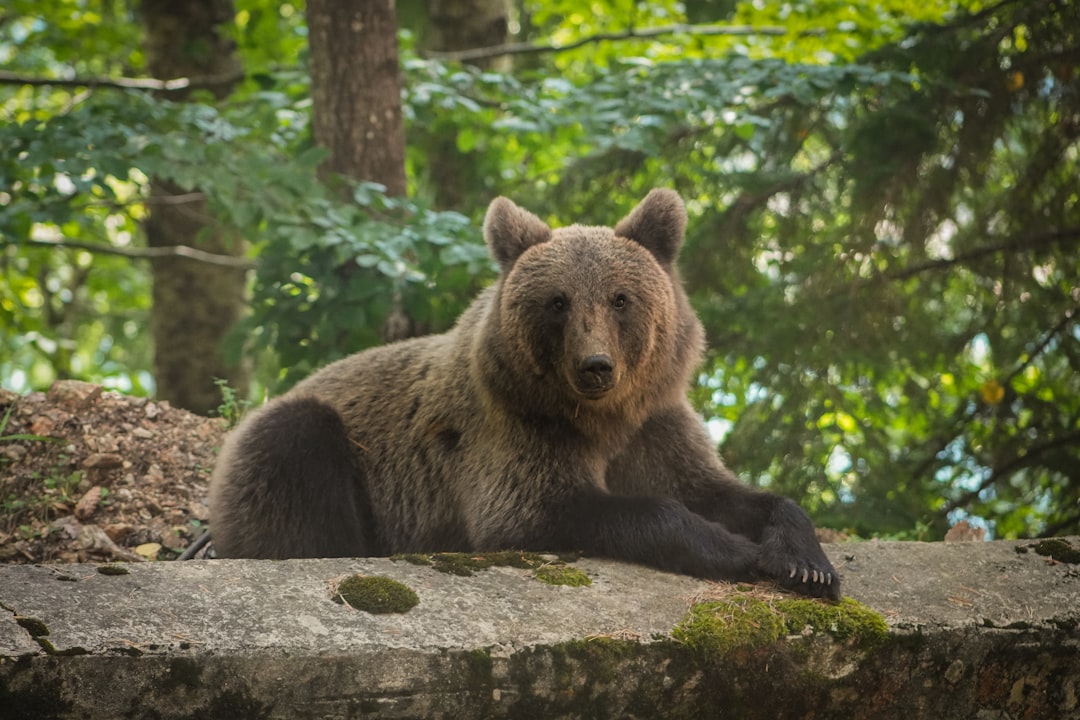
Brown Bears (Ursus arctos)
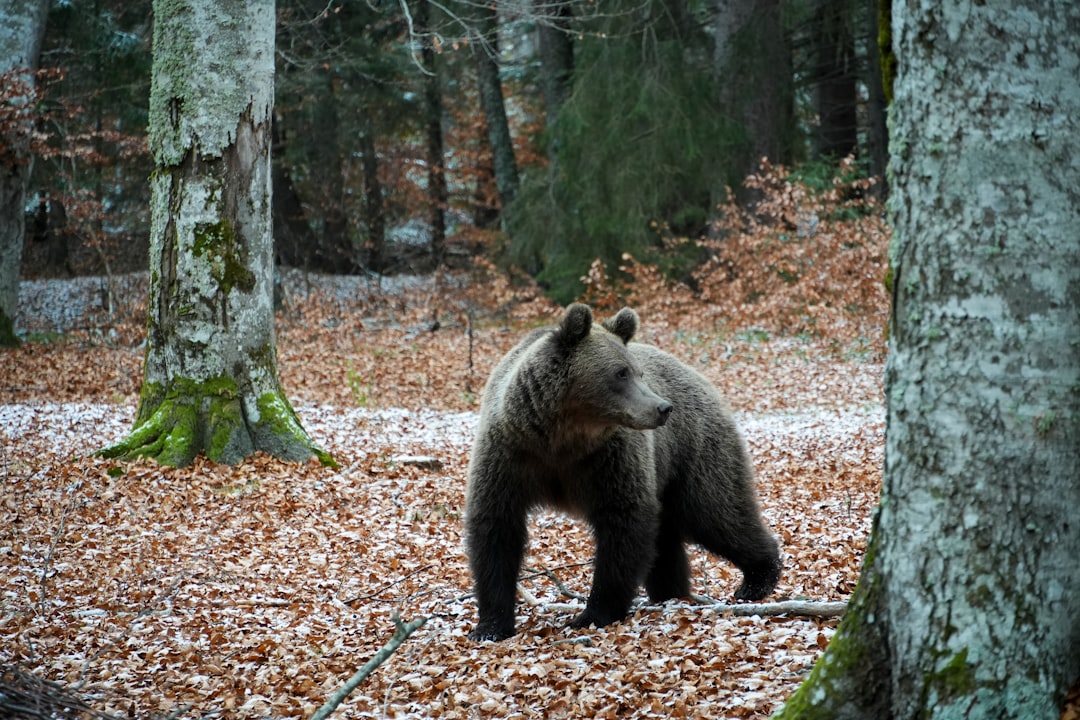
Plitvice is home to an estimated 40–60 brown bears, part of the larger Dinaric-Pindos population that ranges across Croatia, Slovenia, and Bosnia. These are European brown bears — smaller than their North American grizzly cousins, with adults typically weighing 150–350 kg.
Bears in Plitvice are shy and overwhelmingly avoid human contact. Sightings along the main tourist boardwalks are exceptionally rare. Most bear activity occurs deep in the forest, away from trails, particularly at dawn and dusk. Your best chance of spotting evidence of bears is along the quieter forest trails in the Upper Lakes area — look for claw marks on beech trees, overturned logs where bears have been foraging for insects, and distinctive five-toed tracks in soft mud.
Bear safety: The park has never recorded a bear attack on a visitor. However, standard protocols apply. Make noise on forest trails to avoid surprising a bear. Never approach, follow, or attempt to feed wildlife. If you encounter a bear at a distance, stop, remain calm, and back away slowly. Store food securely and dispose of waste in designated bins — bears have an extraordinary sense of smell and are attracted to human food.
Grey Wolves (Canis lupus)
A small number of wolf packs — estimated at 2–3 packs comprising 10–20 individuals — use Plitvice's forests as part of their territory, though wolves range widely and move in and out of park boundaries. Wolves are the most elusive of Plitvice's large predators. They are almost never seen by visitors, and confirmed sightings even by park rangers are infrequent.
Their presence is more often detected through tracks in winter snow, howling at dusk (occasionally heard from the Upper Lakes area between November and February), and trail camera footage. Wolves in Plitvice primarily prey on red deer and roe deer, playing a vital ecological role in controlling herbivore populations and preventing overgrazing of the forest understorey.
Eurasian Lynx (Lynx lynx)
The Eurasian lynx is the rarest and most secretive of Plitvice's large predators. Only an estimated 5–10 individuals inhabit the park, making any sighting extraordinarily lucky. Lynx are solitary, nocturnal, and supremely camouflaged — their spotted golden-brown fur blends perfectly into the dappled forest floor.
Lynx primarily hunt roe deer and hares. Their presence is confirmed almost exclusively through camera traps and occasional track evidence in snow. If you are exceptionally fortunate, the best window for a lynx sighting is during twilight hours in winter, when prey activity forces them into more open areas.
Deer & Wild Boar
More commonly seen than the large predators are Plitvice's ungulates. Red deer (Cervus elaphus) are the largest herbivores in the park, with stags weighing up to 250 kg. During the autumn rut (September–October), the bellowing of stags echoes through the valleys — an unforgettable sound best heard at dawn from trails near Prošćansko Jezero. Roe deer (Capreolus capreolus) are smaller, more numerous, and more frequently spotted, especially in forest clearings at the park's edges during early morning.
Wild boar (Sus scrofa) are abundant throughout Plitvice but largely nocturnal. You're more likely to see their rooting damage — churned-up patches of earth along trail edges — than the animals themselves. Female groups with piglets occasionally appear near quieter trails in spring and early summer.
Wildlife safety tips:
- Maintain at least 100 metres distance from all large mammals
- Never feed any animal — it changes behaviour and endangers both wildlife and visitors
- Keep to marked trails — wandering off-path disturbs habitat and increases encounter risk
- In the unlikely event of a close encounter with any large mammal, do not run — back away slowly and make yourself appear large
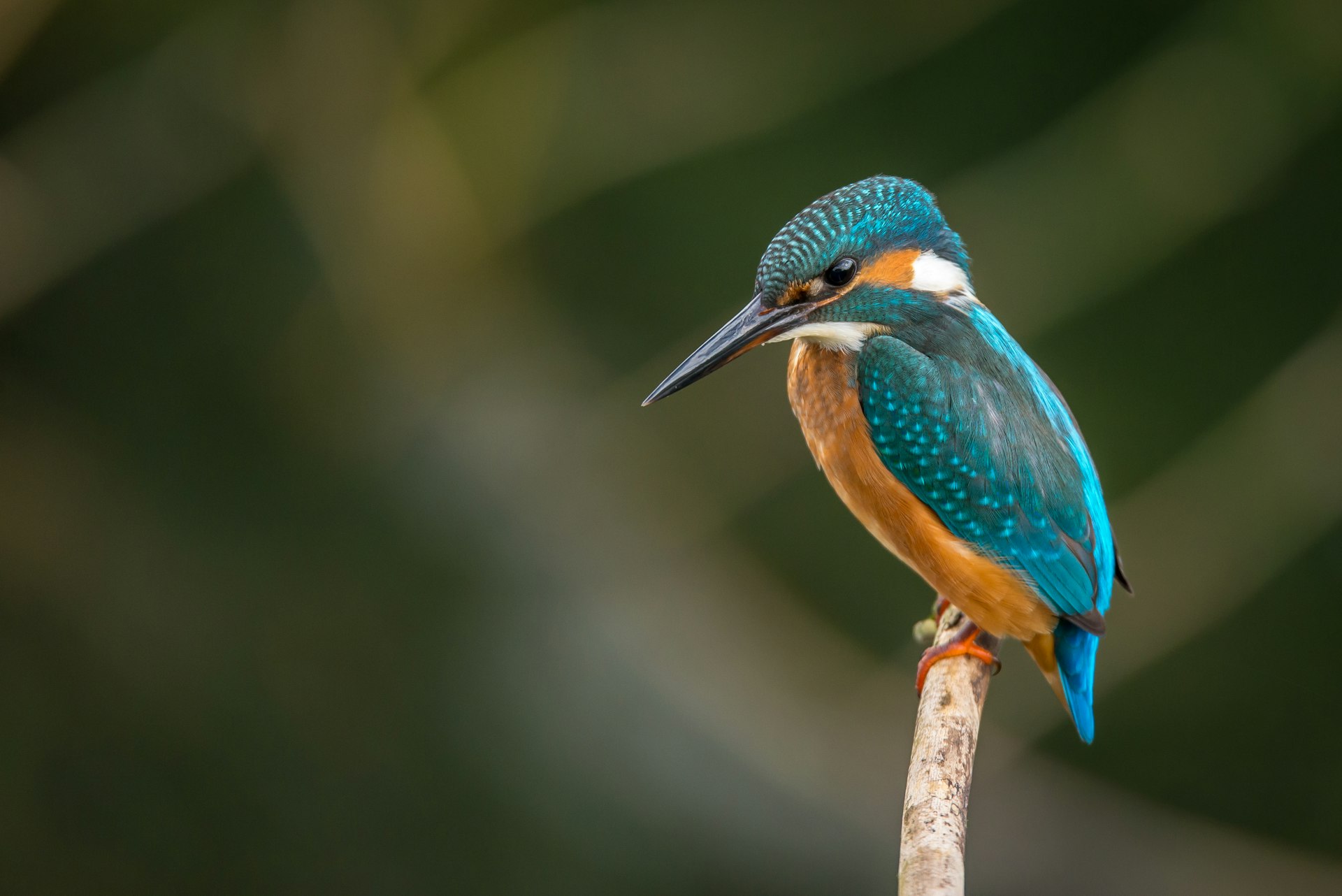
Birds: Over 160 Species in One Park
Plitvice Lakes is a premier birdwatching destination in southeastern Europe. The park's combination of old-growth forest, lake margins, wetland meadows, and limestone cliffs creates an unusually diverse range of habitats, supporting over 160 documented bird species — roughly 70 of which breed within the park.
Raptors
The undisputed star of Plitvice's skies is the golden eagle (Aquila chrysaetos), which nests on the remote cliff faces above the Upper Lakes. Sightings are uncommon but spectacular — watch for their broad, dark silhouette soaring on thermals above the treeline, particularly in spring and early summer when they are most active defending territory and feeding young.
Peregrine falcons (Falco peregrinus) also nest on the park's limestone bluffs. These fastest of all birds can reach diving speeds exceeding 300 km/h, and their hunting stoops over the lakes are among the most dramatic spectacles in European birding.
Other raptors include the common buzzard, sparrowhawk, goshawk, and the honey buzzard, all regularly seen circling above forest clearings.
Owls
Plitvice's old-growth forests, rich in natural tree cavities, support several owl species. The Ural owl (Strix uralensis) — a large, powerful owl with a wingspan exceeding one metre — is the most notable. Listen for its deep, resonant hooting at dusk around the beech forests of the Upper Lakes. The tawny owl, eagle owl (Bubo bubo — Europe's largest owl), and the tiny pygmy owl are also present.
Woodpeckers
The park hosts at least 7 woodpecker species, including the impressive black woodpecker (Dryocopus martius) — the largest woodpecker in Europe, nearly the size of a crow. Its loud, laughing call and dramatic drumming are unmistakable in the old beech-fir forests. The white-backed woodpecker, an indicator species of healthy old-growth forest, is a particular prize for visiting birders. Other species include the great spotted, middle spotted, lesser spotted, grey-headed, and green woodpecker.
Waterbirds & Songbirds
Along the lake margins, look for grey herons, white wagtails, dippers (small, dark birds that walk underwater on stream beds to catch invertebrates), and kingfishers — a flash of electric blue along the shoreline. In the forest canopy, listen for the flute-like song of the golden oriole in summer, the rapid-fire trill of firecrests, and the melodic phrases of song thrushes and blackcaps.
Best Birdwatching Spots & Seasons
- Prošćansko Jezero (Upper Lakes): Quieter, excellent for forest species — woodpeckers, owls, and raptors
- Kozjak Lake shoreline: Waterbirds, kingfishers, grey herons
- Forest trails between Upper and Lower Lakes: Mixed woodland species, golden oriole in summer
- Cliff edges above Veliki Slap: Peregrine falcons, golden eagles
Spring migration (April–May) is the peak season — breeding birds are singing, migrants are passing through, and activity is at its highest. Autumn (September–October) brings a second pulse of migration. Winter is quieter but rewards patience with views of resident owls, woodpeckers, and occasional winter visitors like waxwings and crossbills.
Flora & Trees: Ancient Forests and Endemic Plants
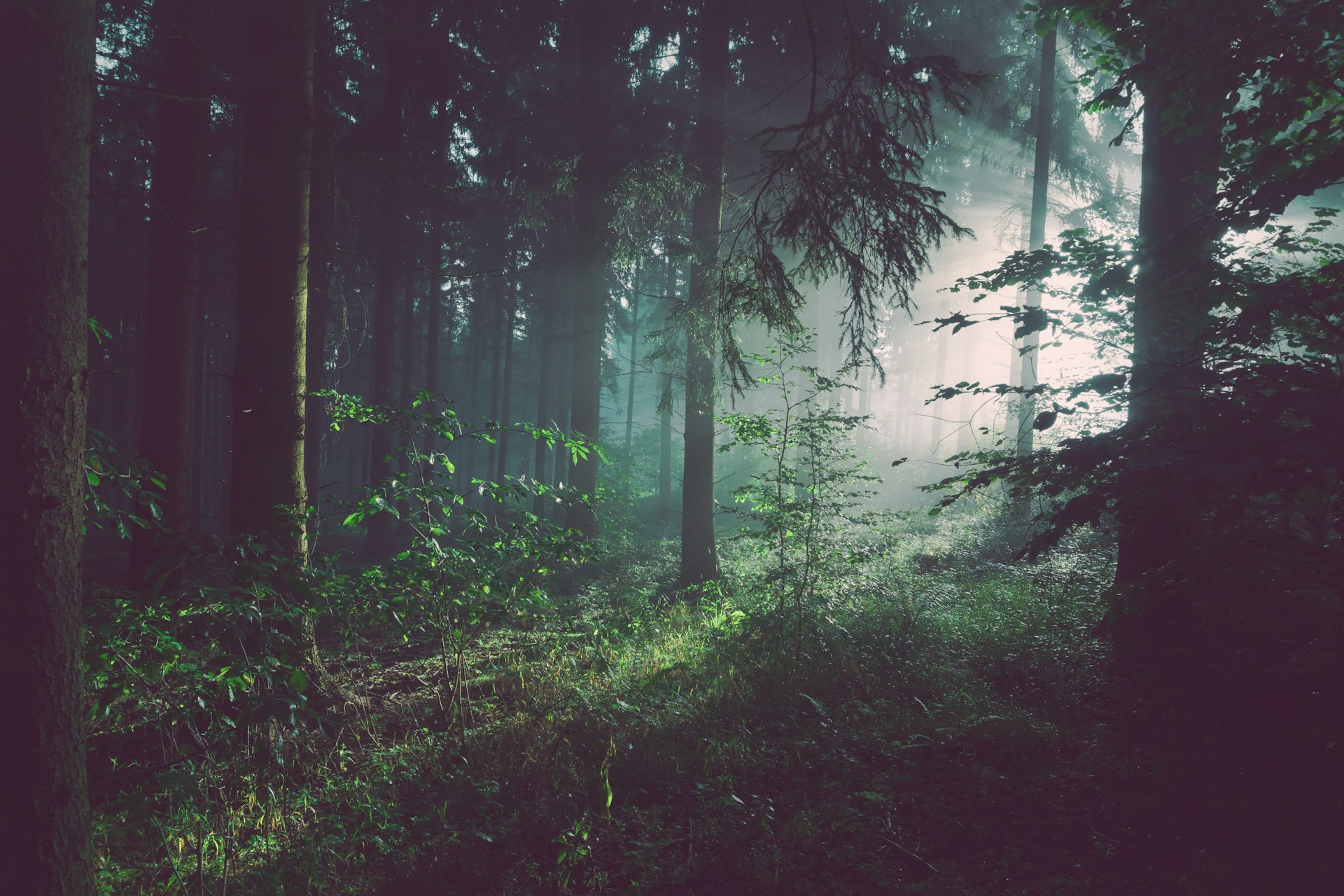
Plitvice Lakes is fundamentally a forest park. Over 75% of its area is covered in dense woodland — primarily European beech (Fagus sylvatica) and silver fir (Abies alba) — creating the towering, cathedral-like canopy that gives the park its distinctive character. These are not young, managed plantations. Much of Plitvice's forest qualifies as old-growth, with individual trees exceeding 40 metres in height and several centuries in age.

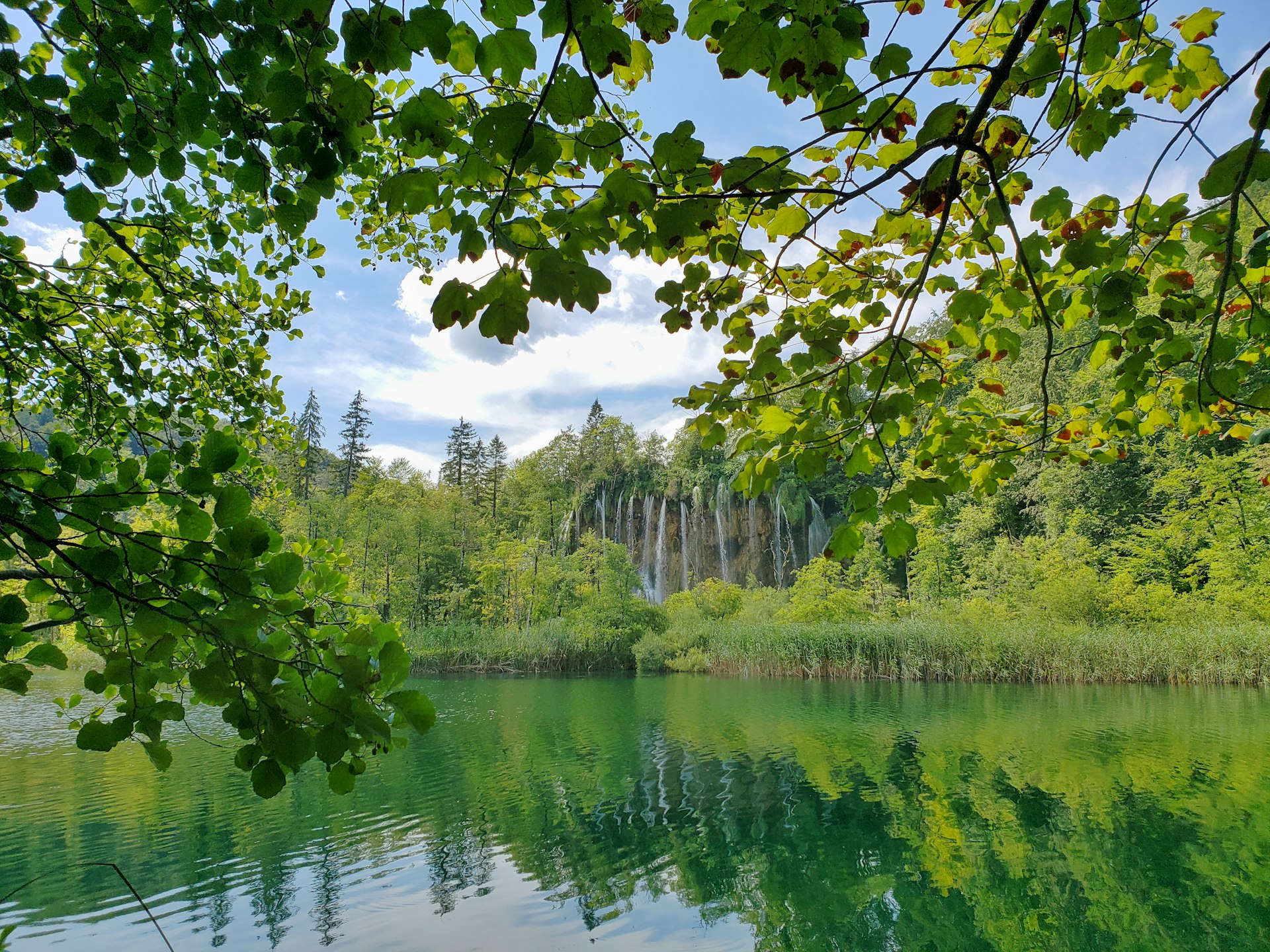
The Beech-Fir Forest
The dominant forest type is the Dinaric beech-fir association — one of the most important forest ecosystems in Europe. Beech dominates at lower elevations and on south-facing slopes, its smooth, silver-grey bark and dense canopy creating deep shade that limits understorey growth. Fir takes over at higher elevations and in north-facing ravines, its dark, conical silhouette adding vertical drama to the skyline.
Together, these species create a complex, multi-layered forest with enormous ecological value. Dead standing trees and fallen trunks are left in place — critical habitat for woodpeckers, beetles, fungi, and the countless organisms that drive nutrient cycling. This "natural messiness" is intentional; park management has long recognised that a living forest needs its dead wood.
Norway spruce (Picea abies) is present at higher elevations, while Scots pine and Austrian black pine appear on exposed limestone ridges and rocky outcrops. Along stream banks and lake margins, willows, alders, and ash trees create riparian corridors that stabilise shorelines and provide critical shade over streams.
Endemic and Rare Plants
Over 1,400 plant species have been recorded within the park, including at least 50 that are considered rare, endangered, or endemic to the Dinaric region. Notable species include several orchid varieties — over 20 orchid species grow in Plitvice's meadows and forest clearings — as well as the Plitvice violet and various endemic bellflowers (Campanula spp.) found on limestone rock faces.
The park's limestone substrate creates alkaline soil conditions that favour a distinctive flora. Lady's slipper orchid (Cypripedium calceolus) — one of Europe's most spectacular and endangered orchids — has been recorded in Plitvice's forests, though exact locations are understandably kept confidential to protect against collection.
Seasonal Changes
The forest transforms dramatically through the year, making Plitvice a fundamentally different visual experience in each season:
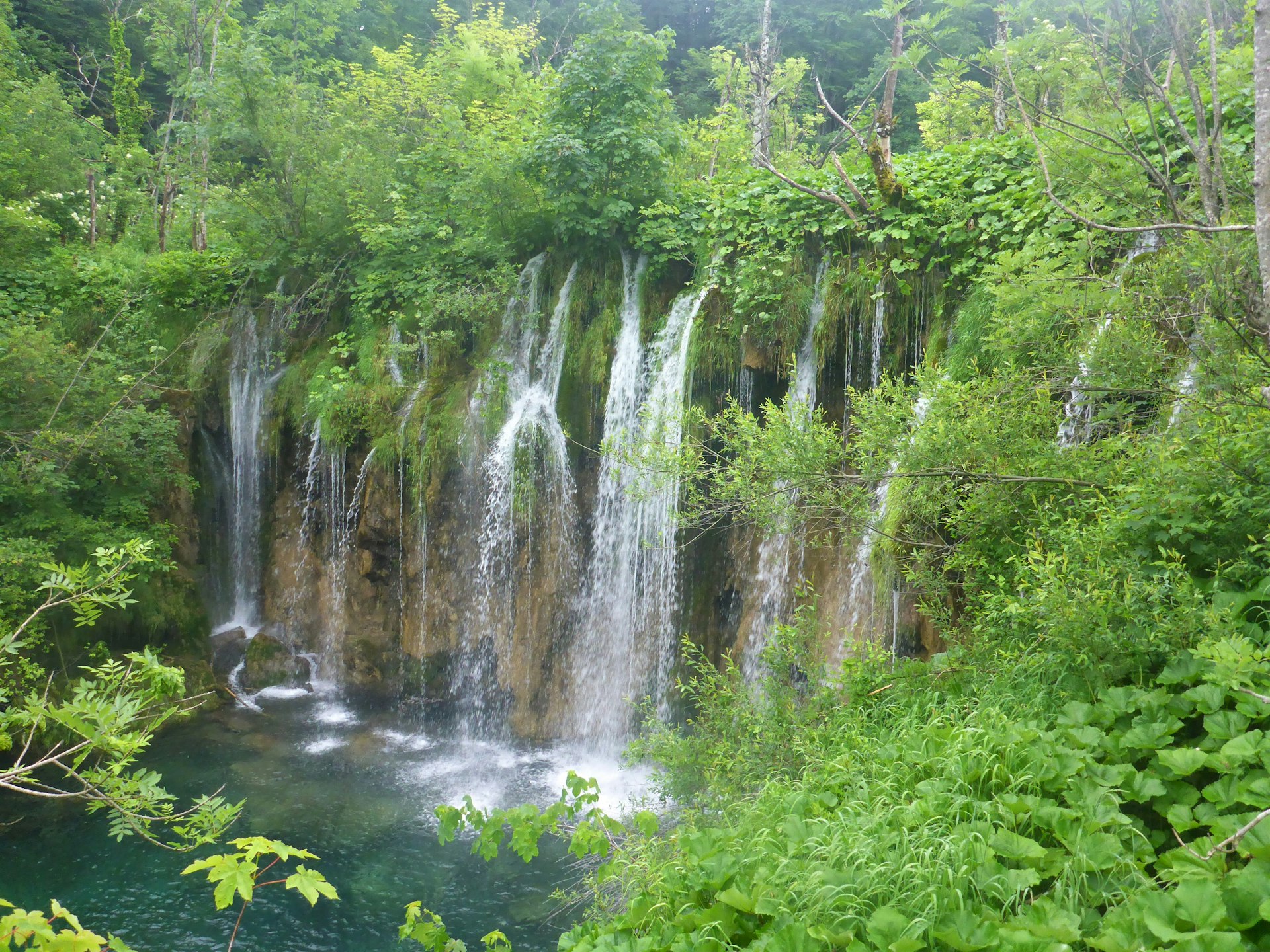
- Spring (April–May): Beech leaf-out turns the canopy from bare grey to luminous green in the space of two weeks. Forest floors erupt with wildflowers — wood anemones, hepatica, primroses, and early orchids — taking advantage of sunlight before the canopy closes.
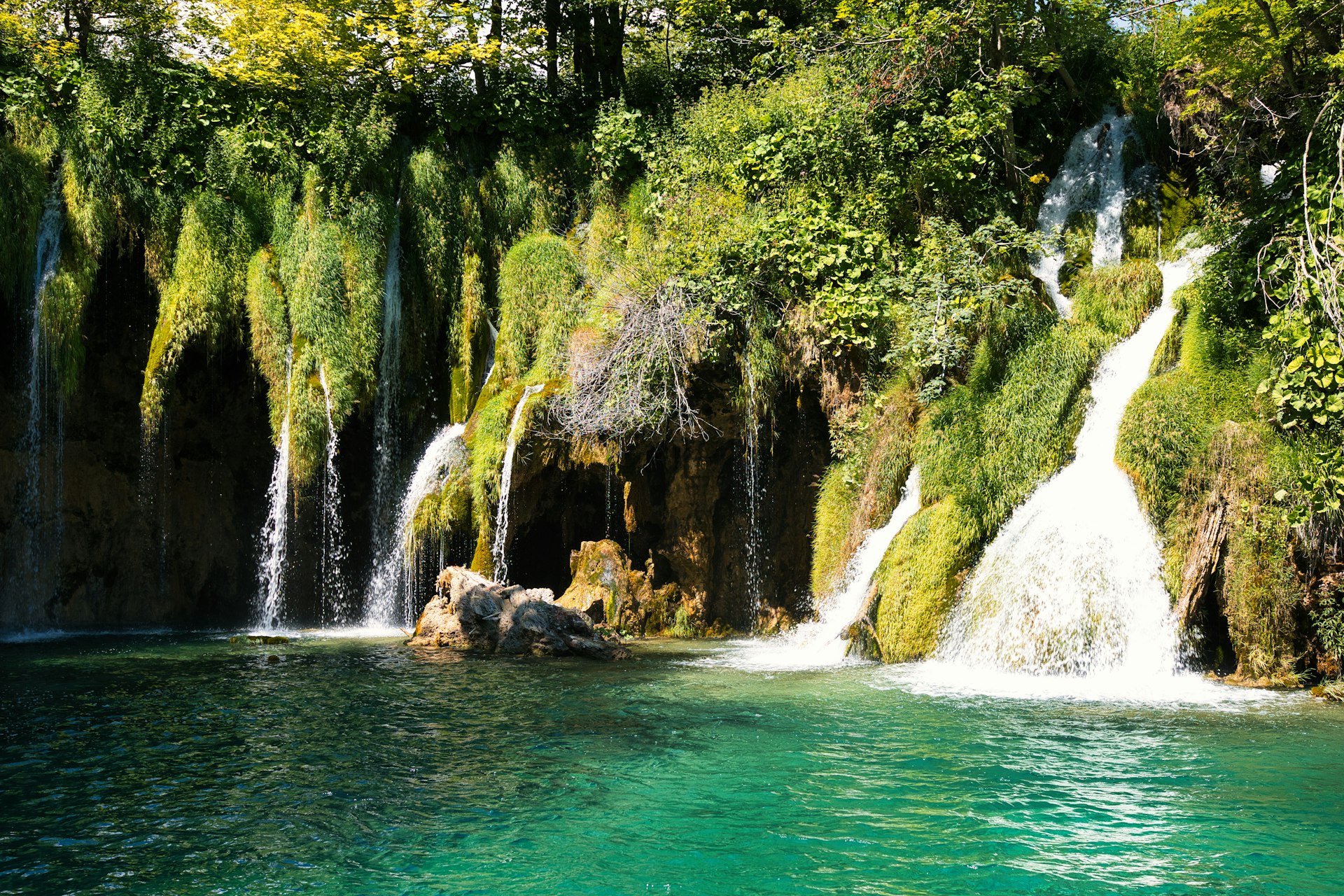
- Summer (June–August): Dense, dark green canopy at its fullest. Meadows bloom with yarrow, wild thyme, St. John's wort, and dozens of grass species.
- Autumn (September–November): Plitvice's finest season for colour. Beech trees turn golden-bronze, maples blaze orange-red, and the reflection of autumn foliage in still lake water creates some of the most photographed scenes in Croatia.
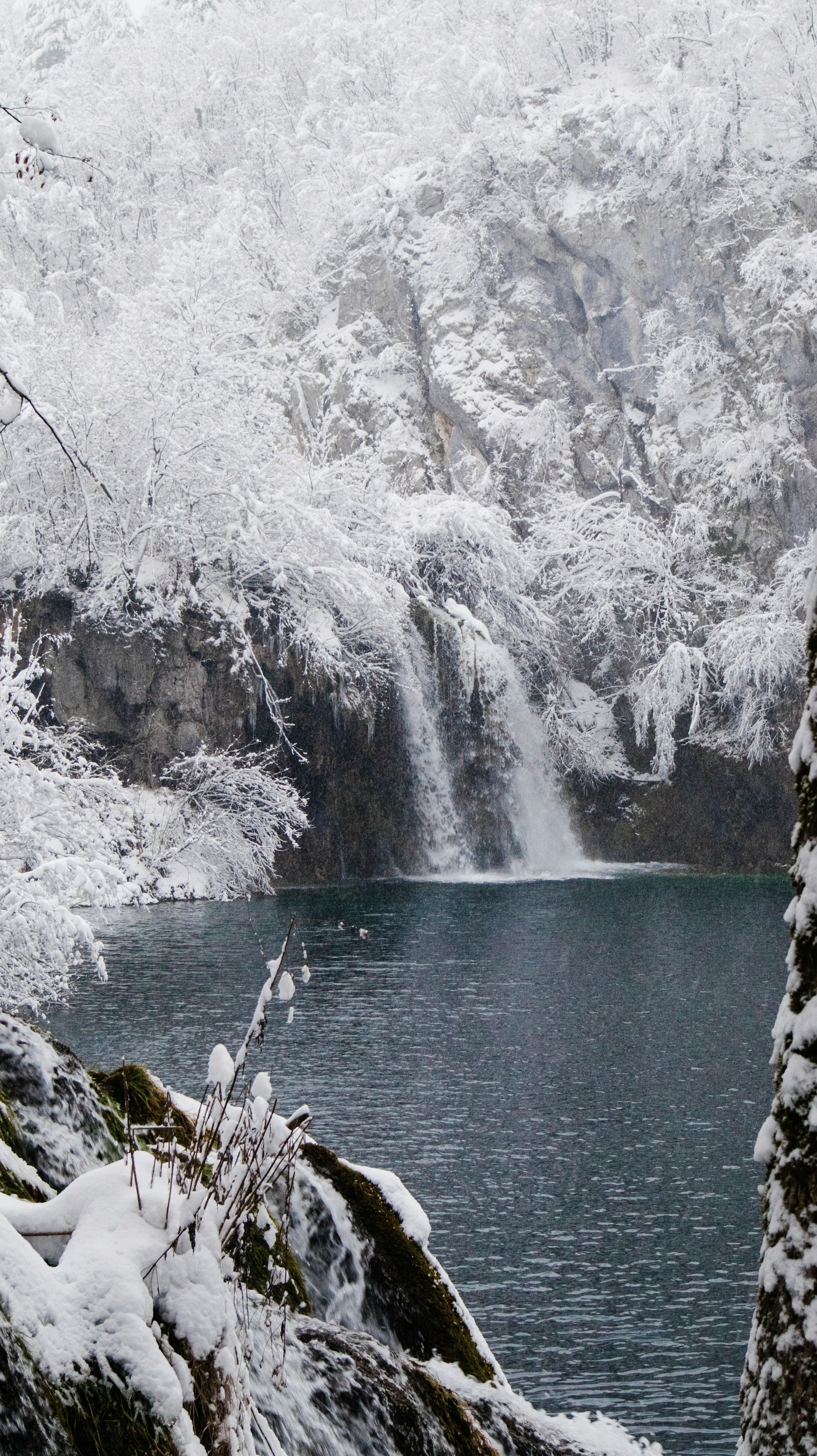
- Winter (December–February): Bare beech branches reveal the park's skeletal architecture. Fir and spruce remain green, providing contrast against snow-covered slopes. Mosses and lichens on tree trunks are at their most vivid in the damp winter air.
Travertine Formation: The Living Geology of Plitvice
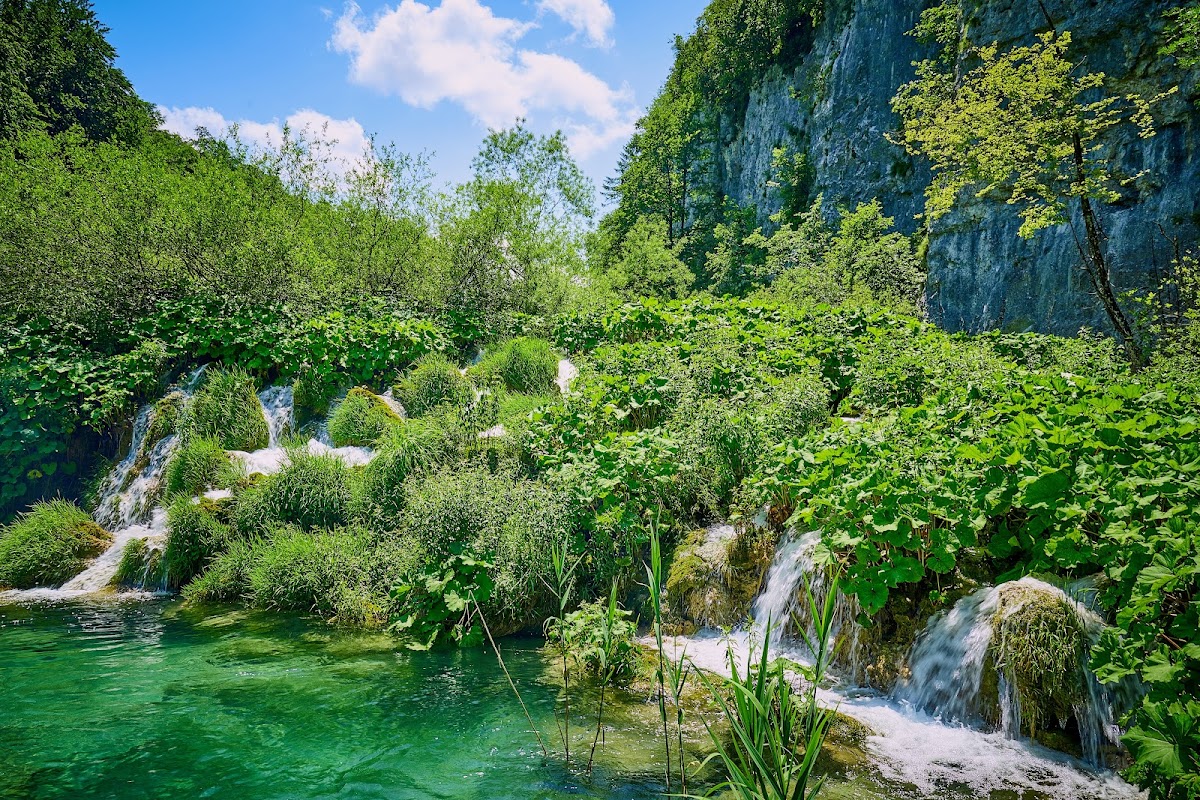
The cascading lakes and waterfalls of Plitvice are not simply carved by water — they are built by life. The park's most remarkable feature is its travertine, a form of limestone deposited by biological and chemical processes that gradually constructs the barriers, dams, and terraces over which water flows. Understanding travertine is understanding Plitvice.
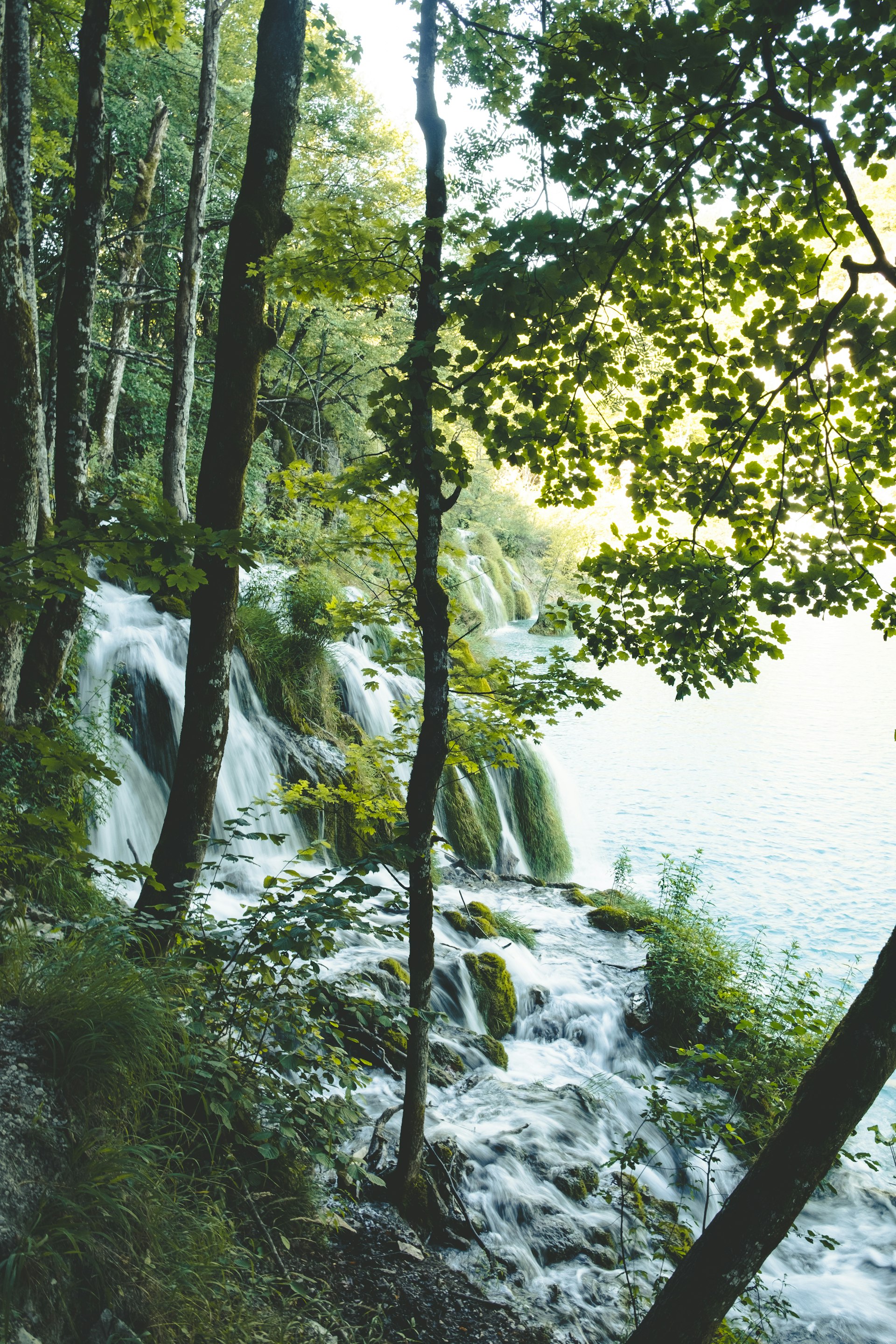
How Travertine Forms
The water entering Plitvice is rich in dissolved calcium carbonate (CaCO₃), absorbed as rainwater percolates through the limestone bedrock of the surrounding karst landscape. When this calcium-saturated water reaches the park's lakes and streams, it encounters a dense community of mosses, algae, cyanobacteria, and diatoms growing on submerged surfaces.
These organisms, particularly the mosses, play a critical role. Through photosynthesis, they absorb CO₂ from the water, shifting the chemical equilibrium and causing dissolved calcium carbonate to precipitate out of solution. The calcium carbonate crystals deposit on and around the plant structures, gradually encrusting mosses and algae in a thin layer of mineral. Over time — years, decades, centuries — these mineral deposits build up into solid travertine rock, preserving the shapes of the original plant structures in exquisite detail.
If you look closely at the surface of any travertine barrier in Plitvice, you can see the fossilised imprints of moss leaves, stems, and algal filaments embedded in the stone. The rock is literally a biological record.
Living Barriers and Growing Lakes
The travertine barriers that separate Plitvice's 16 lakes are not static. They grow, on average, by approximately 1–3 centimetres per year, though the rate varies depending on water chemistry, temperature, light availability, and biological activity. The barriers grow fastest in spring and summer, when warmer temperatures and longer daylight hours increase photosynthetic activity.
This means the lakes themselves are in constant, slow transformation. New barriers form, old ones grow taller, and the pattern of water flow shifts over decades and centuries. Lakes that exist today did not exist in the same form a few thousand years ago, and the landscape will look different again in a few thousand years' time. Plitvice is, in geological terms, a living system — not a static monument.
The largest barriers stand over 25 metres high — the most famous being the great barrier at Veliki Slap (Big Waterfall), where water plunges 78 metres over a travertine cliff face that has been building for thousands of years.
Why This Matters
Travertine formation is exceptionally sensitive to environmental change. Water pollution, changes in water temperature, alteration of water flow, and physical damage to moss communities can all disrupt or halt the process entirely. This is the fundamental reason why Plitvice enforces strict rules about swimming, touching travertine barriers, and staying on boardwalks. Even the oils from a human hand can damage the delicate biological communities that drive travertine growth.
The park monitors travertine formation rates continuously, and this data forms one of the key indicators of overall ecosystem health. A decline in travertine growth would signal problems far beyond geology — it would indicate deterioration of water quality, biological communities, and the forest catchment upstream.
Fish & Aquatic Life
The crystal-clear waters of Plitvice's lakes and streams are home to a surprisingly rich aquatic community, though one you'll need patience and sharp eyes to observe.
Brown Trout (Salmo trutta)
The most prominent fish species is the brown trout, which thrives in Plitvice's cold, oxygen-rich, calcium-saturated waters. These are wild, native populations — not stocked — and some individuals reach impressive sizes in the nutrient-rich lake environments. Look carefully from the boardwalks over the Upper Lakes, and you'll often spot trout holding position in the current below small cascades, waiting for drifting invertebrates.
The park also supports populations of chub (Squalius cephalus) and European minnow in the lower, warmer lake sections. Freshwater crayfish — the endangered noble crayfish (Astacus astacus) and stone crayfish (Austropotamobius torrentium) — inhabit the streams and lake margins, though they are nocturnal and rarely seen during the day.
No Swimming: Why the Rule Exists
Swimming, wading, and any form of water contact is strictly prohibited throughout Plitvice Lakes National Park. This isn't arbitrary — it's essential for protecting the travertine-forming biological communities. Sunscreen, insect repellent, body oils, and even the physical disturbance of human movement in water can damage the delicate mosses, algae, and bacterial mats that drive calcium carbonate deposition.
The rule also protects water quality for the entire downstream ecosystem. Plitvice's water flows from the upper lakes through each successive barrier and lake to the lower system, meaning contamination at any point affects everything below it.
Water Quality
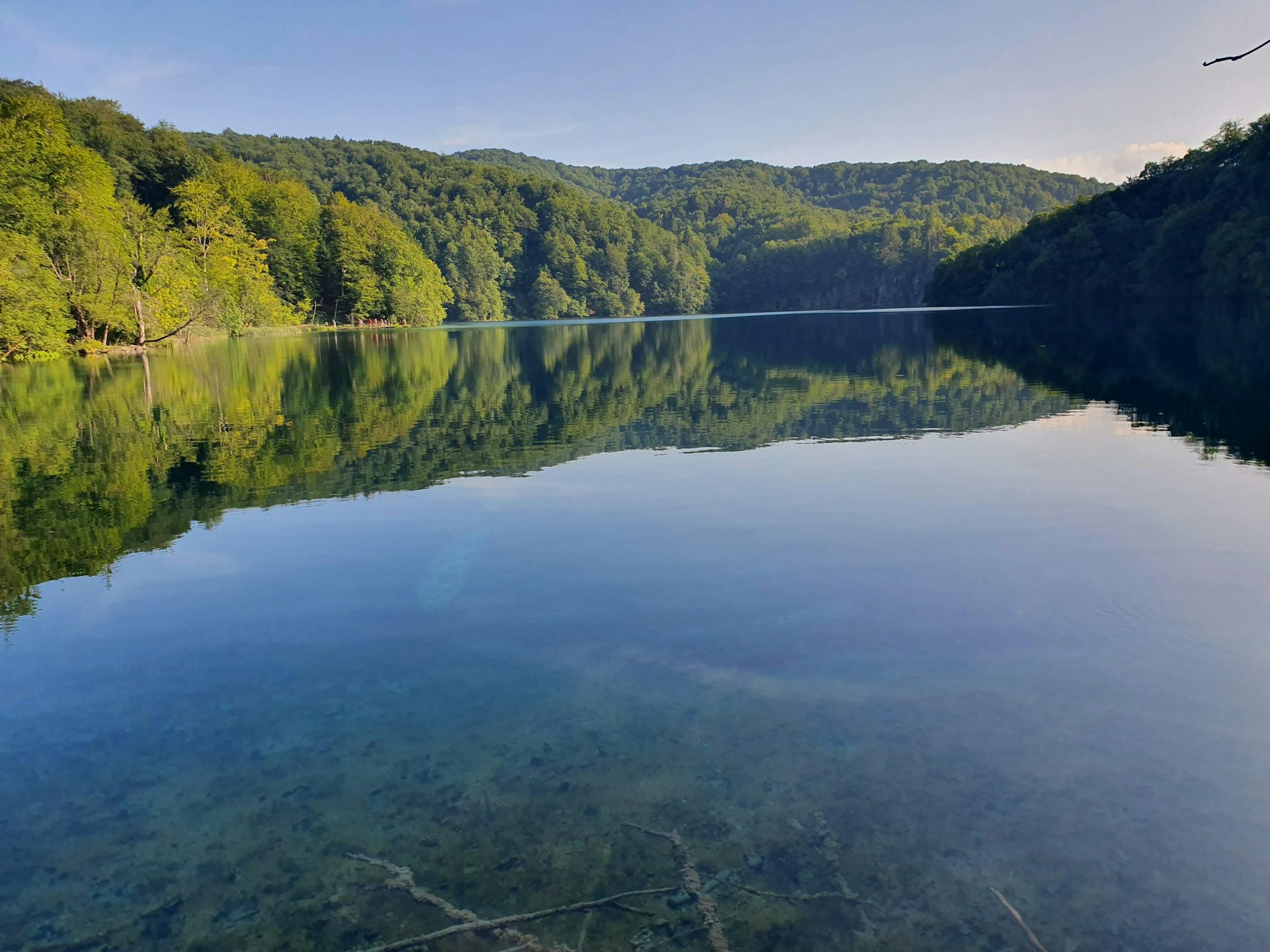
Plitvice's water quality is among the highest in Europe. The lakes are classified as oligotrophic to mesotrophic — low in nutrients, high in dissolved oxygen, and exceptionally clear, with visibility often exceeding 10 metres. The characteristic turquoise-to-emerald colour is caused by the combination of dissolved calcium carbonate, depth, and the reflection of surrounding vegetation — not by any artificial treatment.
Water temperature ranges from near 0 °C in winter to approximately 20 °C in summer at the surface, though deeper layers remain cold year-round. This thermal stratification supports different biological communities at different depths and contributes to the park's overall aquatic biodiversity.
Best Wildlife Viewing: When, Where & How
Spotting wildlife at Plitvice requires realistic expectations and a willingness to be patient. The large predators are almost never seen, but deer, birds, amphibians, and aquatic life are accessible to attentive visitors. Here's how to maximise your chances.
Best Times of Day
- Dawn (first light to 8:00 AM): The single best time for wildlife. Deer feed in forest clearings, birds are most vocal, and the park is at its quietest. If you're staying nearby, arriving at park opening gives you a significant advantage.
- Dusk (5:00–7:30 PM, seasonally adjusted): The second-best window. Nocturnal species begin stirring, owls start calling, and deer move to evening feeding areas. The last hour before the park closes is underrated.
- Midday (11:00 AM–3:00 PM): The worst time for mammal sightings. Birds are less active, and the main boardwalks are at peak crowding. Focus on aquatic life, travertine observation, and botany during these hours.
Best Seasons
- Spring (April–May): Best overall for nature. Bird migration peaks, wildflowers bloom, amphibians are active, and bear activity increases after winter dormancy.
- Autumn (September–October): Red deer rut, autumn bird migration, mushroom season, spectacular foliage. Fewer visitors than summer.
- Winter (December–February): Best for tracking — snow reveals animal movements. Quietest season with minimal crowds. Wolves occasionally heard howling.
- Summer (June–August): Most butterfly and insect activity, but high visitor numbers reduce mammal sightings near trails.
Best Locations
- Upper Lakes and Prošćansko Jezero: Quieter, more forested, better for large mammals and forest birds
- Forest trails (Routes K and H): Away from main boardwalks, higher chance of deer and wild boar evidence
- Kozjak Lake shoreline: Waterbirds, kingfishers, fish observation
- Veliki Slap area: Peregrine falcons, dippers, travertine close-up
Gear Recommendations
- Binoculars (8x42 or 10x42): Essential for birdwatching and useful for scanning forest edges for deer. Compact models are fine for casual viewing; serious birders should invest in quality optics.
- Camera with telephoto lens (200mm+): Minimum for useful wildlife photography. A 100-400mm zoom covers most situations.
- Field guide: A pocket bird guide to Croatia or southeastern Europe helps enormously with identification. The Collins Bird Guide covers all European species.
- Quiet, dark clothing: Avoid bright colours. Earth tones reduce your visual profile.
- Patience: The most important piece of equipment. Sit quietly at a promising spot for 20–30 minutes rather than constantly walking.
Conservation & Protection
Plitvice Lakes has been a protected area since 1949, making it one of the oldest national parks in southeastern Europe. Its UNESCO World Heritage listing in 1979 — among the first natural sites inscribed — brought international recognition and additional protection obligations.
The park faces ongoing conservation challenges. Visitor pressure is the most significant — over 1.5 million people visit annually, and boardwalk crowding, noise, and waste management require constant attention. The park has responded with timed entry tickets, daily visitor caps, and investment in infrastructure to spread visitors across routes and reduce bottleneck congestion.
Forest management follows a largely non-interventionist philosophy in the core zone — no logging, no clearing of deadwood, minimal trail maintenance beyond safety requirements. This approach preserves the old-growth character essential for species like the white-backed woodpecker, black stork, and Ural owl.
Water quality monitoring is continuous and comprehensive. The park measures chemical composition, temperature, biological indicators, and travertine growth rates at multiple stations. Any decline triggers investigation and, where possible, intervention in upstream land use practices.
Poaching, illegal fishing, and unauthorised entry remain low-level but persistent threats, addressed through ranger patrols and cooperation with local communities. The park also participates in transboundary conservation efforts for large carnivore management, coordinating with Slovenian and Bosnian authorities on bear, wolf, and lynx monitoring.
Your role as a visitor is simple: stay on marked trails, take nothing, leave nothing, keep noise to a minimum, and follow all park rules. These aren't restrictions — they're the reason Plitvice's wildlife still exists.
Frequently Asked Questions
Are there bears at Plitvice Lakes?
Yes. Plitvice is home to an estimated 40–60 brown bears. However, bears avoid humans and sightings on tourist trails are extremely rare. The park has never recorded a bear attack on a visitor. If you see bear evidence (tracks, claw marks, overturned logs), enjoy it from a distance and report it to park staff.
Is it safe to hike at Plitvice with wildlife?
Absolutely. Plitvice is one of the safest national parks in Europe. Large predators actively avoid humans, and the main boardwalk routes carry thousands of visitors daily without incident. Stay on marked trails, make noise in forested areas, and don't approach or feed any wildlife.
Can I see wolves at Plitvice?
Wolf sightings are extremely rare — most long-term park rangers have never seen one in the open. Your best chance of "experiencing" wolves is hearing them howl during winter evenings. Camera trap images confirm their ongoing presence, and tracks are occasionally visible in snow along remote forest trails.
What birds can I see at Plitvice?
Over 160 species have been recorded. Highlights include golden eagles, peregrine falcons, Ural owls, eagle owls, black woodpeckers, white-backed woodpeckers, kingfishers, dippers, and golden orioles. Spring (April–May) is peak birding season.
Why can't you swim in Plitvice Lakes?
Swimming is banned to protect the travertine-forming biological communities. Sunscreen, body oils, and physical disturbance damage the mosses and algae that build the park's famous barriers and cascading lakes. This is a conservation necessity, not an arbitrary rule.
What is travertine and why does it matter?
Travertine is a type of limestone deposited by biological processes — mosses and algae remove CO₂ from calcium-rich water, causing calcium carbonate to crystallise. This process builds the barriers that create Plitvice's cascading lakes. It grows 1–3 cm per year and is extremely sensitive to pollution and physical disturbance.
When is the best time to see wildlife at Plitvice?
Dawn and dusk are the best times of day. Spring (April–May) and autumn (September–October) are the best seasons overall. Arriving at park opening and heading to the quieter Upper Lakes trails gives you the best chance of seeing deer, birds, and signs of larger wildlife.
Are there snakes at Plitvice?
Yes, several snake species inhabit the park, including the non-venomous Aesculapian snake and grass snake, and the mildly venomous common European adder (Vipera berus) and horned viper (Vipera ammodytes). Snakes are shy, avoid trails, and bites are extremely rare. Watch where you step on warm, sunny days, especially on rocky areas off the main boardwalks.