Complete Packing List for Plitvice Lakes By Season (2026)
Packing right for Plitvice Lakes is the difference between a comfortable visit and a miserable one. The park sits at 500--640 meters elevation in Croatia's mountainous Lika region, where a continental-mountain microclimate can shift from sunshine to downpour within an hour. The wooden boardwalks become treacherously slippery when wet -- and they are wet more often than not, with annual rainfall averaging around 1,500 mm.
Once inside the park, your options for supplies are extremely limited. A few kiosks sell overpriced snacks and water, but there are no gear shops, pharmacies, or convenience stores. The nearest town with real shops is Slunj, about 30 minutes north. What you pack in the morning is what you have for the day.
This guide covers exactly what to bring for every season so you can focus on the scenery instead of your sore feet.
Essential Items for Every Season
These items belong in your pack whether you visit in April or January. The seasonal sections below build on this foundation.
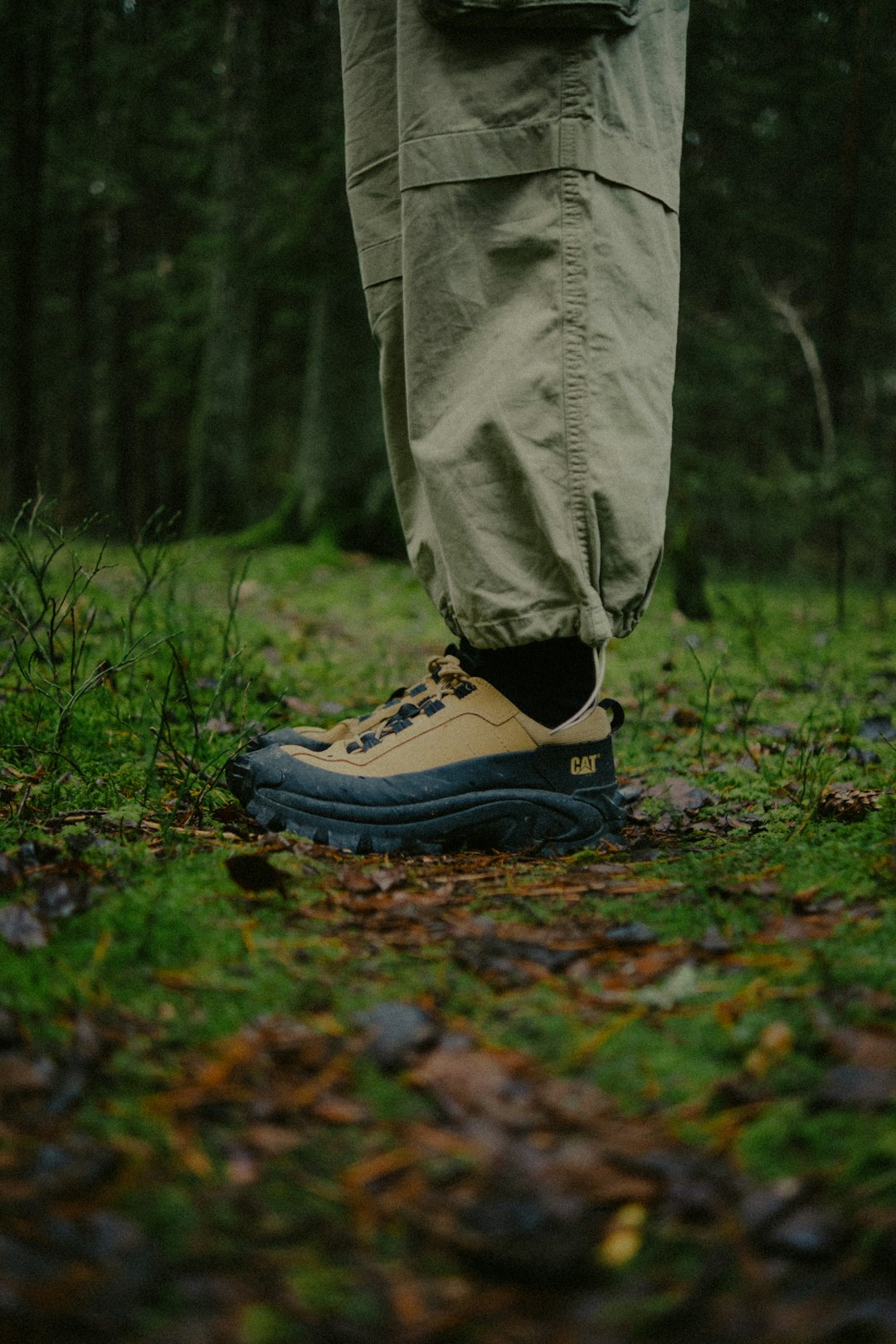
Footwear (The Most Important Decision)
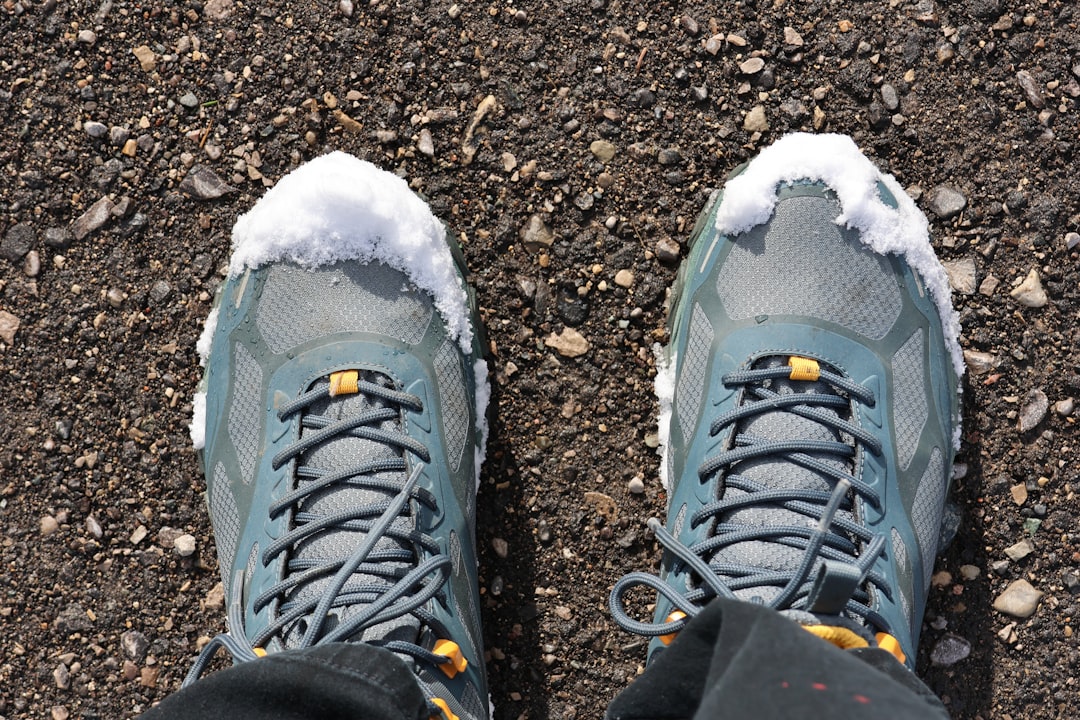
Wear waterproof hiking shoes or trail runners with aggressive tread. This is non-negotiable. The boardwalks are constantly damp from lake spray, waterfall mist, rain, or dew. Visitors in smooth-soled shoes slip and injure themselves every season.
Good choices include the Merrell Moab 3 Waterproof, Salomon X Ultra 4 GTX, or Columbia Redmond Waterproof -- any trail shoe with a lugged rubber sole and waterproof membrane. Break them in before your trip.
Avoid: flip-flops, sandals, leather-soled dress shoes, smooth-bottomed sneakers, and high heels. People show up in all of these. They regret it.
Rain Gear
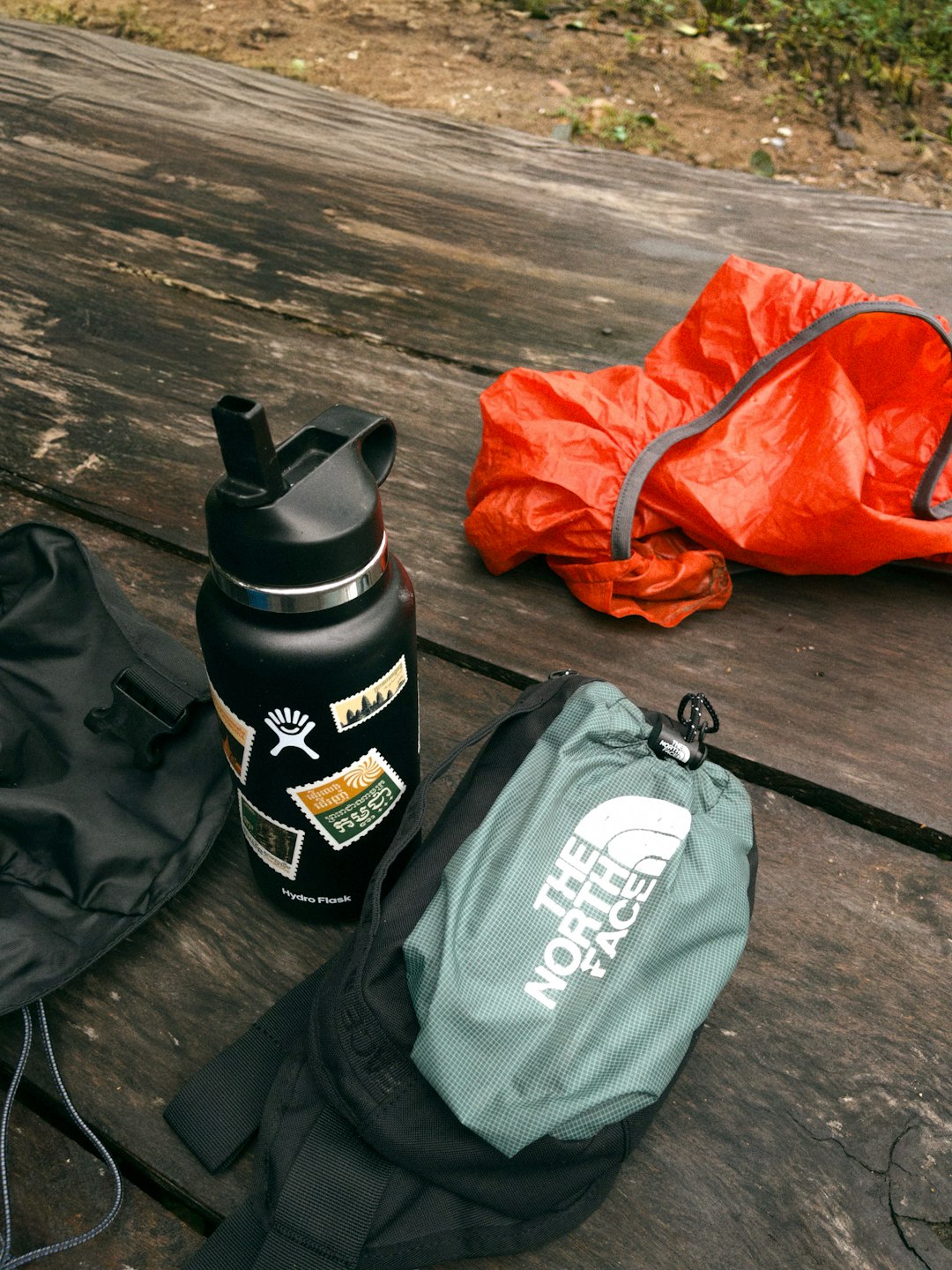
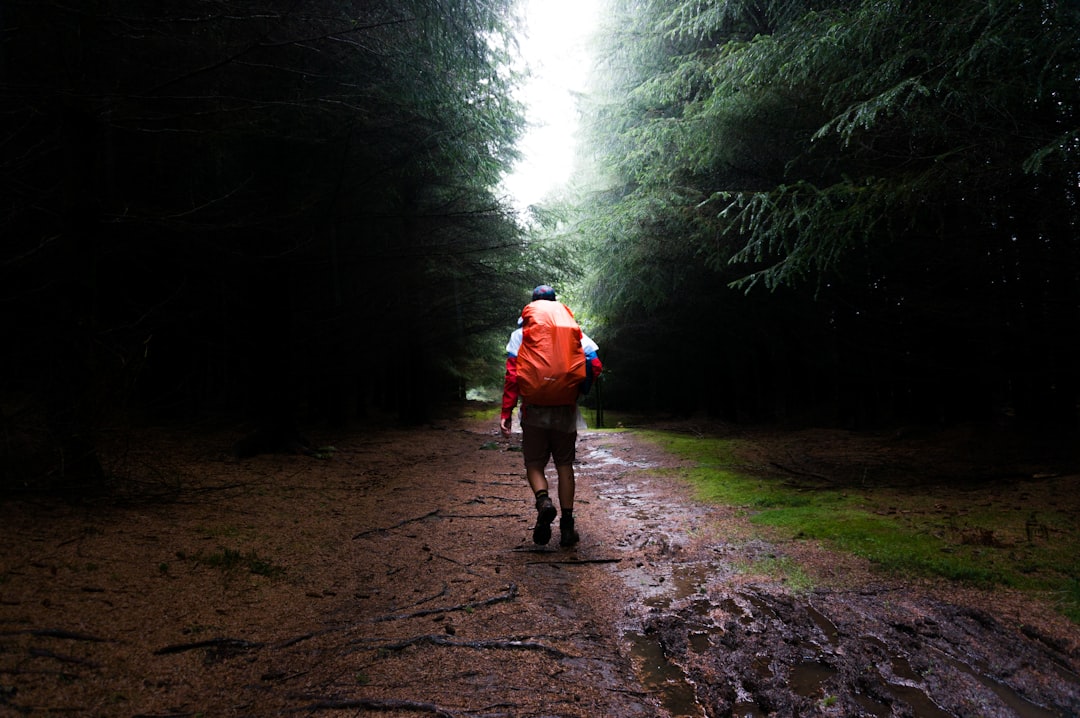
A lightweight, packable waterproof jacket is essential even on sunny days. A breathable shell like the Marmot PreCip weighs under 400 grams and stuffs into your daypack. Bring a rain cover for your backpack or camera bag. A compact umbrella works for drizzle but is impractical on narrow boardwalks -- the jacket is far more useful.
Daypack Essentials
- Water bottle (1--1.5L per person) -- Refill stations inside the park are limited.
- Snacks or packed lunch -- Park food is overpriced, basic, and limited to a few kiosks and one restaurant.
- Sunscreen (SPF 30+) -- Elevation plus water reflection burns faster than expected.
- Small first aid kit -- Bandages, blister plasters, antiseptic wipes, personal medications.
- Cash and card -- Some kiosks are cash-only.
- Phone and power bank -- For photos, the offline park map, and emergencies.
- Park map -- Download the official offline map before you arrive, or grab a paper copy at the entrance.
Photography Gear
- Camera with wide-angle lens -- A 16--35mm equivalent is ideal for waterfalls and cascading lake systems.
- Polarizing filter -- Cuts glare off the water, reveals turquoise depths, and saturates foliage colors.
- Extra batteries -- Cold drains them fast, but even summer shoots can exhaust a single charge.
- Waterproof bag or sleeve -- Waterfall mist will find your camera.
- Tripod -- Only if you are serious about long exposures. It is cumbersome on narrow boardwalks. A lightweight travel tripod is the best compromise.
Spring Packing List (April--May)
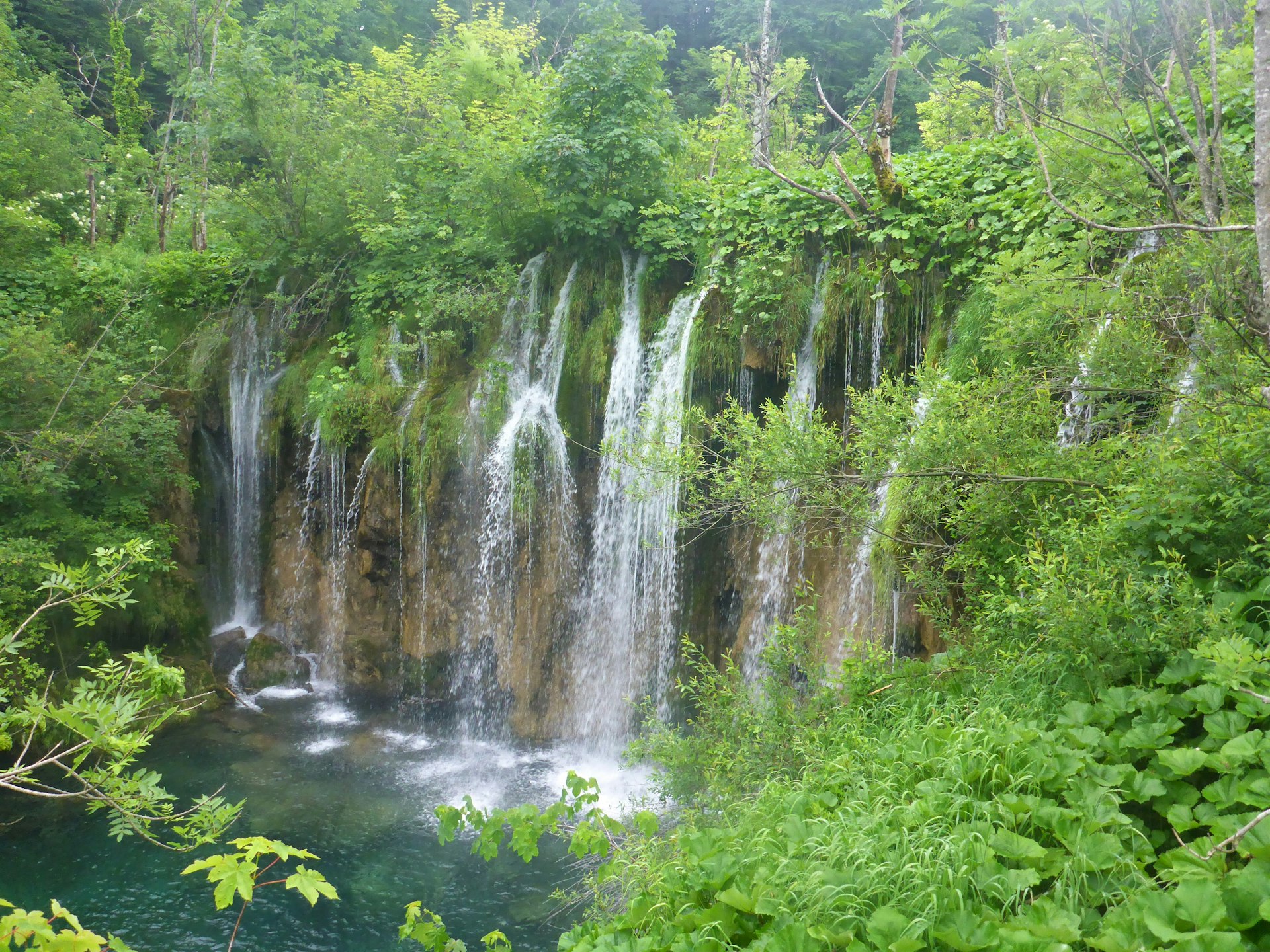
Weather: 10--20 °C, frequent rain showers, waterfalls at peak flow
Clothing
- Moisture-wicking base layer -- Synthetic or merino wool, not cotton.
- Fleece or light insulating mid-layer -- April mornings can start below 10 °C.
- Waterproof jacket -- Essential. April averages around 12 rainy days.
- Convertible hiking pants or quick-dry trousers -- Avoid jeans, which are heavy and miserable when wet.
- Warm hat for early mornings and light gloves for April.
Spring-Specific Items
- Waterproof over-pants -- April's combination of rain, spray, and wet boardwalks can soak your lower half.
- Extra pair of socks -- Wet feet are inevitable in spring. A dry pair in your pack is a small luxury.
- Insect repellent -- Mosquitoes appear near the lakes in May, especially around the marshy Upper Lakes.
Spring Conditions
Boardwalks will be slippery from spray and rain. Some Upper Lakes sections may still be closed in early April. Wildflowers bloom across the forest floor, and water levels are at their highest -- this is peak season for waterfall photography.
Summer Packing List (June--September)
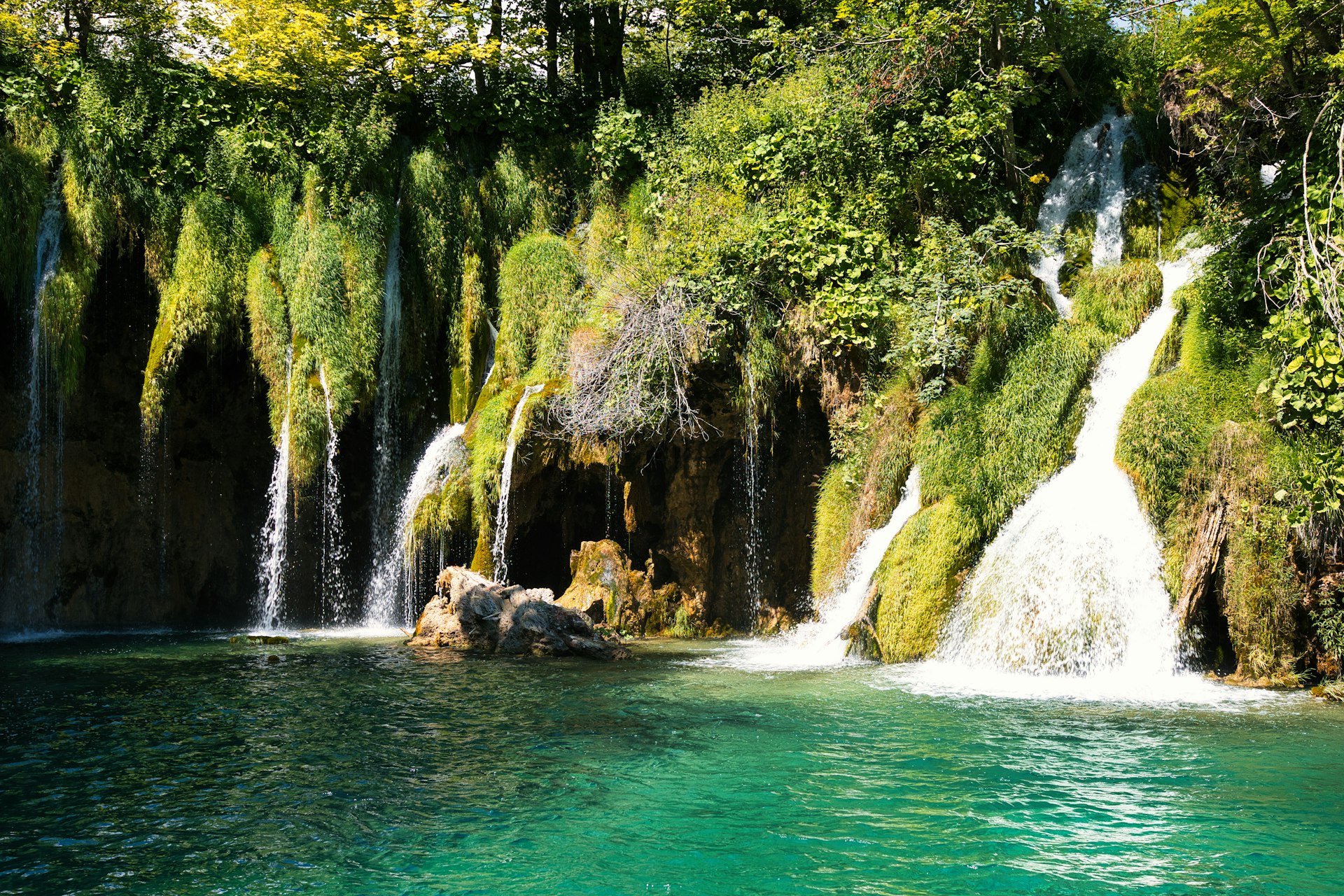
Weather: 24--28 °C, occasional thunderstorms, high humidity
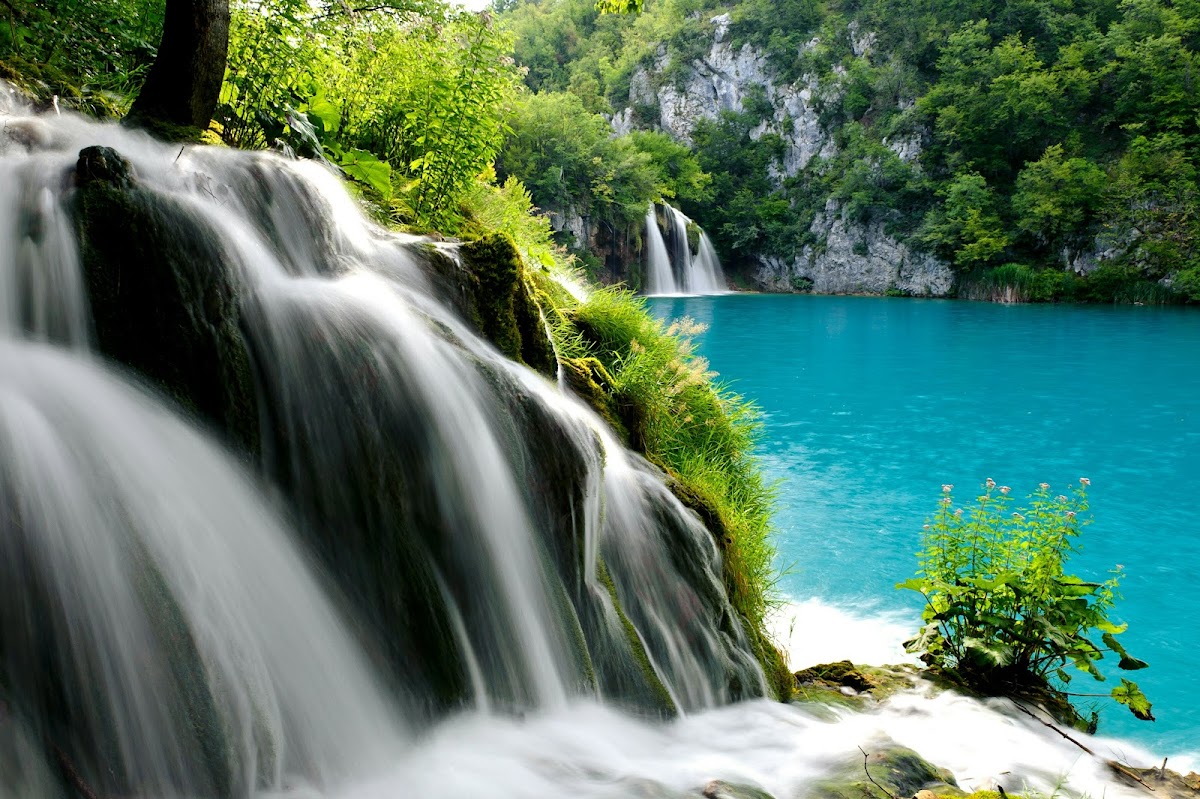
Clothing
- Light, breathable hiking shirt -- Synthetic, not cotton.
- Quick-dry shorts or lightweight hiking pants.
- Light rain jacket -- Afternoon thunderstorms are common July--August. Pack it even if the 8 AM sky is clear.
- Sun hat with a brim -- Essential for open lakeside boardwalks.
- Swimwear -- Not for the park (swimming prohibited), but for Korana River spots at Rastoke, 30 minutes away.
Summer-Specific Items
- Sunscreen SPF 50 -- Elevation plus water reflection. Reapply every two hours.
- Polarized sunglasses -- Cut water glare and make the turquoise more vivid.
- 2L water per person -- Dehydration is a real risk with heat, humidity, and hours of walking.
- Cooling towel -- Soaked in cold water, draped around your neck.
- Insect repellent -- July--August bring the most mosquitoes near the Upper Lakes.
Summer Tips
Mornings are surprisingly cool (around 18 °C at 7 AM) -- bring a light layer. Afternoon thunderstorms can arrive within 30 minutes of clear skies. Waterfall mist will dampen you regardless of rain. Crowds are the biggest challenge; a light pack helps you move quickly on the narrow boardwalks.
Autumn Packing List (October--November)
Weather: 5--16 °C, increasing rain, fall colors peak mid-to-late October
Clothing
- Warm base layer -- Merino wool is ideal.
- Insulating mid-layer -- Fleece or light down for cold mornings and shaded forest.
- Waterproof outer layer -- October averages 100--120 mm of rain.
- Long hiking pants -- Quick-dry fabrics.
- Warm hat and gloves -- Especially November, when mornings drop below 5 °C.
- Scarf or neck gaiter -- Blocks cold wind along open lakeside stretches.
Autumn-Specific Items
- Hand warmers -- A small comfort in November, especially for photographers.
- Headlamp or flashlight -- Days are shorter; the park closes at 6 PM in October, 4 PM in November.
- Extra warm socks -- Wool hiking socks insulate even when damp.
Autumn Conditions
October delivers peak foliage -- beech forests in gold, amber, and crimson against turquoise water. November brings mist, atmosphere, and solitude as visitor numbers drop sharply. Boardwalks covered in wet leaves are even more slippery than usual. Upper Lakes sections may close in late November.
Winter Packing List (December--March)
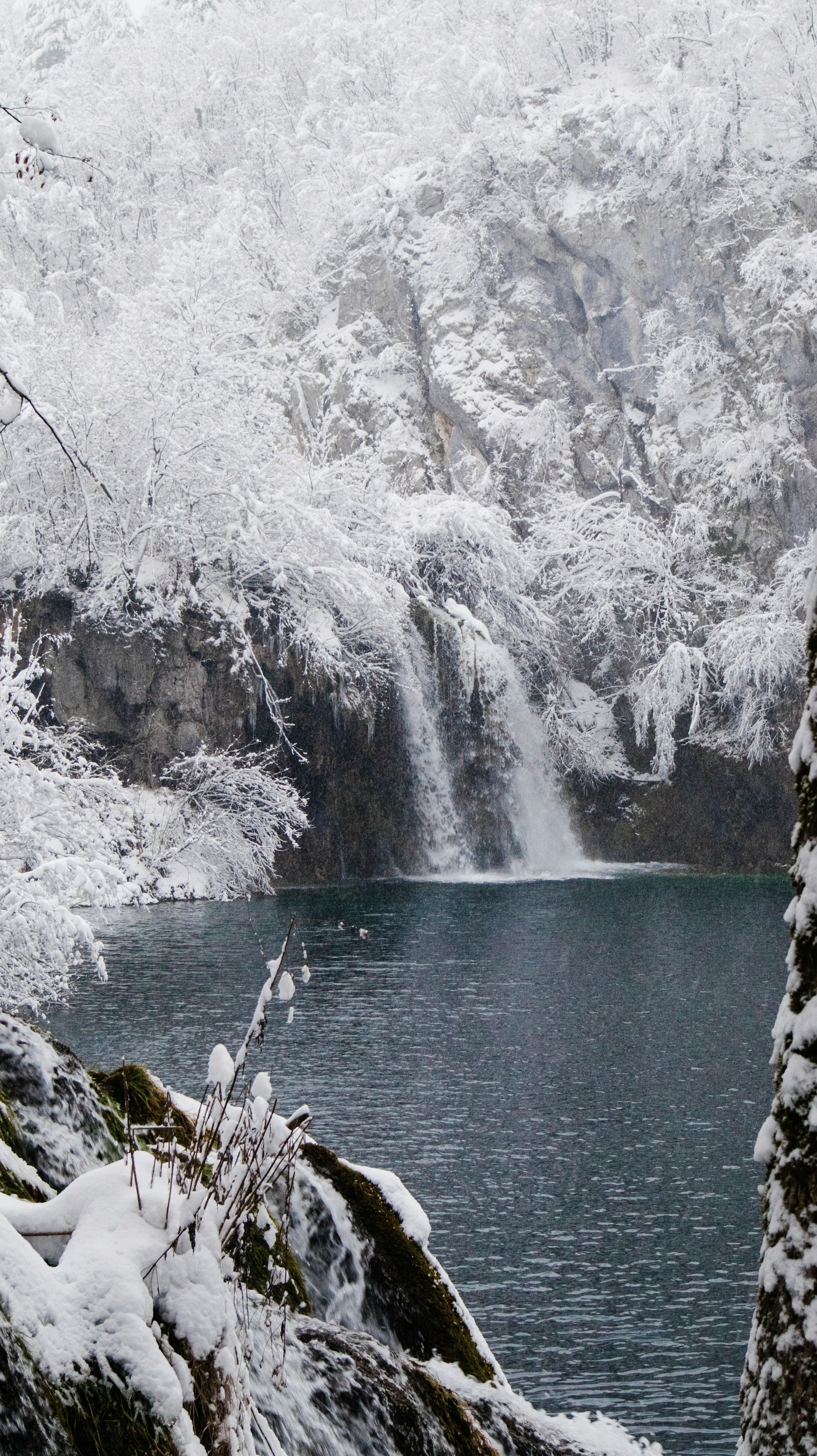
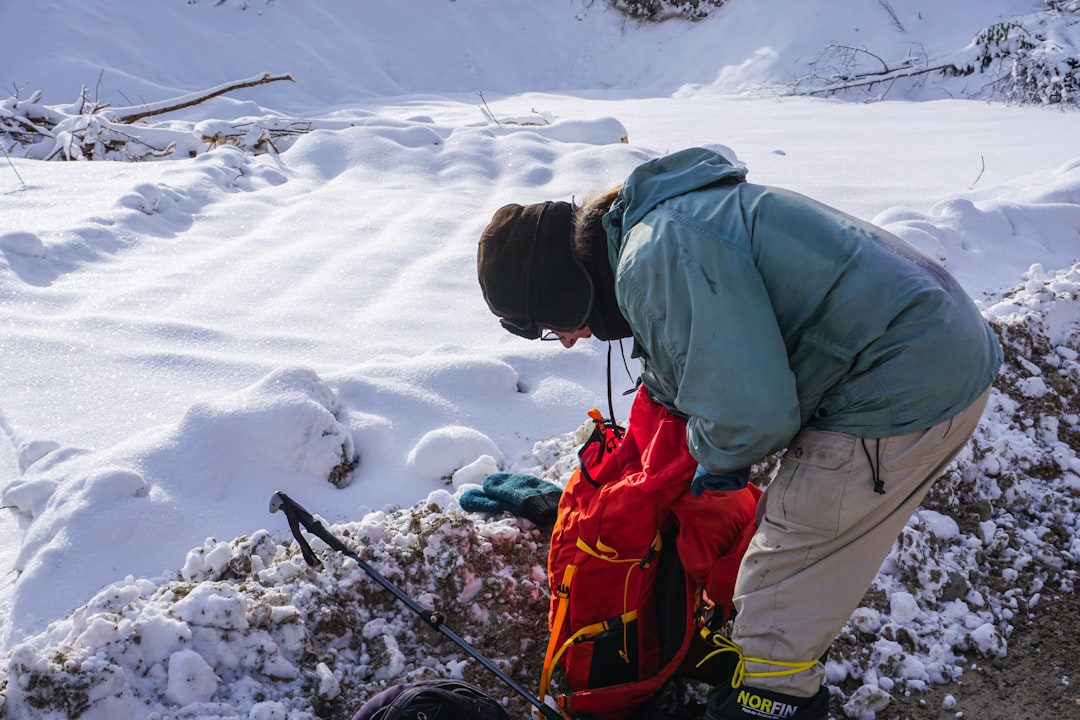
Weather: -3 to 6 °C, snow common, frozen waterfalls
Clothing
- Thermal base layer (top and bottom) -- Merino wool or synthetic thermal underwear.
- Insulating mid-layer -- Down jacket or heavy fleece. Temperatures regularly drop below freezing.
- Waterproof outer shell -- Must block wind and snow.
- Waterproof insulated hiking boots -- Standard hiking shoes are not sufficient. You need insulated boots with deep lugs for snow and ice.
- Warm winter hat, thermal gloves, scarf or balaclava.
- Wool hiking socks -- Bring a spare pair. Cold, wet feet end visits early.
Winter-Specific Items
- Traction devices or microspikes -- Yaktrax or Kahtoola MICROspikes are strongly recommended. Boardwalks can be coated in ice. Under €30 and could prevent a serious fall.
- Hand and toe warmers -- Disposable heat packs last 6--8 hours.
- Thermos with hot drink -- Nothing beats hot tea while watching an ice-covered waterfall.
- Headlamp -- Park closes at 4 PM, and days are very short.
- Extra camera batteries -- Cold drains them roughly three times faster. Keep spares in an inside pocket near your body heat.
- Lip balm and moisturizer -- Cold wind dries out skin and lips quickly.
Winter Conditions
The Upper Lakes are usually closed. The Lower Lakes remain accessible but can be icy. Frozen waterfalls are spectacular -- Plitvice in winter is an entirely different park. Visitor numbers sometimes drop below 100 per day, and some facilities (restaurant, boat, panoramic train) are closed.
What NOT to Pack or Bring
- Drones -- Banned in the national park. Fines enforced.
- Fishing equipment -- Forbidden in all park waters.
- Pets -- Not allowed on trails or boardwalks.
- Bluetooth speakers -- Respect the natural soundscape.
- Glass bottles -- Safety concern on boardwalks.
- Heavy luggage -- No lockers or storage inside the park.
- High heels or dress shoes -- It happens more than you would think.
Quick-Reference Packing Checklist
Always Pack:
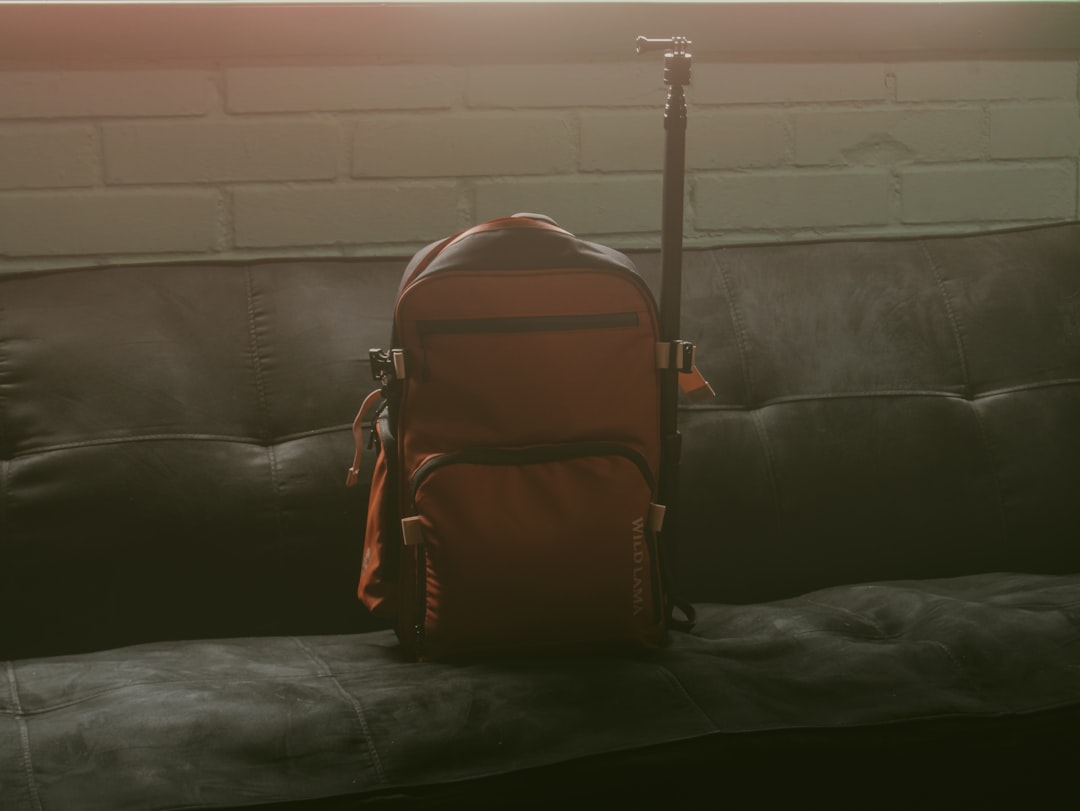
- Waterproof hiking shoes
- Rain jacket
- Water (1.5L+)
- Snacks or packed lunch
- Sunscreen
- Camera
- Cash + card
- Phone + power bank
Add for Spring: Fleece mid-layer, extra socks, waterproof pants, insect repellent (May)
Add for Summer: Sun hat, polarized sunglasses, 2L water, insect repellent, cooling towel
Add for Autumn: Warm base layer, gloves, headlamp, hand warmers (November)
Add for Winter: Thermal base layer, insulated waterproof boots, microspikes, hot drink thermos, extra camera batteries
Frequently Asked Questions
What shoes should I wear to Plitvice Lakes?
Waterproof hiking shoes or trail runners with lugged rubber soles. The boardwalks are slippery when wet, and they are wet frequently. The Merrell Moab 3 Waterproof, Salomon X Ultra 4 GTX, or any trail shoe with a Gore-Tex membrane and aggressive tread will work. Avoid smooth-soled shoes, sandals, and open-toed footwear.
Do I need waterproof clothing for Plitvice?
Yes, in every season. A waterproof jacket is essential year-round. Even on dry days, waterfall mist will dampen your clothing on boardwalks near the cascades. In spring and autumn, waterproof over-pants are also worth packing.
Can I buy supplies near Plitvice Lakes?
Options are very limited. A few shops and petrol stations along the D1 road sell basics, and Slunj (30 minutes north) has a small supermarket and pharmacy. For gear or specific items, shop before you leave Zagreb, Split, or Zadar. Inside the park, kiosks sell water, snacks, and basic rain ponchos at inflated prices.
Should I bring food to Plitvice Lakes?
Strongly recommended. The park has one restaurant and a few kiosks, but prices are high, portions basic, and summer lines long. Packing sandwiches, fruit, trail mix, and energy bars gives you schedule flexibility and saves money.
Is there anywhere to store luggage at Plitvice?
No. The park has no lockers or luggage storage. If visiting on a transit day, ask your accommodation to hold your bags, or leave luggage locked in your car at the Entrance 1 or Entrance 2 parking areas.
Do I need hiking poles at Plitvice?
Hiking poles are optional but helpful in autumn and winter when boardwalks are slippery from wet leaves or ice. They add stability and reduce knee strain on longer routes. On narrow boardwalks during busy periods, however, poles can be awkward. Choose collapsible poles you can stow when trails are crowded.