Plitvice Lakes on a Budget: Complete Money-Saving Guide (2026)
Plitvice Lakes is Croatia's most famous natural attraction — and it has a reputation for being expensive. But here's the truth: a visit to Plitvice doesn't have to strain your wallet. Park entry alone ranges from just €10 in winter to €40 at peak summer, and with the right planning you can cut costs on accommodation, transport, and food significantly. We've seen travelers enjoy a full day at Plitvice for under €45 all-in, and comfortable overnight trips for under €100 per person. This guide breaks down every cost, gives you specific money-saving strategies, and provides sample itineraries so you can experience one of Europe's most stunning national parks without overspending. Whether you're backpacking through Croatia on a shoestring or simply prefer to travel smart, these tips will help you keep more money in your pocket.
What Does Plitvice Lakes Actually Cost? (Complete Breakdown)
Before you can save money, you need to know where it goes. Here's what a visit to Plitvice actually costs in 2026.
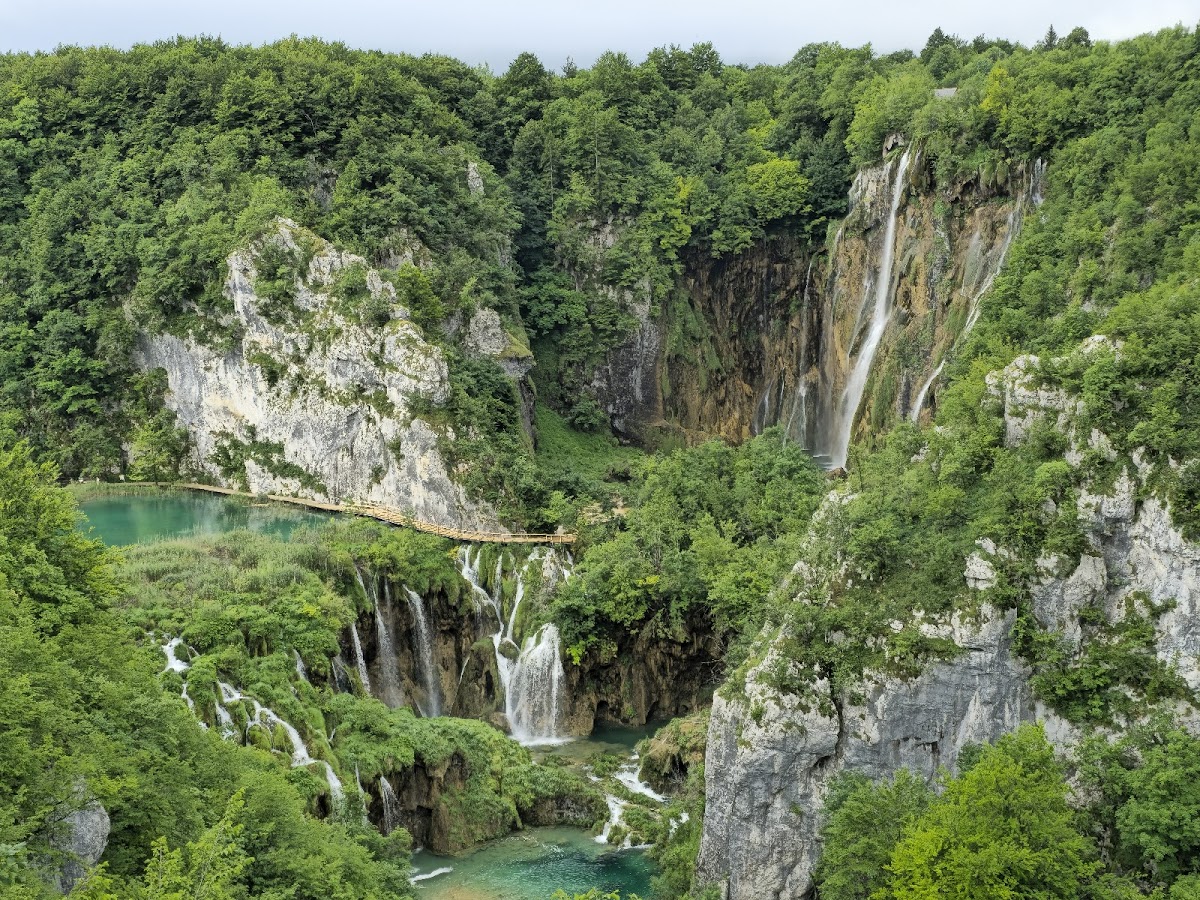
Entry Ticket Prices (2026)
| Season | Period | Adult | Child (7-17) | Student (ISIC) |
|---|---|---|---|---|
| Season A (Low) | Nov-Mar | €10 | €5 | €6 |
| Season B (Mid) | Apr-May, Oct | €23 | €8 | €10 |
| Season C (Peak) | Jun-Sep | €40 | €15 | €15 |
Children under 7 enter free year-round.
Other Park Costs
| Expense | Cost |
|---|---|
| Car parking | €7 per vehicle |
| Motorcycle parking | €1 |
| Sandwich/snack inside park | €5-€8 |
| Hot meal inside park | €12-€18 |
| Coffee/drink inside park | €2.50-€4 |
| Boat & panoramic train | Included with ticket |
Total Daily Budget Estimates (Per Person)
| Budget Level | Entry | Transport | Food | Accommodation | Daily Total |
|---|---|---|---|---|---|
| Ultra-Budget | €10 (winter) | €12 (bus) | €8 (packed lunch) | €0 (day trip) | ~€30 |
| Budget | €23 (shoulder) | €15 (bus) | €15 (mix) | €30 (hostel) | ~€83 |
| Mid-Range | €40 (summer) | €20 (car share) | €25 (restaurant) | €50 (guesthouse) | ~€135 |
| Comfortable | €40 (summer) | €35 (rental car) | €40 (full dining) | €80 (hotel) | ~€195 |
The biggest variable is timing. Visit in November instead of July and your entry ticket alone drops by 75%.
7 Ways to Save Money on Plitvice Lakes Entry Tickets
Entry is your single biggest park expense. Here's how to reduce it.
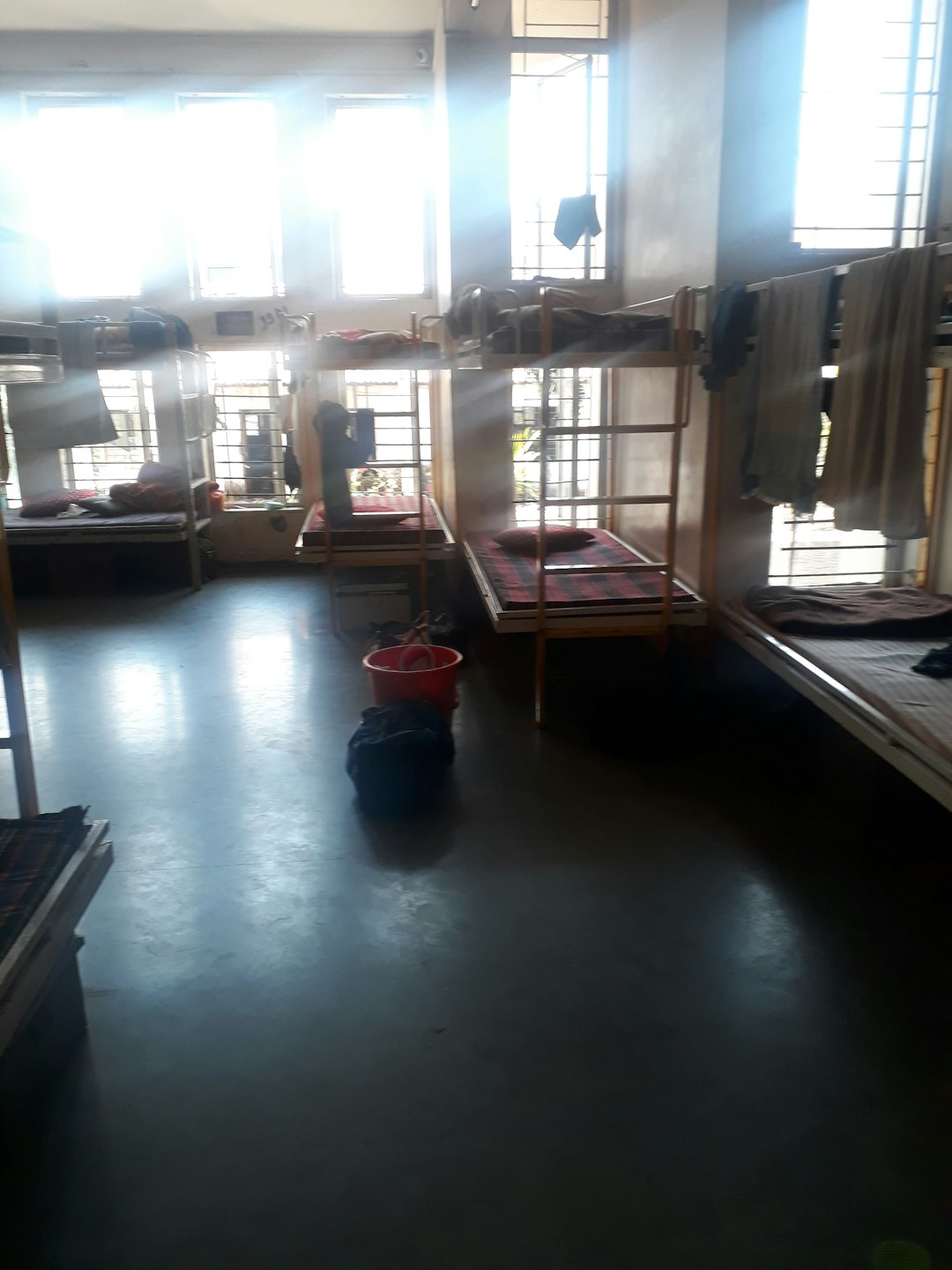
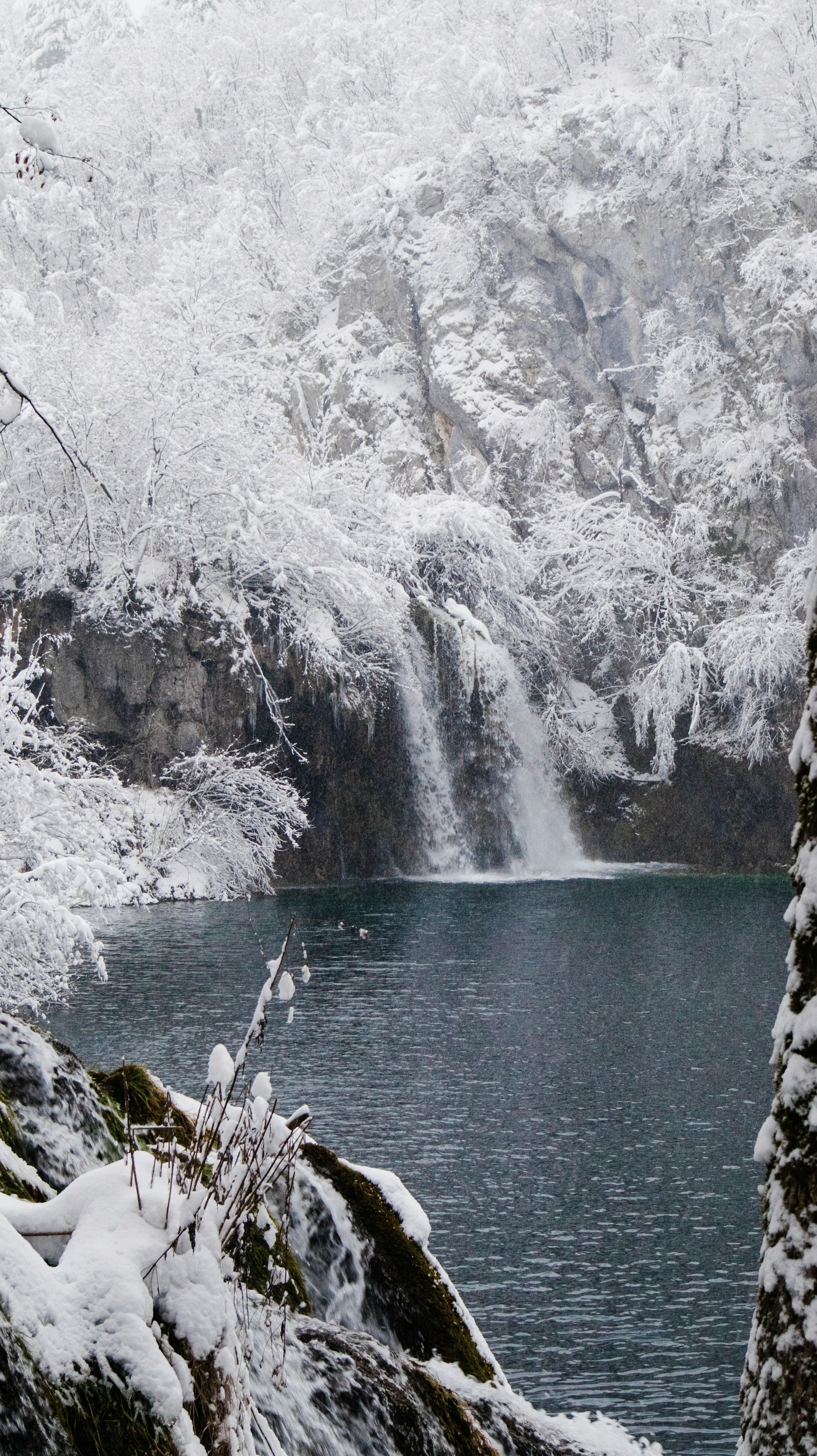
1. Visit in low season (November-March) — save up to €30. This is the simplest and most impactful money-saving move. Season A tickets cost €10 per adult compared to €40 in peak summer. That's a 75% discount. The park is open year-round, and winter Plitvice — with frozen waterfalls and snow-covered boardwalks — is genuinely spectacular in its own right.
2. Book tickets online in advance. While online tickets are the same price as the gate, booking ahead guarantees your timed entry slot and lets you skip the ticket queue entirely. In summer, tickets frequently sell out by mid-morning. Buying online means you won't waste a trip only to be turned away.
3. Use student discounts with a valid ISIC card. Students with an International Student Identity Card pay €6 in Season A, €10 in Season B, and €15 in Season C. That's a 40-63% discount depending on the season. Make sure your ISIC card is current and bring it to the gate.
4. Children under 7 enter free; ages 7-17 pay reduced rates. A family of four with two young children can enter for as little as €20 total in winter. Even in summer, children aged 7-17 pay €15 instead of the adult €40.
5. Buy a two-day ticket in summer. If you're visiting June through September and want to explore thoroughly, the two-day ticket costs €47 per adult — compared to €80 if you bought two separate single-day tickets. That's a 41% saving on your second day.
6. Enter after 4 PM for reduced summer pricing. During Season C, afternoon entry after 4 PM is available at a reduced rate. The park stays open until 8 PM in summer, giving you a solid four hours of evening light — often the most beautiful time in the park, with thinning crowds and golden-hour conditions.
7. Croatian residents get significant discounts. If you hold a Croatian ID card or residence permit, you qualify for resident pricing that's substantially lower than standard tourist rates. Check the official park website for current resident rates.
Budget Accommodation Near Plitvice Lakes
There are no hotels inside the park itself, but the surrounding villages offer accommodation at every price point. The key is knowing where to look.
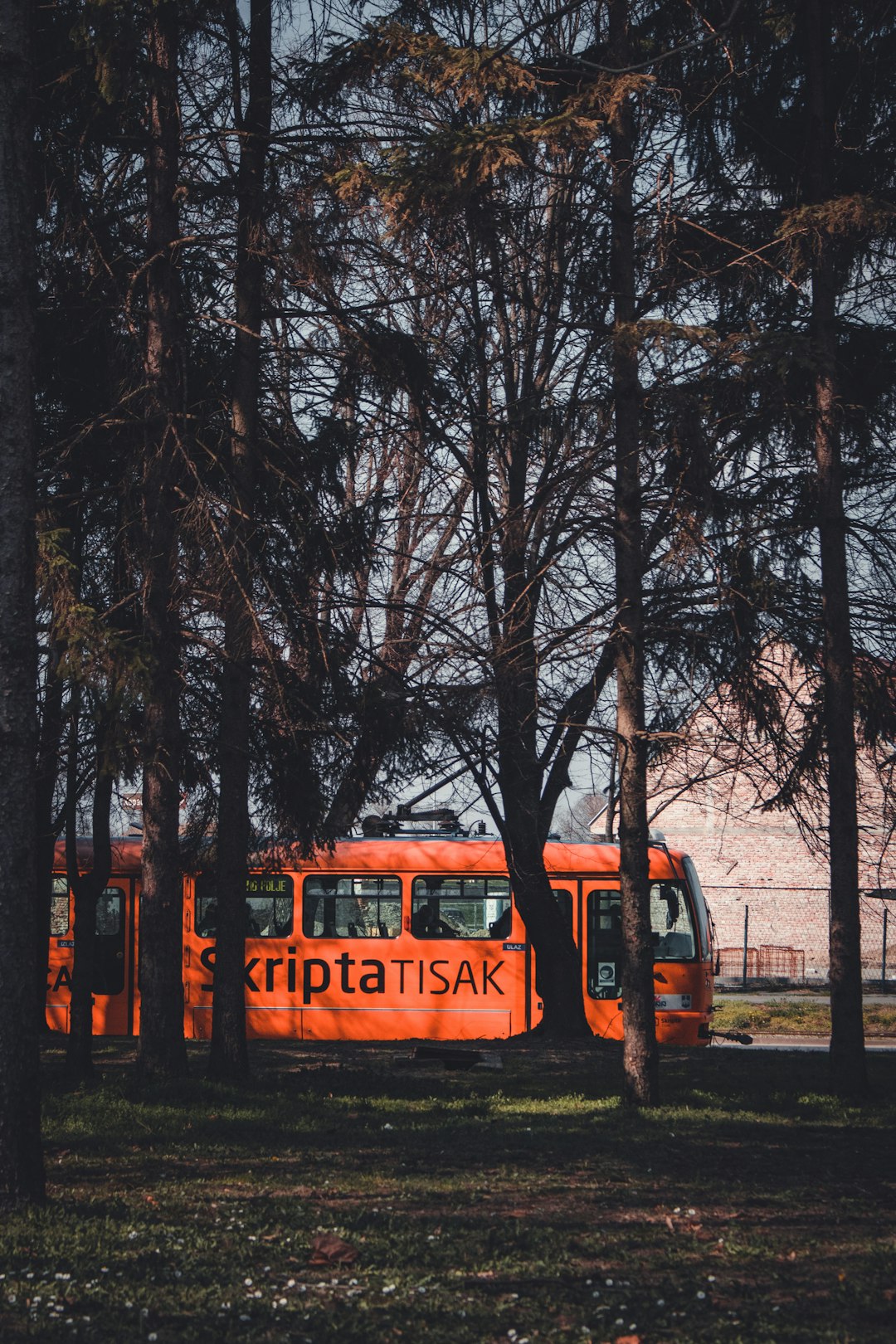
Hostels & Budget Stays (€15-€35/night)
The village of Mukinje, just 3 km from Entrance 2, has several budget-friendly options with dorm beds starting around €15-€20 per person. Jezerce, directly adjacent to the park, also has affordable guesthouses. Expect basic but clean rooms, shared bathrooms in hostels, and a quiet rural atmosphere. At this price range you get a bed, Wi-Fi, and often a simple breakfast — everything a budget traveler needs.
Private Rooms & Guesthouses (€35-€60/night)
The best value for most budget travelers is a sobe (private room) in a local village. Croatian families throughout the Plitvice area rent out rooms in their homes, and the quality is typically excellent — clean private rooms with en-suite bathrooms, often with homemade breakfast included. The villages of Rastovaca, Seliste Dreznicko, and Mukinje all have plenty of options. Book through Booking.com for the widest selection and verified reviews. Expect to pay €35-€50 for a double room in shoulder season, rising to €50-€60 in July and August.
Camping (€10-€20/night)
For the lowest accommodation costs, camping is hard to beat. Camp Korana, located in Seliste Dreznicko about 7 km from the park, offers tent pitches from €10-€15 per person per night with access to showers, toilets, and a small shop. Camping Plitvice near Grabovac is another option at similar prices. Both campgrounds operate roughly from April through October. You'll need your own tent and sleeping gear, but the savings are substantial — and falling asleep to the sound of the Korana River is a genuine perk.
Money-Saving Accommodation Tips
- Book 2-3 months ahead for summer visits. The best budget options sell out fast between June and August. Early booking gives you the widest selection at the lowest prices.
- Stay in Slunj (20 minutes north) for 30% cheaper rooms. Slunj is a lovely small town with its own waterfall attraction (Rastoke) and accommodation that's consistently cheaper than the villages immediately adjacent to the park.
- Use Airbnb for groups. If you're traveling with 3-4 people, renting an entire apartment often works out cheaper per person than individual guesthouse rooms. Apartments in Korenica or Rakovica start around €45-€60 total per night.
Getting to Plitvice on a Budget
Plitvice Lakes sits roughly in the center of Croatia, midway between Zagreb and the Dalmatian coast. Getting there on a budget is straightforward.
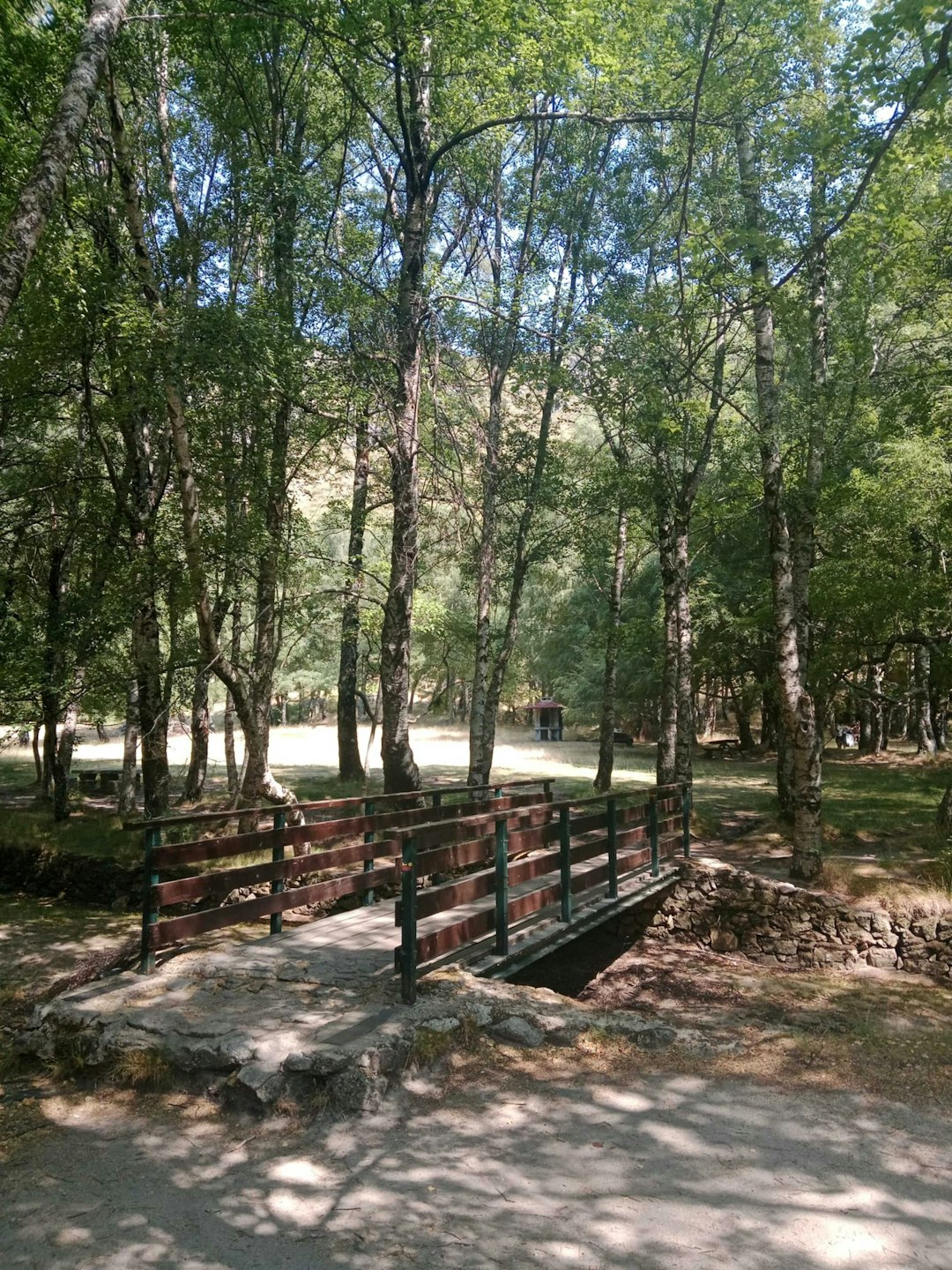
Bus from Zagreb (€12-€18 one-way, 2-2.5 hours)
The most popular budget option. FlixBus and Croatia Bus both run multiple daily services from Zagreb's main bus station directly to Plitvice Lakes (the bus stops right at the park entrance). Book on FlixBus for the cheapest fares — early booking can get you tickets for €12-€13. Buses depart from 7:00 AM onwards, with the earliest arrivals reaching Plitvice by 9:30 AM. Book the earliest bus to maximize your park time.
Bus from Split (€20-€30 one-way, 4-5 hours)
Several daily buses connect Split to Plitvice, though the journey is longer. FlixBus typically offers the best prices at €20-€25 if booked in advance. Some services require a transfer in Knin or Zagreb. An early-morning departure from Split gets you to Plitvice by midday — tight for a full visit, so an overnight stay near the park is strongly recommended if coming from Split.
Bus from Zadar (€12-€18 one-way, 2 hours)
Zadar is one of the closest coastal cities to Plitvice, making it an excellent base for a budget day trip. Buses take approximately 2 hours, and fares are comparable to the Zagreb route. Departures are less frequent than from Zagreb, so check timetables carefully and book in advance.
Renting a Car (Split the Costs)
A rental car from Zagreb costs roughly €30-€50 per day including insurance. Split between 2-4 travelers, that's €8-€25 per person — competitive with bus fares and far more flexible. You can arrive at park opening (a huge advantage for avoiding crowds), stop at Rastoke on the way, and explore the surrounding area at your own pace. One money-saving tip: free informal parking exists along the D1 road near the park entrances. Locals and regular visitors park along the roadside before the official lots to avoid the €7 parking fee — just make sure you're not blocking traffic or parking illegally.
Organized Day Trips
From Zagreb, organized day trips run €50-€70 per person including transport and park entry. From Split or Zadar, expect €65-€90. Are they worth it for budget travelers? Generally no — you can undercut these prices significantly by taking the bus and buying your own ticket. The main advantage of organized tours is convenience and a guide, but the cost premium is 30-50% over DIY. The exception: if you're a solo traveler without a car, the per-person math is closer, and the convenience may justify the premium.
Eating on a Budget at Plitvice
Food is the expense most easily controlled — and the one where overspending sneaks up on you.
Pack your own lunch. This is the single best money-saving tip for Plitvice. There's no rule against bringing food into the park, and a packed lunch of bread, cheese, cured meat, and fruit from a grocery store costs €3-€5 total. Eat at one of the benches scattered along the trails with a waterfall view — it's a better dining experience than any cafeteria.
What food costs inside the park. The park has a handful of cafeterias and snack stands, but choices are limited and prices are captive-audience level. Sandwiches run €5-€8, basic grilled meals €12-€18, and a coffee or soft drink €2.50-€4. The food is acceptable but unremarkable. If you do eat inside the park, stick to simple items — a sandwich and a coffee will cost you about €8.
Restaurants outside the park. For a proper sit-down meal, the restaurants in surrounding villages offer much better value. Licka Kuca, the traditional restaurant near Entrance 1, serves hearty regional cuisine with mains from €10-€18 — it's touristy but the lamb dishes are genuinely good. Smaller family restaurants in Mukinje, Jezerce, and along the road to Korenica serve home-style Croatian meals for €8-€15. Look for places where locals eat and you'll find generous portions at fair prices.
Stock up at Konzum. The Konzum supermarket in Korenica (15 minutes south of the park by car) is the nearest proper grocery store. Stock up here for picnic supplies, snacks, and water. A full day's food purchased at Konzum will cost you €5-€8 per person. There's also a smaller shop in Mukinje for basic supplies.
Affordable traditional dishes to try. Croatian mountain cuisine is hearty and budget-friendly. Look for strukli (baked cheese pastry, €4-€6), cevapi (grilled meat sausages with bread, €6-€8), or grah (bean stew, €5-€7). These dishes are filling, traditional, and easy on the wallet.
Sample Budget Itineraries
Ultra-Budget Day Trip from Zagreb: ~€45/person
| Expense | Cost |
|---|---|
| FlixBus Zagreb to Plitvice (return) | €26 |
| Park entry (Season B, shoulder) | €10-€23 |
| Packed lunch & snacks | €5 |
| Coffee at park | €3 |
| Total | €44-€57 |
Catch the 7:00 AM FlixBus from Zagreb, arrive by 9:30 AM. Spend 5-6 hours in the park. Take the 4:00 PM or 5:30 PM bus back. Visit in winter for the €10 entry and your total drops to €44. Visit in shoulder season at €23 and you're still under €60.
Comfortable Budget Overnight: ~€90/person
| Expense | Cost |
|---|---|
| FlixBus from Zagreb (return) | €26 |
| Park entry (Season B) | €23 |
| One night in guesthouse (double room, per person) | €20-€25 |
| Packed lunch in park | €5 |
| Dinner at local restaurant | €12 |
| Breakfast (included or purchased) | €0-€4 |
| Total | €86-€95 |
Arrive the evening before, stay in a guesthouse in Mukinje or Rastovaca, and enter the park at opening. You'll beat the day-trippers by two hours and experience the park at its quietest and most beautiful.
Budget Two-Day Visit: ~€120/person
| Expense | Cost |
|---|---|
| Bus or car share transport (return) | €20-€30 |
| Two-day park ticket (Season C) | €47 |
| Two nights in hostel/camping (per person) | €30-€40 |
| Packed lunches (2 days) | €8 |
| Dinner at local restaurants (2 evenings) | €20 |
| Total | €125-€145 |
Two days lets you explore the Lower Lakes and Upper Lakes separately without rushing. Spend morning and late afternoon in the park — take a midday break when crowds peak. This is the best way to see the entire park thoroughly, and the two-day ticket makes it remarkably affordable even in peak summer.
Free Things to Do Near Plitvice Lakes
Some of the best experiences near Plitvice cost nothing at all.
- Rastoke village — the "mini Plitvice." This stunning watermill village in Slunj, where the Slunjcica River cascades over travertine formations into the Korana, is free to walk around and photograph. It's a genuine highlight and a perfect stop on the drive to or from the park.
- Barac Caves. Located 12 km northeast of the park, these atmospheric limestone caves offer guided tours for just €8. Not free, but an excellent low-cost addition to a Plitvice trip.
- Korana River swimming spots. In summer, locals swim in the Korana River at various spots downstream from the park. The water is refreshing and the setting is beautiful — and it costs nothing.
- Hiking outside the park. The hills and forests surrounding Plitvice have unmarked but well-trodden trails that are free to explore. The area around Barac Caves and the hills above Seliste Dreznicko offer pleasant walks with views over the Korana valley.
Frequently Asked Questions
Is Plitvice Lakes worth the money?
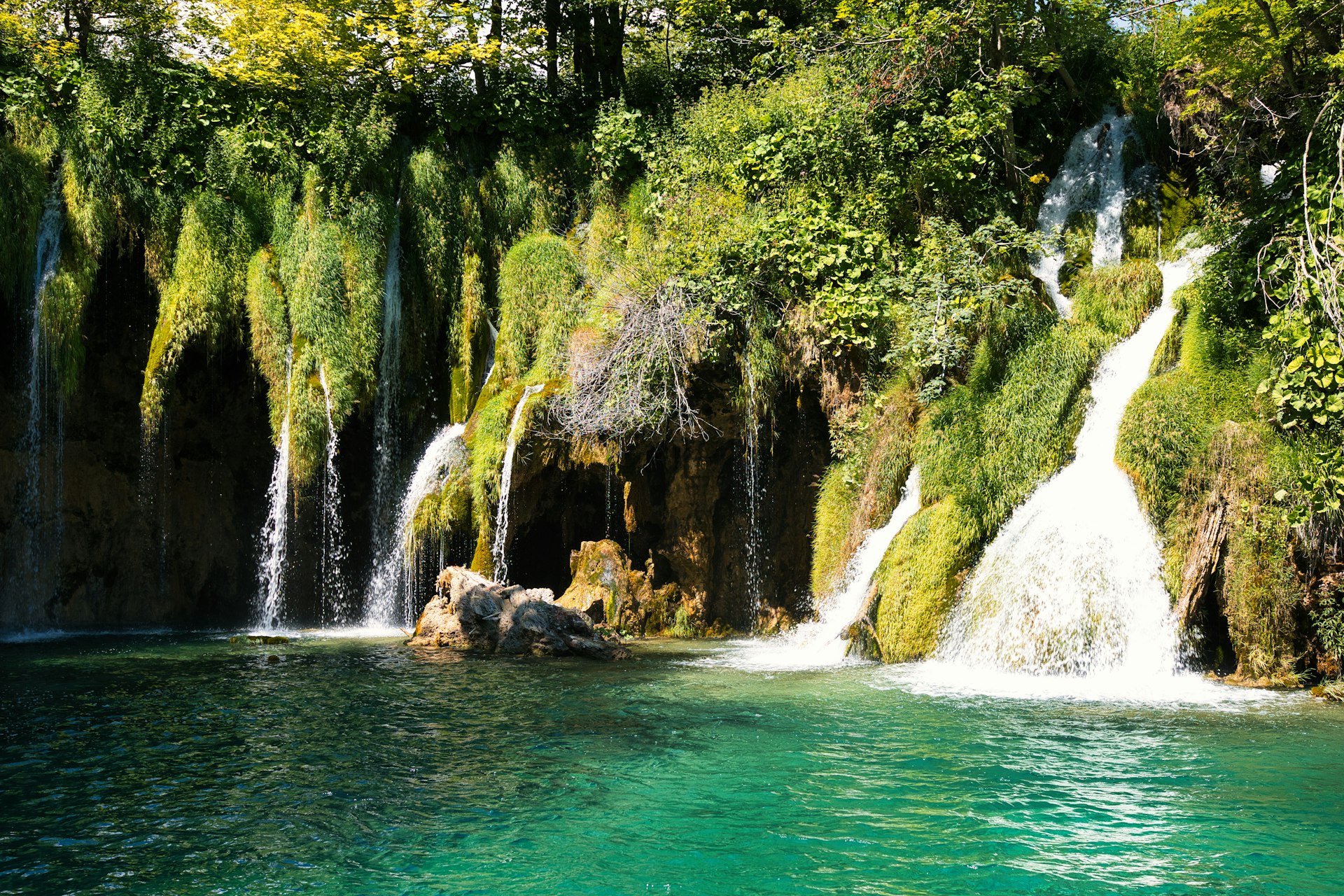
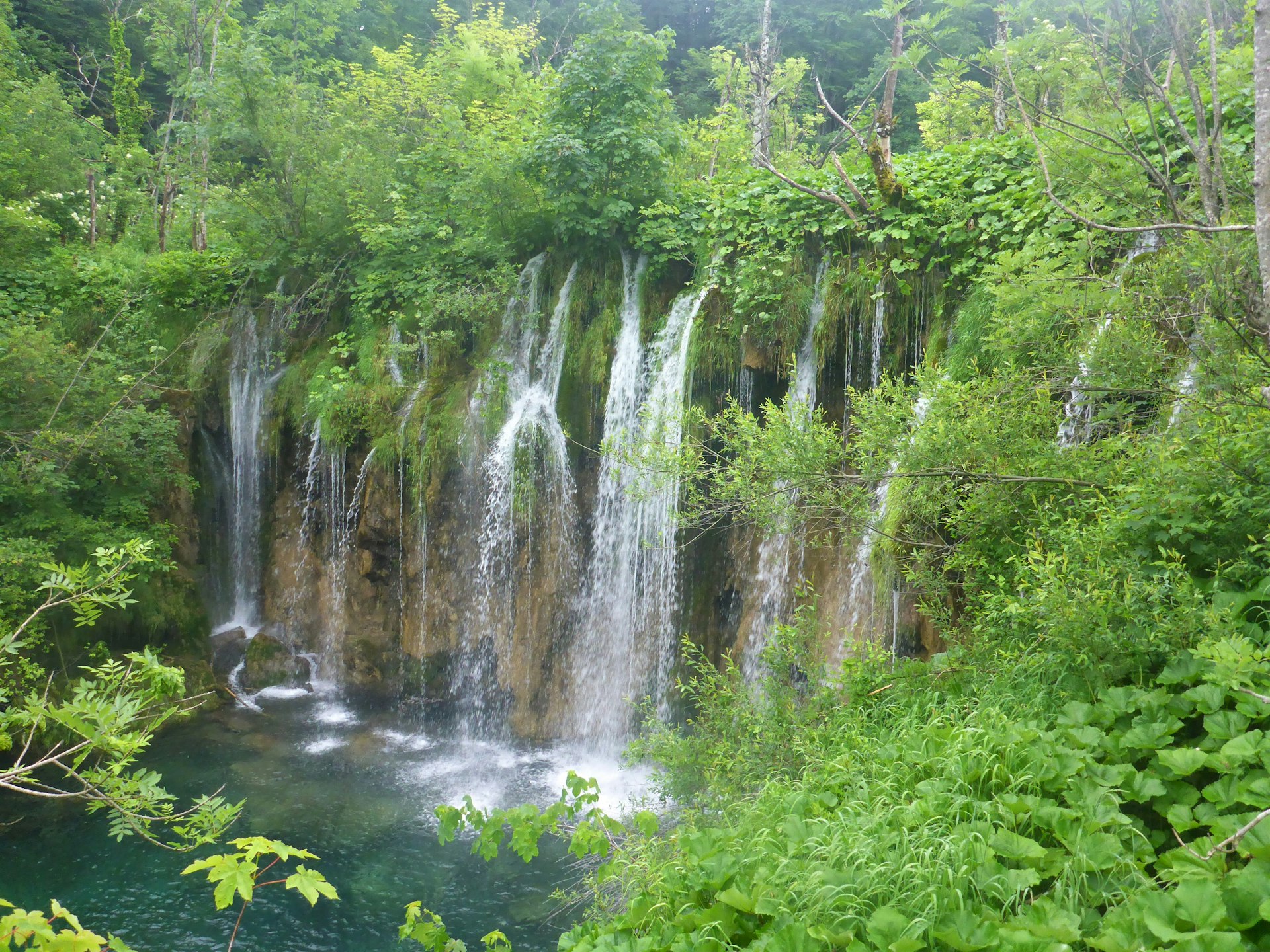
Yes — even at the peak €40 ticket price, Plitvice is one of Europe's most extraordinary natural sites and justifiably a UNESCO World Heritage listing. The combination of 16 interconnected lakes, 90+ waterfalls, and pristine forest is unmatched. Visit in shoulder or low season and the value becomes even more compelling.
Can you visit Plitvice Lakes for free?
No. There is no free entry to the national park, and no way to access the lakes and boardwalks without a valid ticket. However, the surrounding area — including Rastoke village, the Korana River, and local hiking trails — is free to explore and genuinely worth visiting.
How much should I budget for a day at Plitvice?
For a budget day trip: €40-€60 per person (transport, entry, packed food). For a comfortable visit with an overnight stay: €85-€120. For a full two-day experience: €120-€150. These figures assume shoulder-season pricing — add 30-40% for peak summer.
Is the two-day ticket worth it?
If you're visiting in summer (June-September), absolutely. At €47 for two days versus €40 for one, your second full day costs just €7. You can explore the Lower and Upper Lakes separately, arrive early both mornings for the best conditions, and experience the park without any rush. It's the best value ticket the park offers.
Are there cheaper alternatives to Plitvice Lakes?
The Krka National Park near Sibenik costs €15-€35 depending on season and includes a swimming area (which Plitvice does not). Rastoke village in Slunj is free and offers a mini Plitvice experience. The Korana River has beautiful natural pools. None of these match Plitvice's scale, but they're worthwhile additions to a Croatia itinerary and much easier on the budget.
What's the cheapest month to visit Plitvice Lakes?
January and February are the cheapest overall. Entry is just €10, accommodation is at its annual low (30-50% cheaper than summer rates), and you'll have the park nearly to yourself. The trade-off is cold weather, short days, and limited trail access — but the frozen waterfalls and snow-covered landscapes are uniquely beautiful.